Buenos Aires
The final stop in our South American tour was Buenos Aires. While I’d visited Argentina years ago, I’d never had a chance to visit the Argentinian capital. I honestly had no idea what to expect of this sprawling metropolis, and I appreciated that we had 5 days to explore (and still only scratch the surface). It is a city that wears many faces—in its vastly different barrios (neighbourhoods) from European-style architecture to colourful, brightly-painted houses, in its passions from being the birthplace of tango to its fanatical love for fútbol.
Recoleta
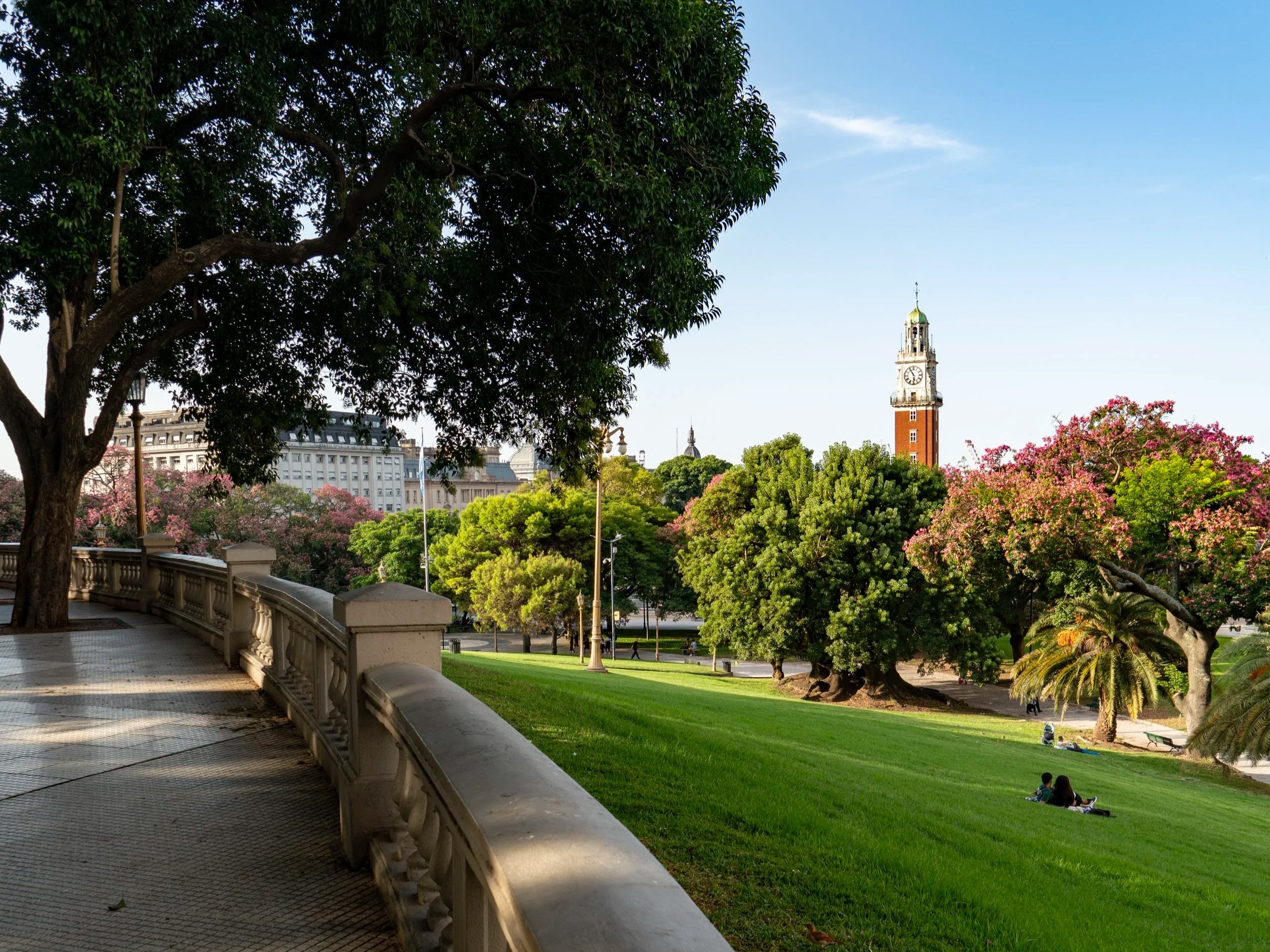
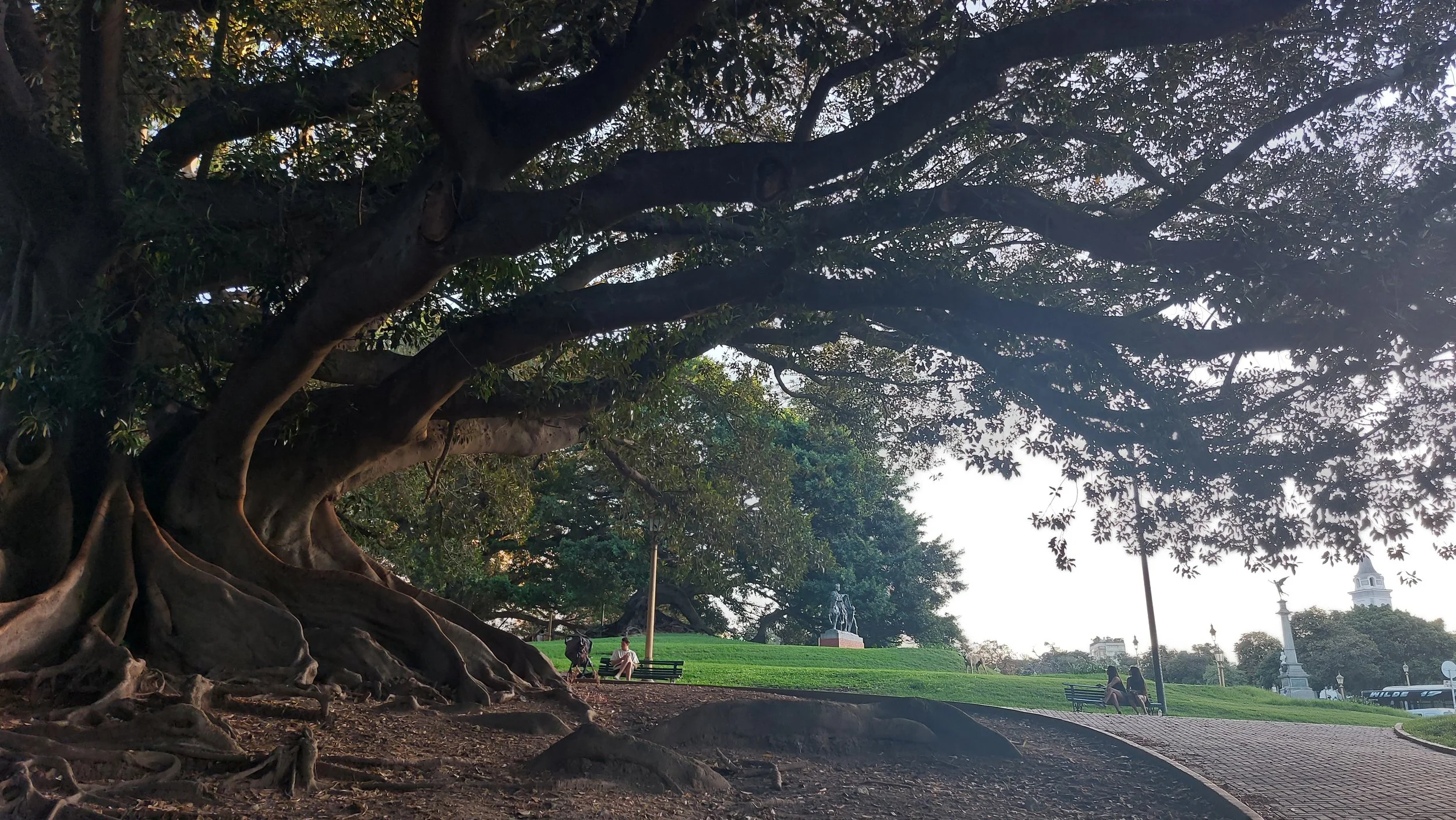
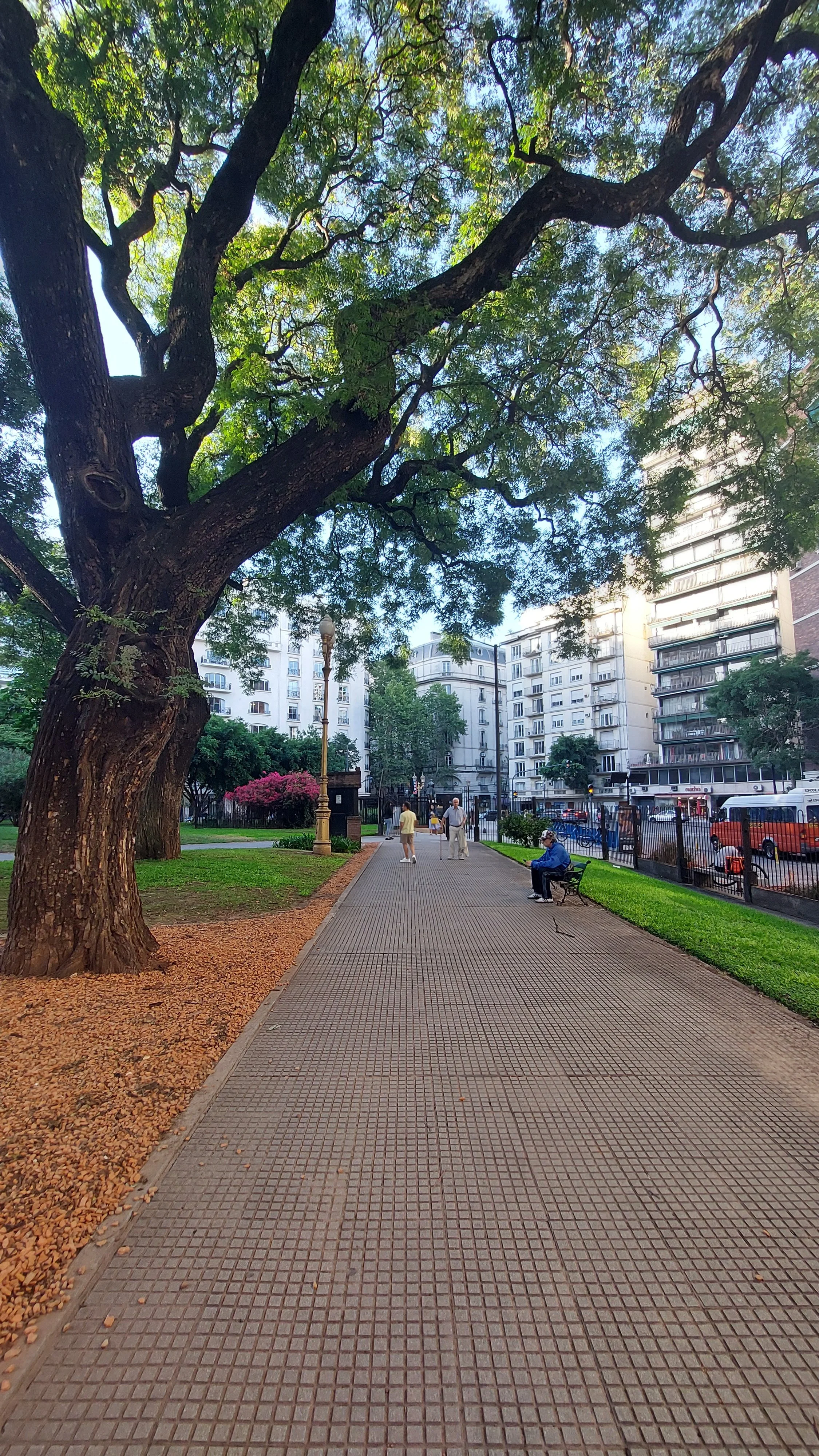
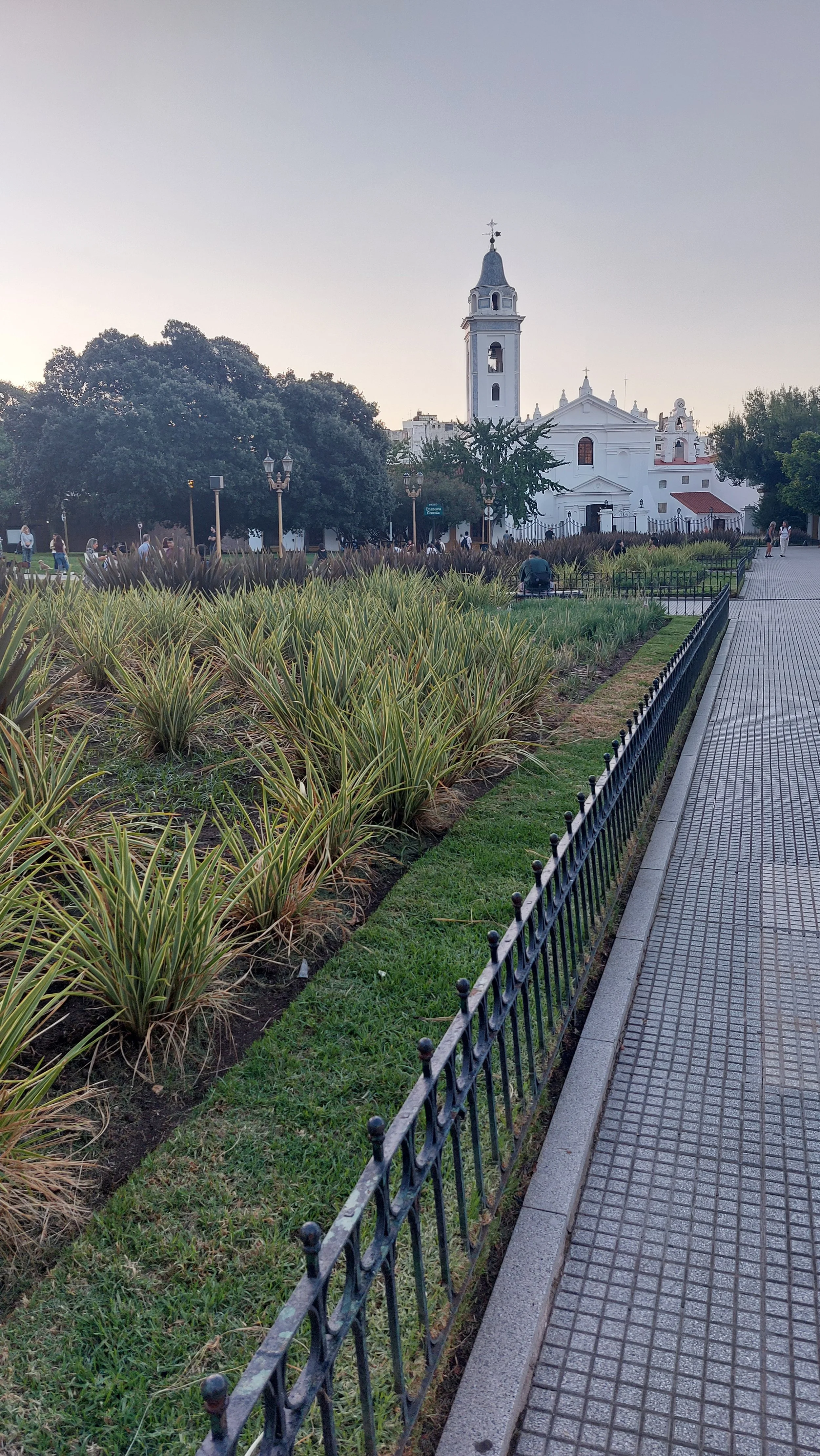
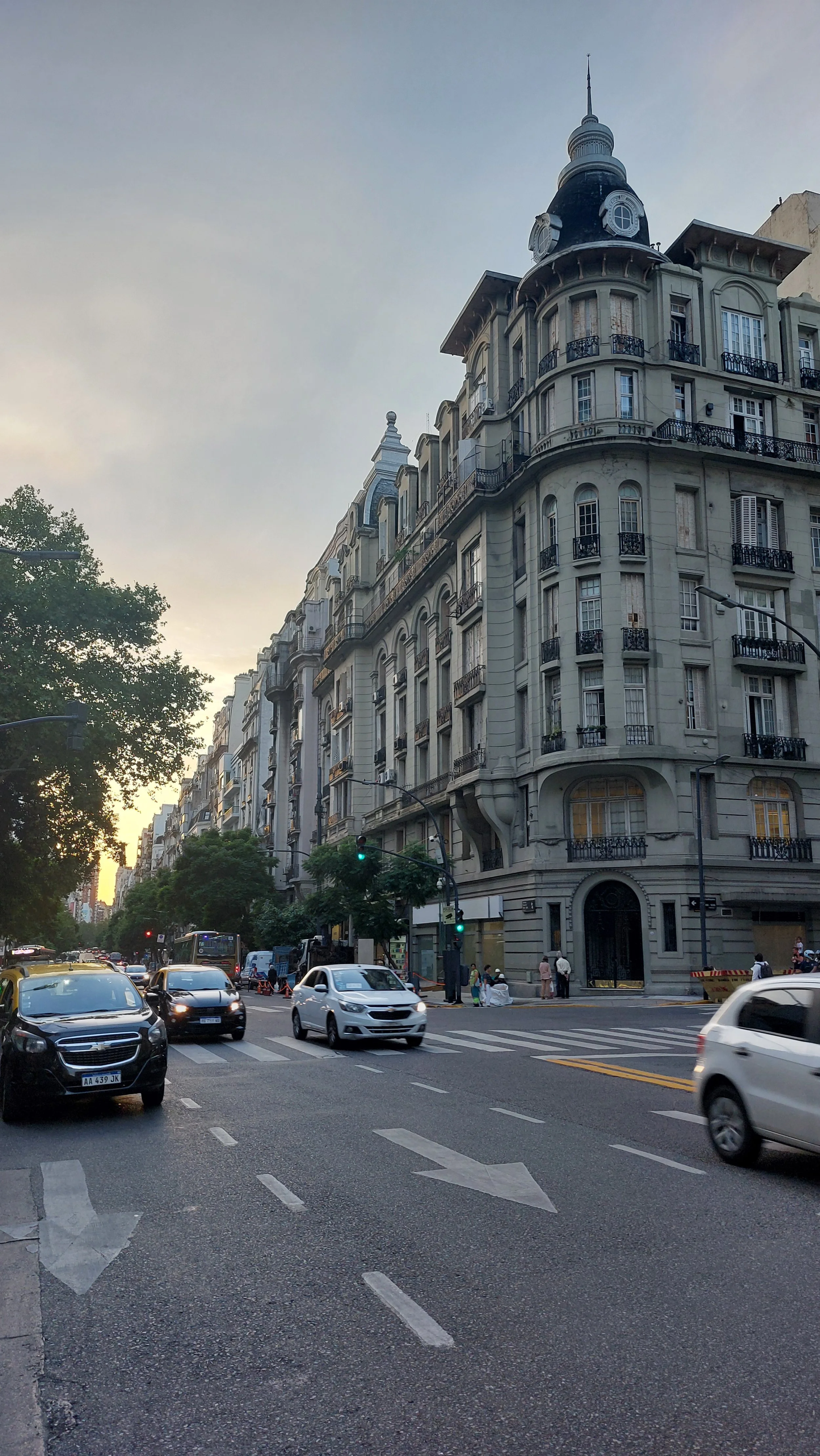
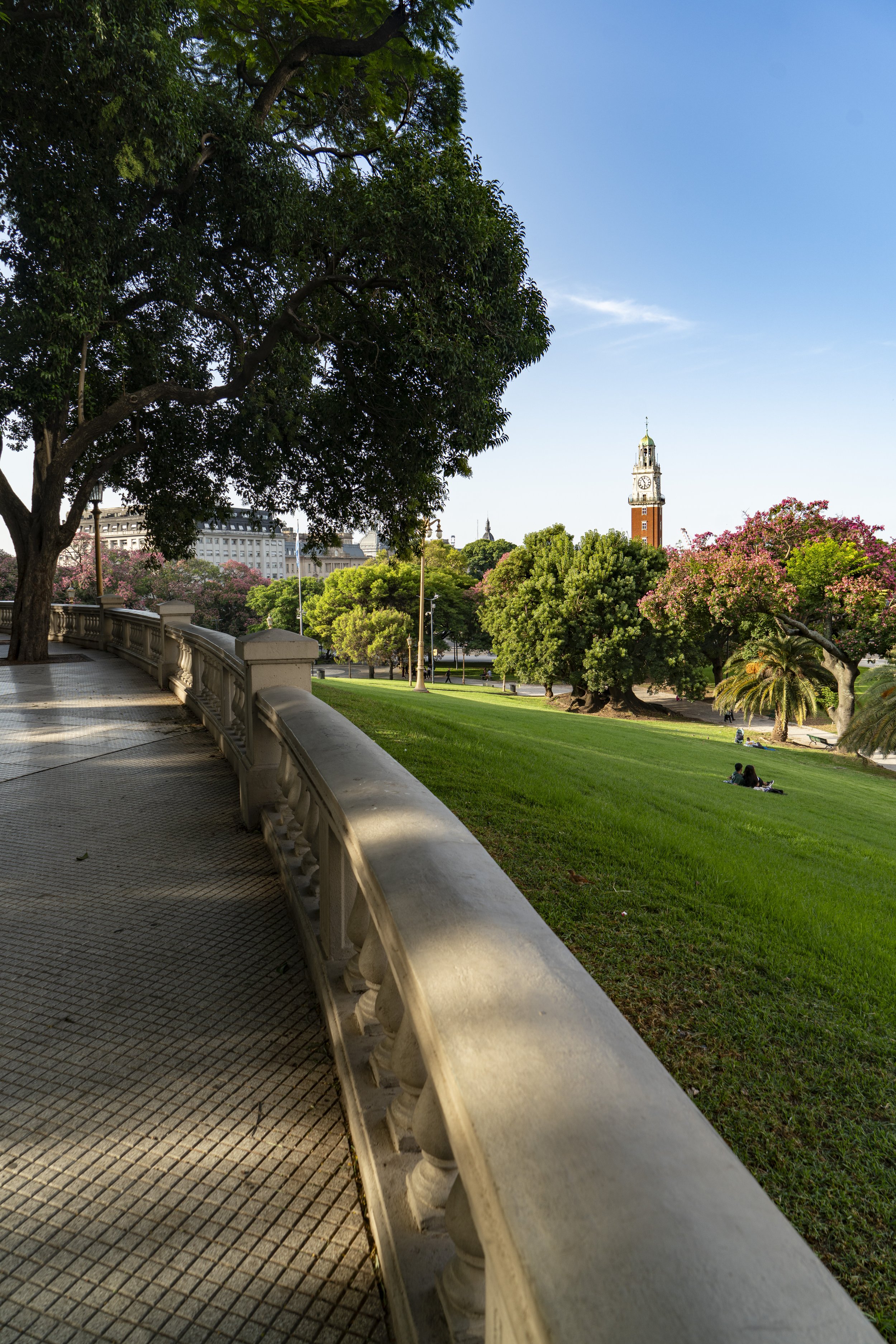
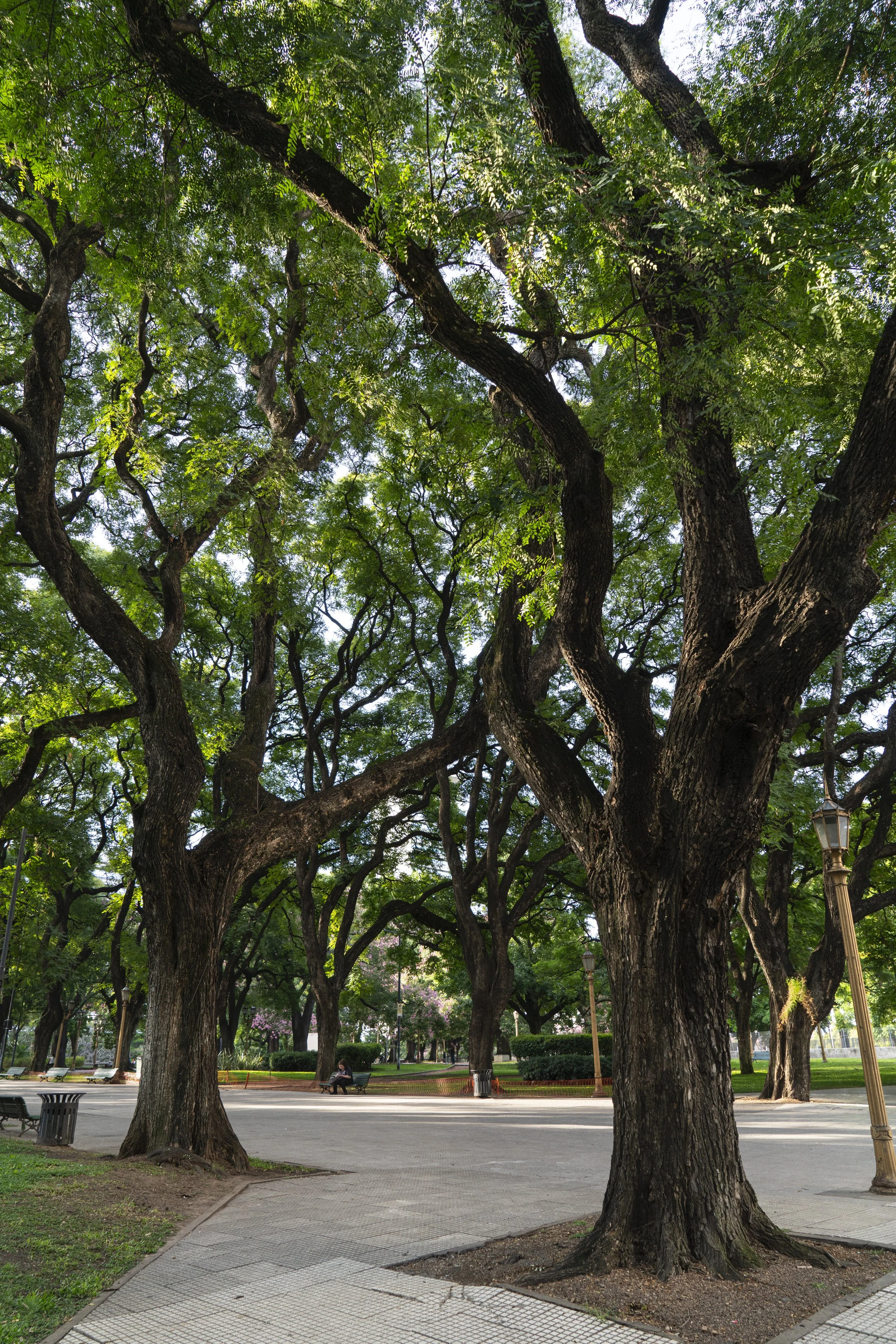
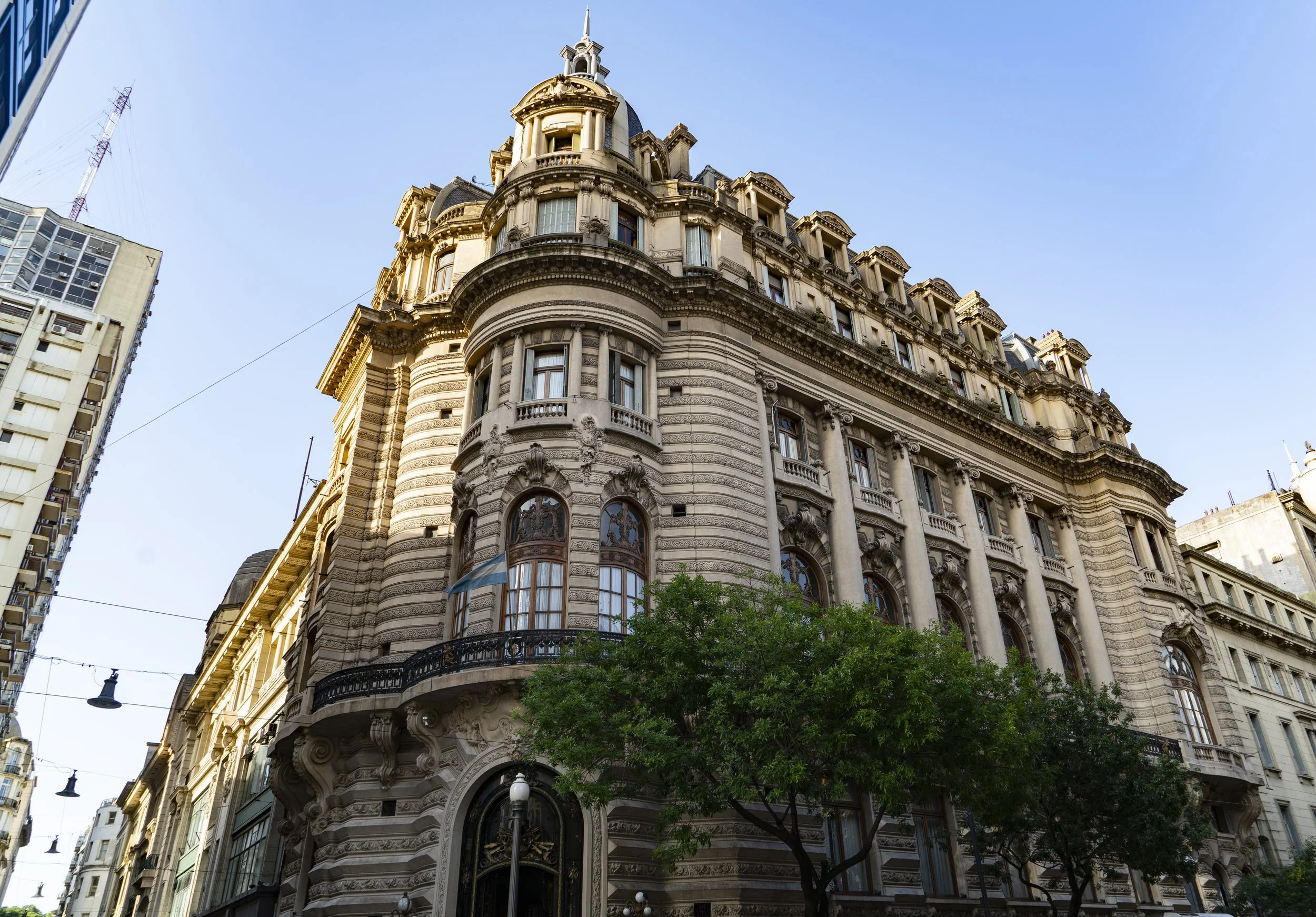
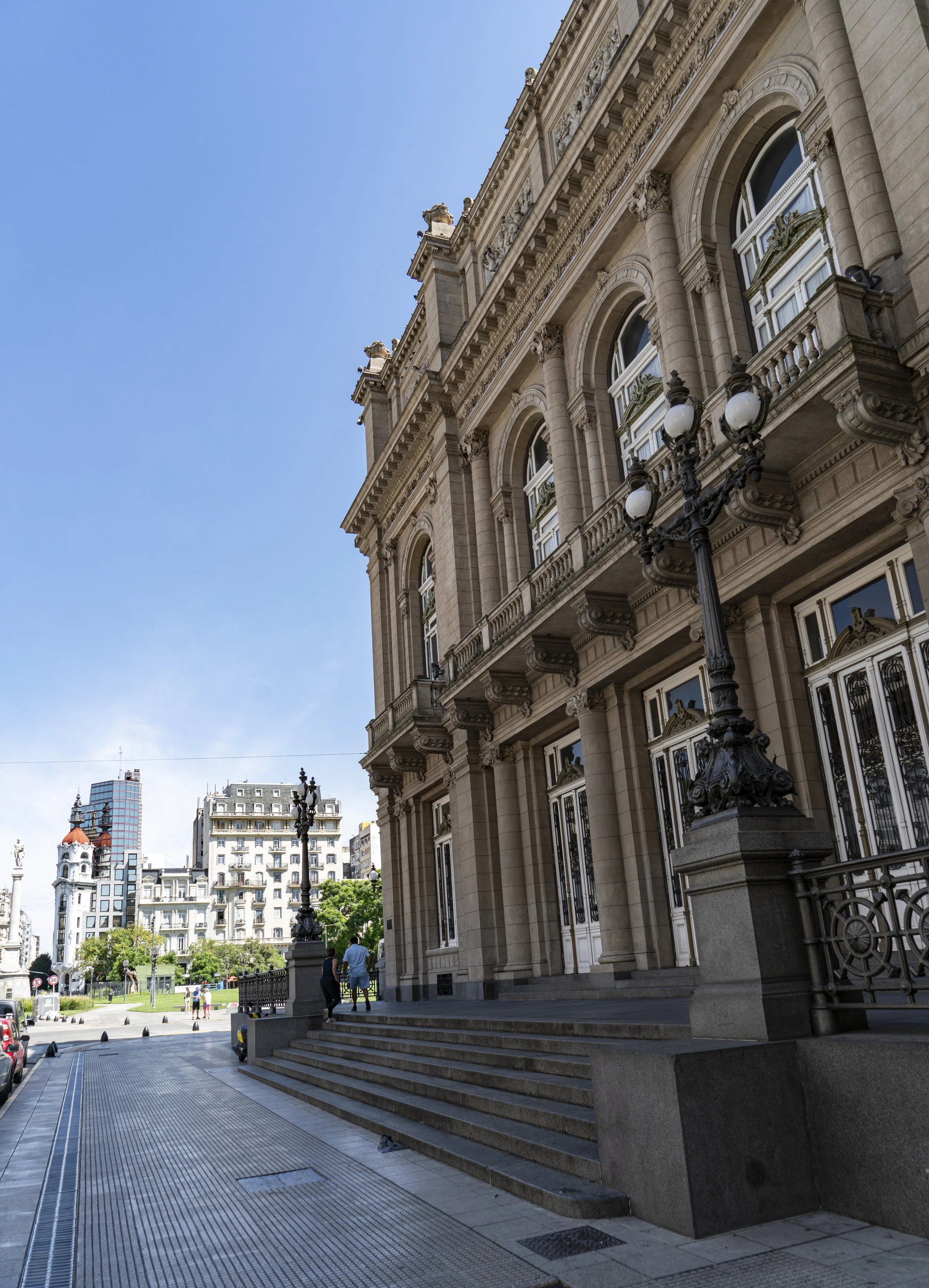
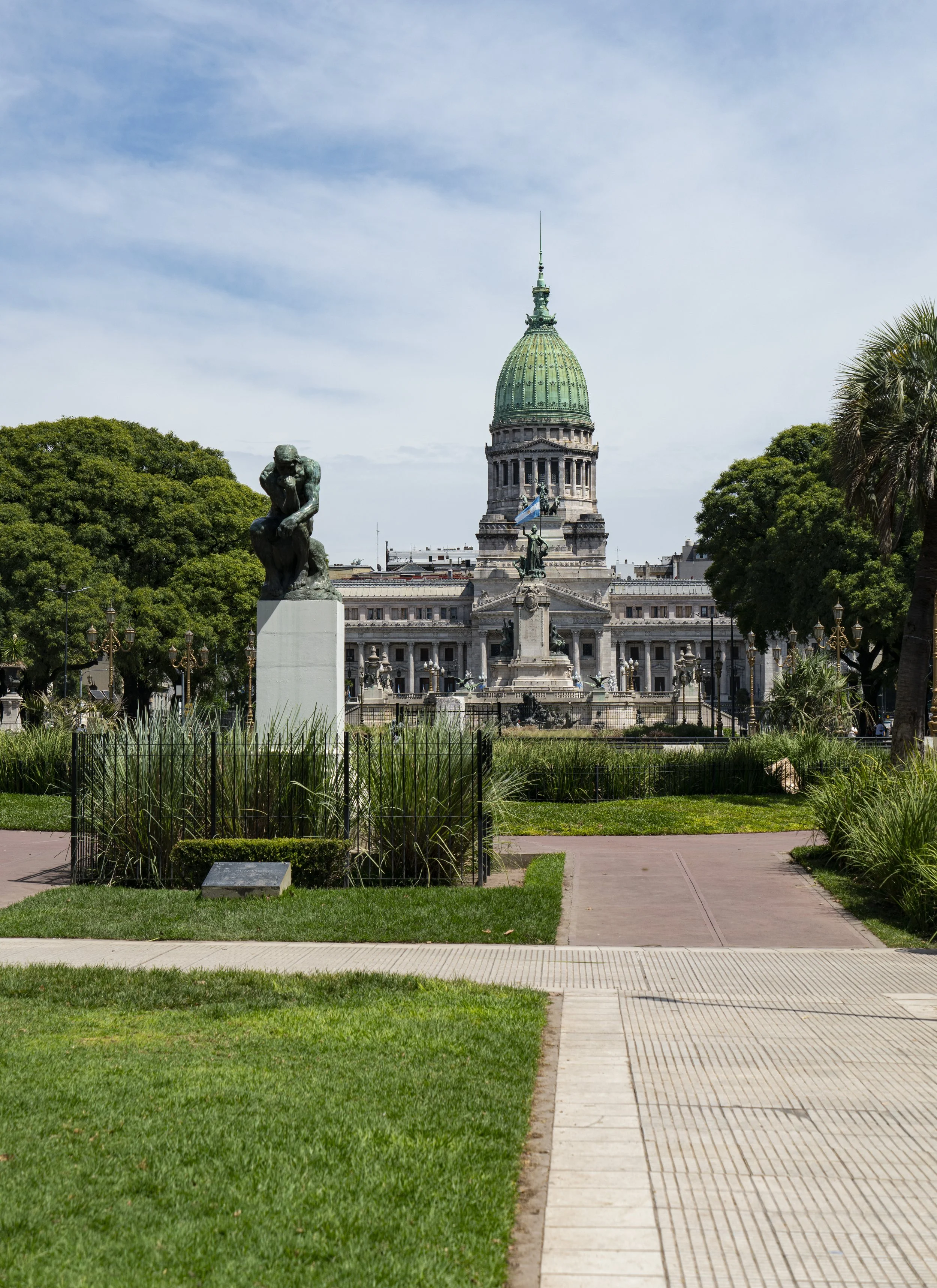
Buenos Aires has been touted to be the “Paris of South America”, and I can heartily concur it deserves its moniker. Our first introduction to the city was Recoleta, a wealthy barrio in the north of the city, where we stayed in our spacious AirBnB loft. We spent our first afternoon exploring the area, and it really felt like I could have been walking down a street in Paris—with its broad, leafy boulevards and ornate, Belle Epoque architecture. We wandered our way past numerous bakeries and cafes, and through parks with absolutely massive trees.
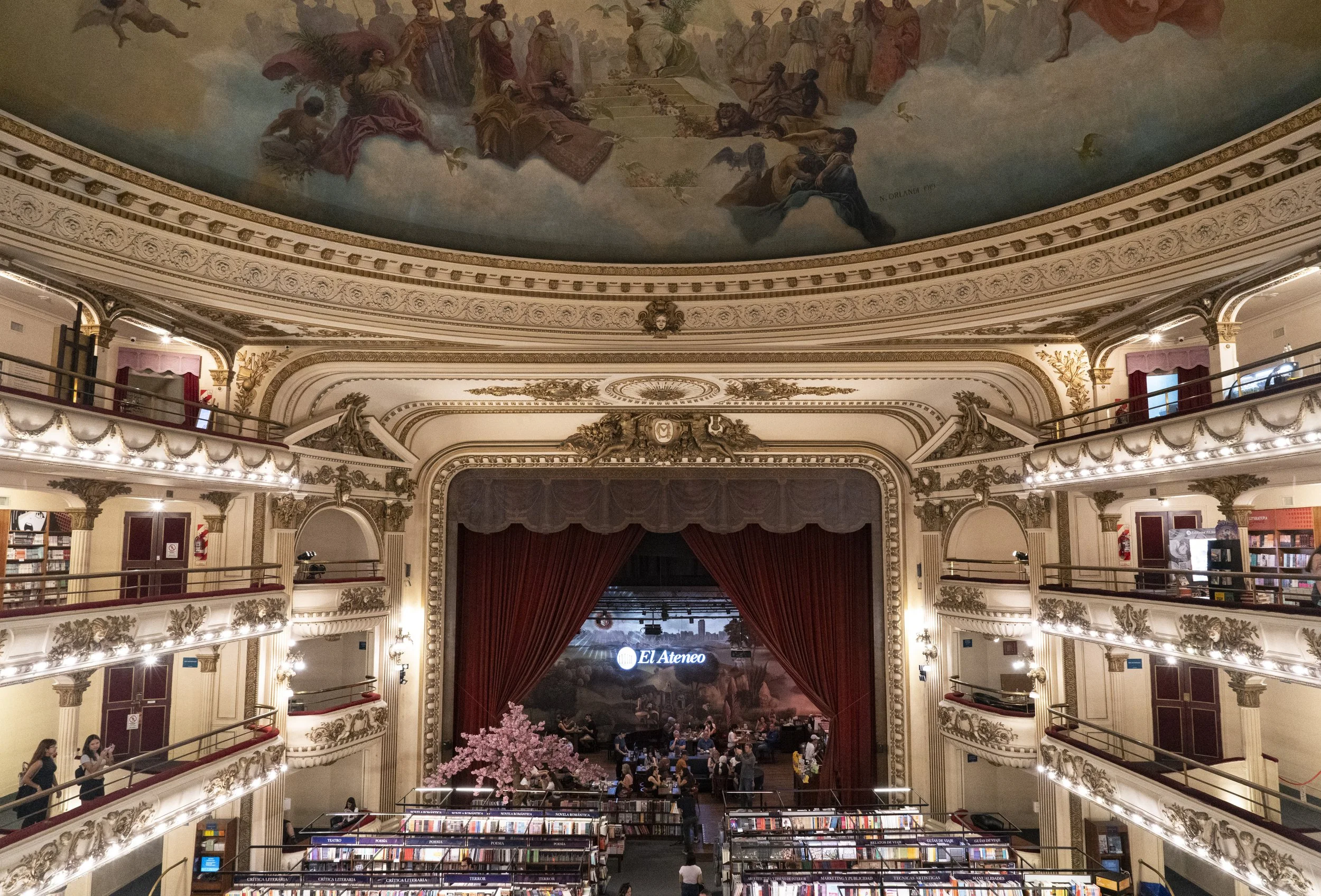
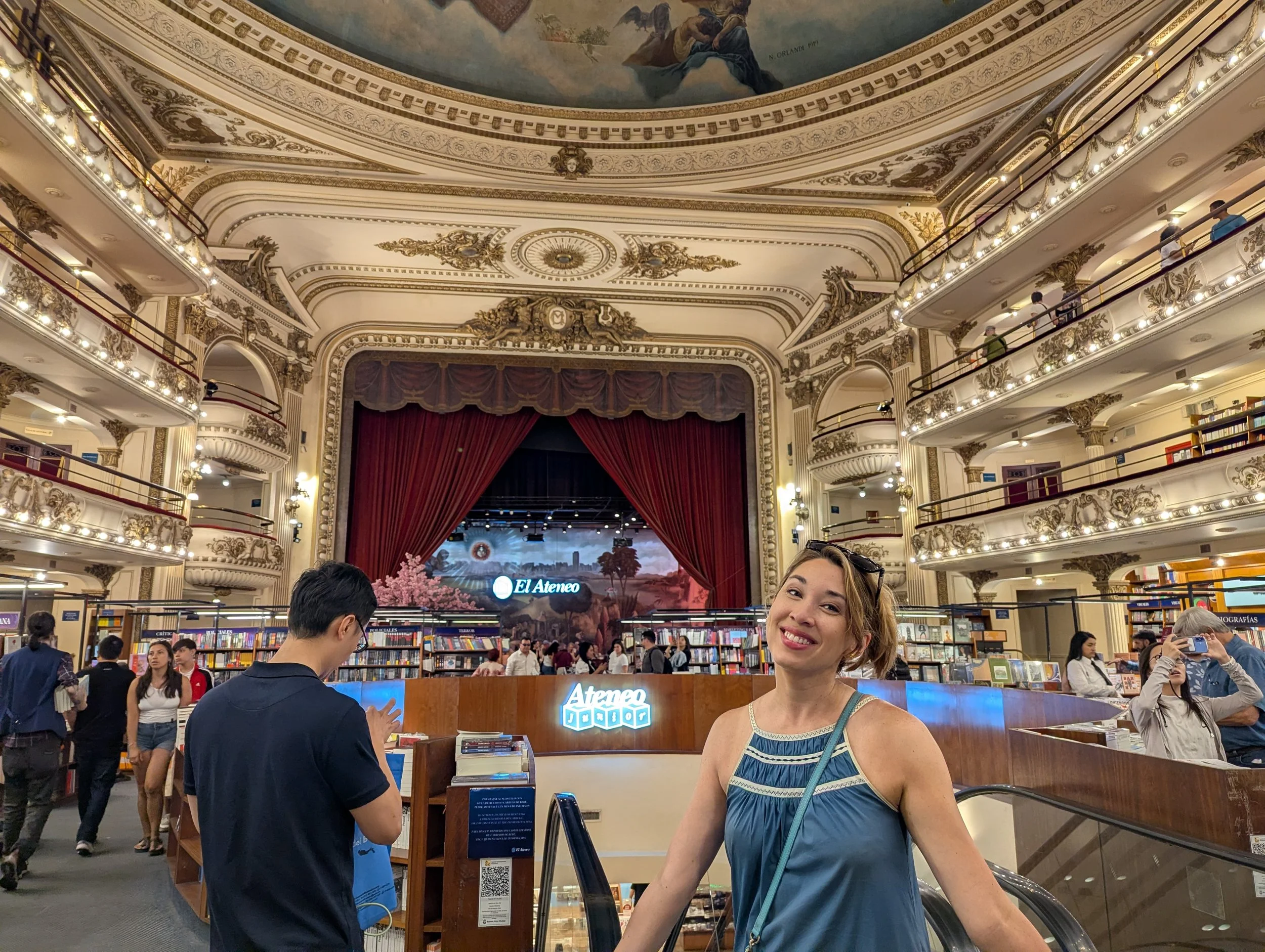
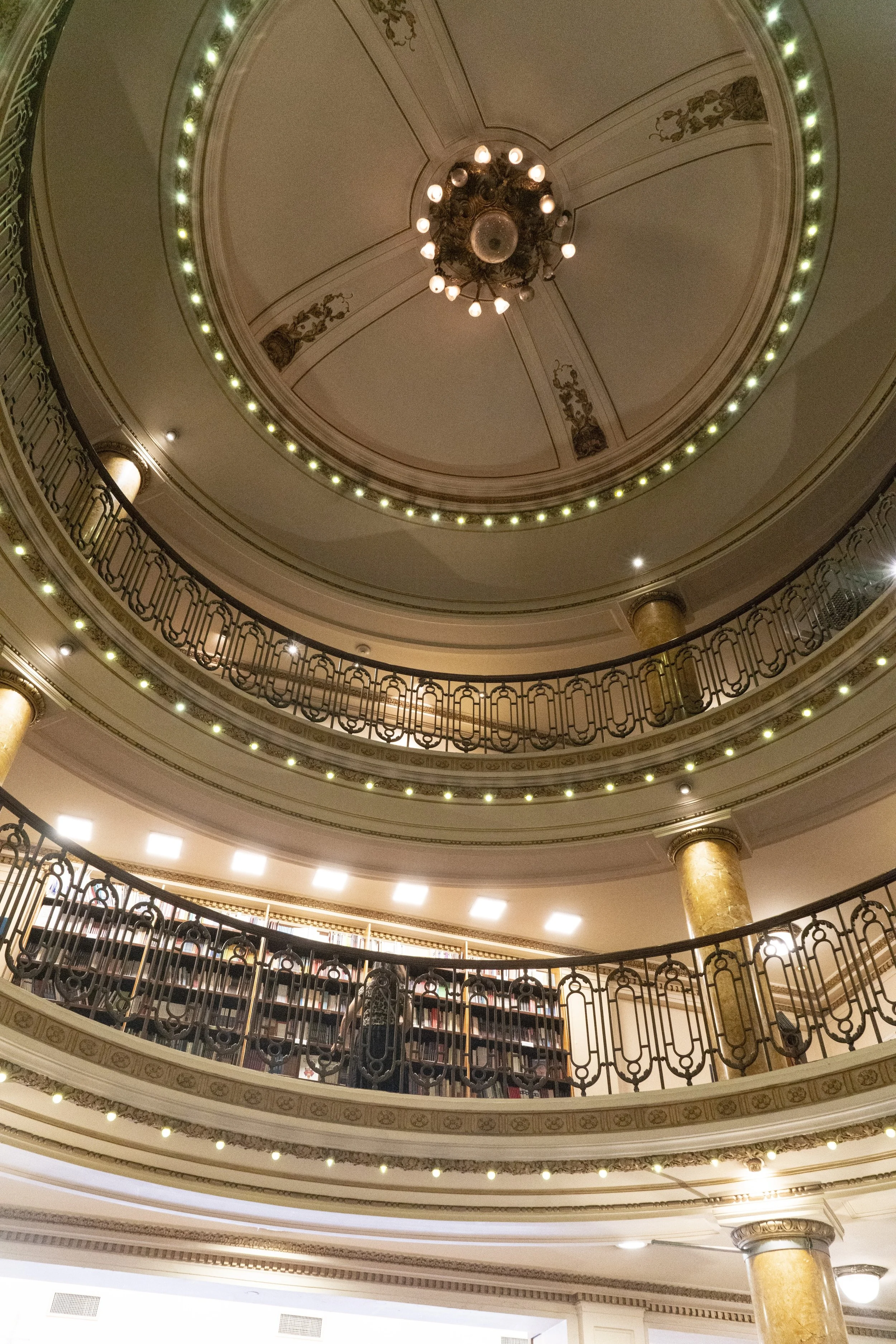
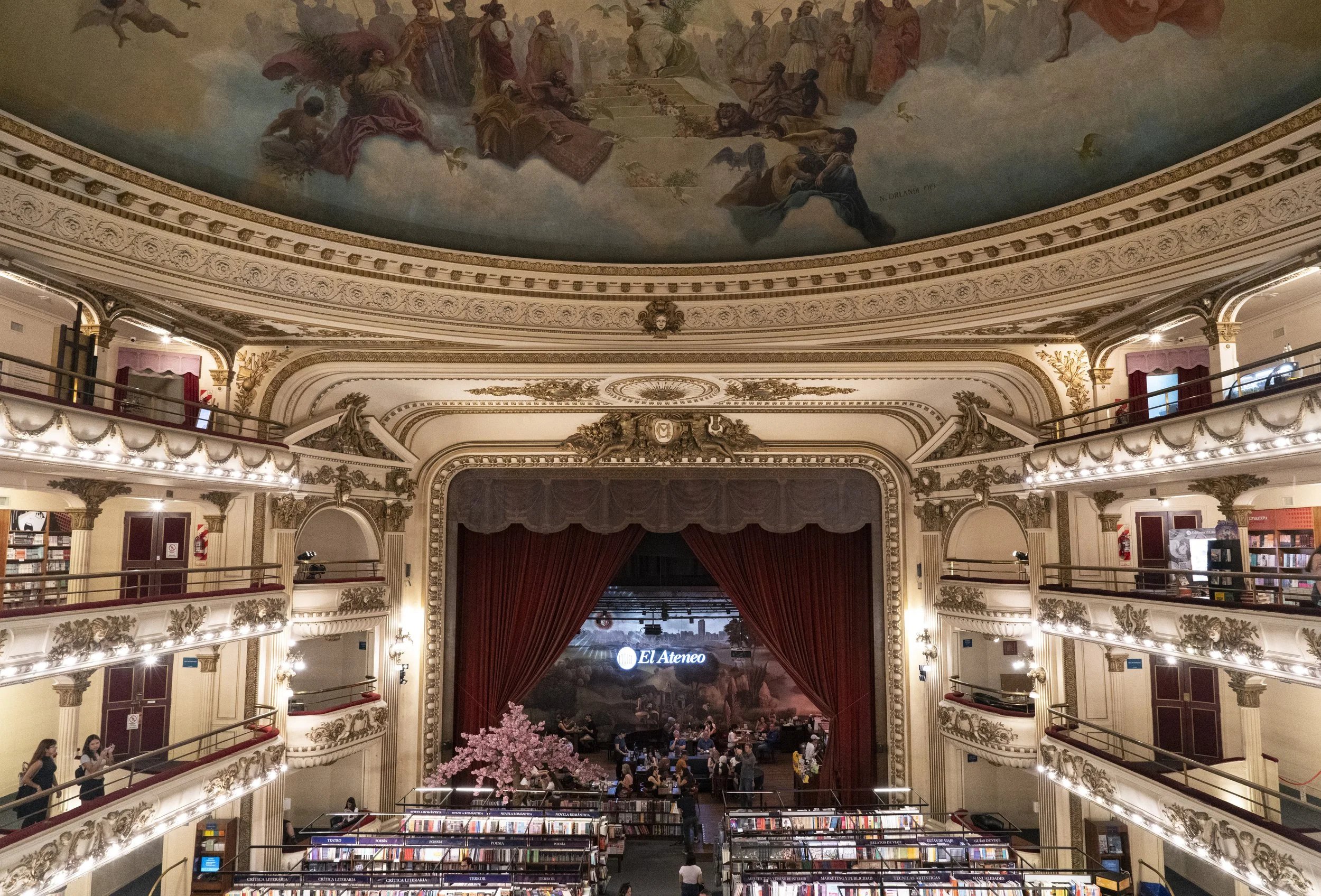
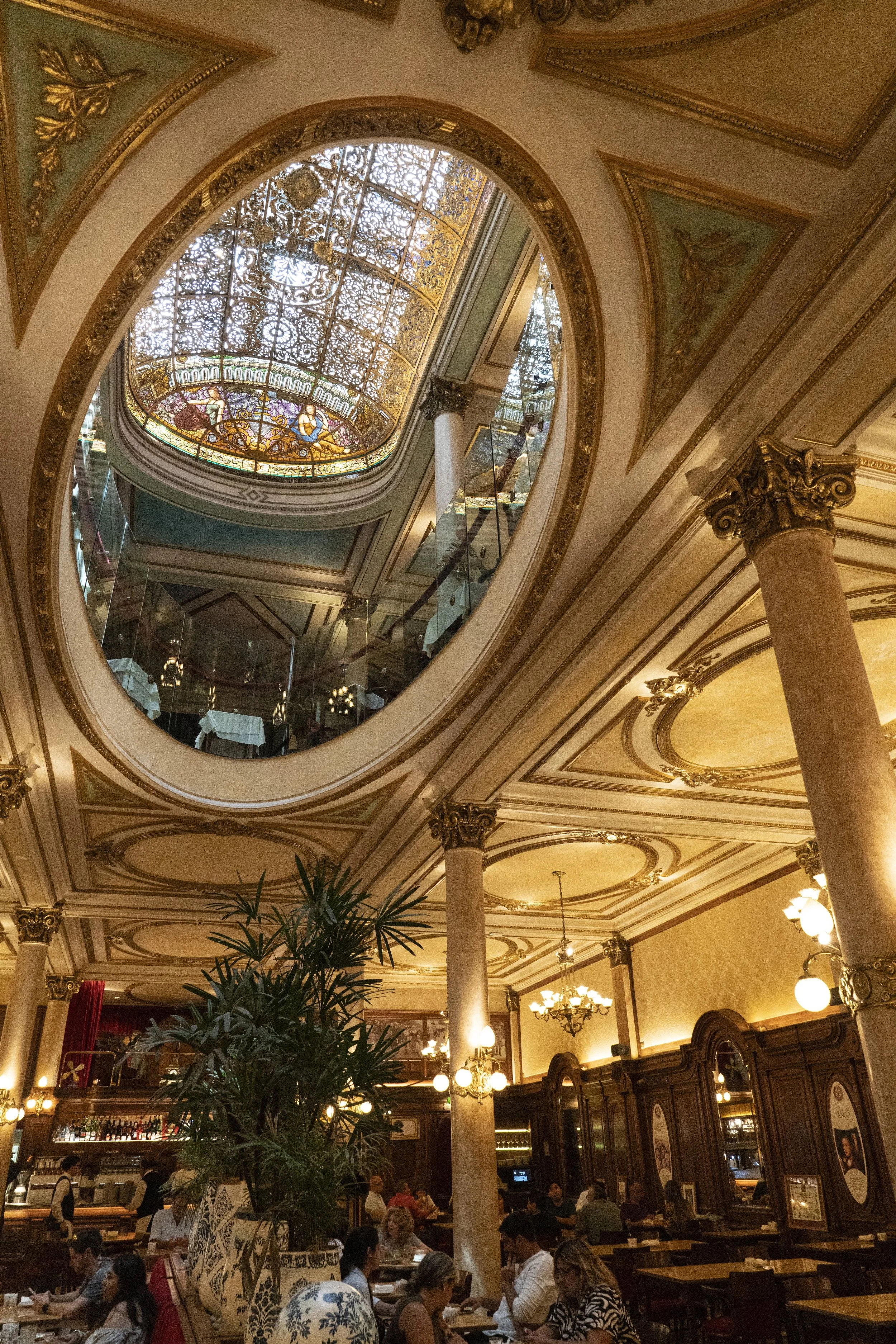
One morning we popped into El Ateneo Grand Splendid, a stunning theatre-turned-bookstore built in 1919 (named by National Geographic as one of the most beautiful bookstores in the world). While the theatre seats were replaced by bookshelves, it still retained the ornate Italian frescoes on the ceiling, stage curtains, and theatre boxes flanking the stage. We sat in one such box, looking out at the bustle of the store—I could easily imagine spending hours in there curled up with a good book.
El Ateneo Grand Splendid
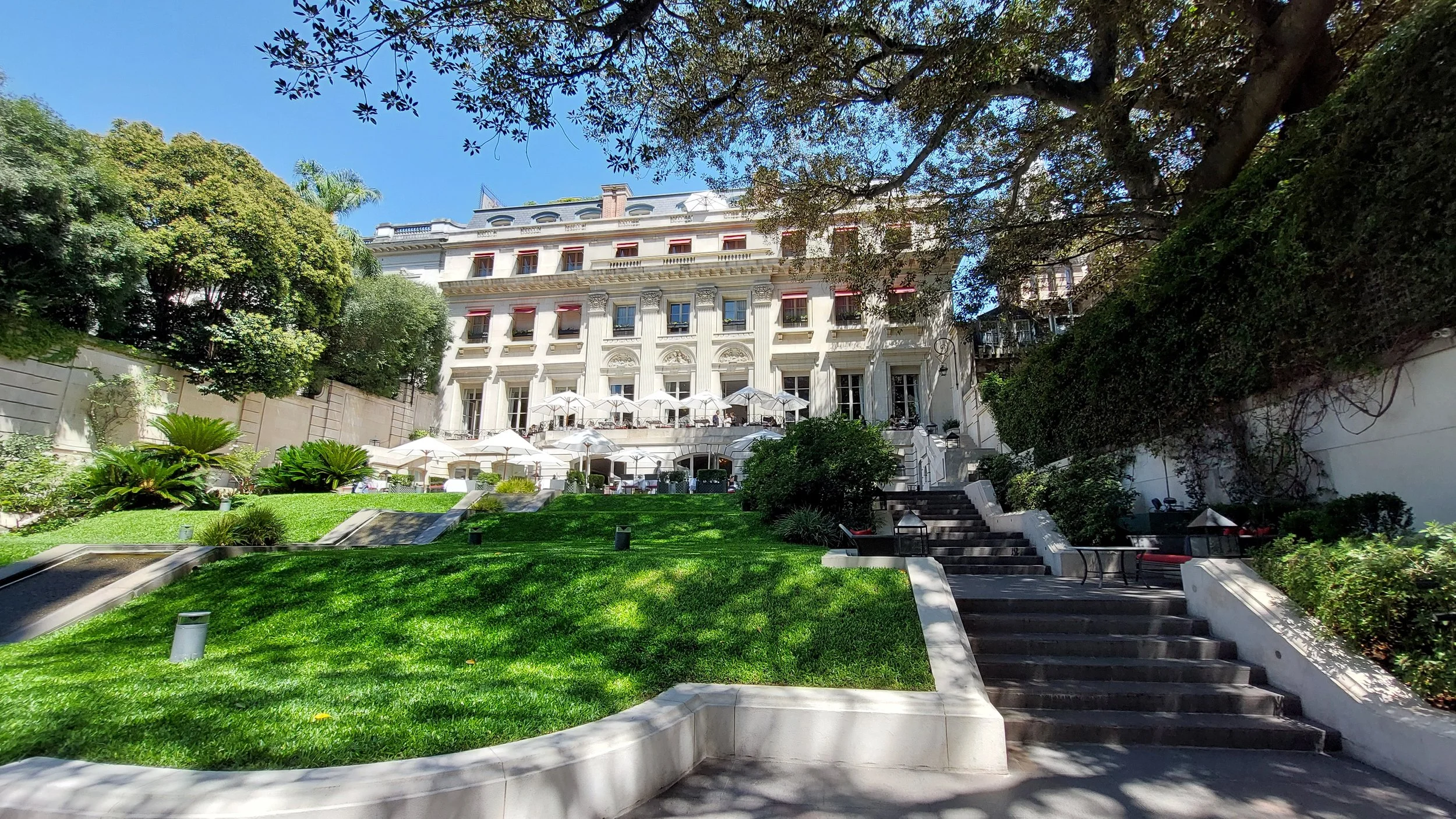
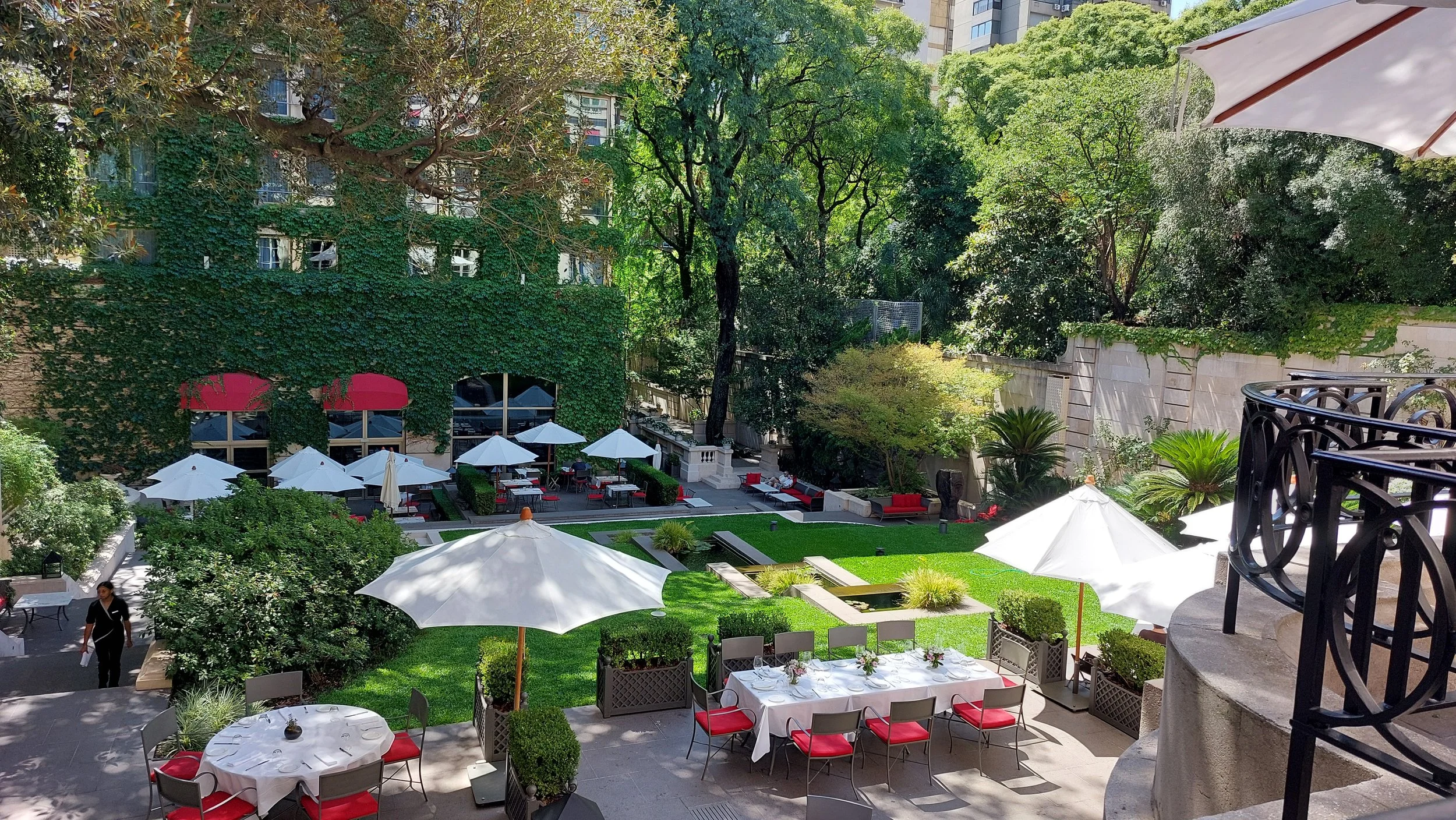
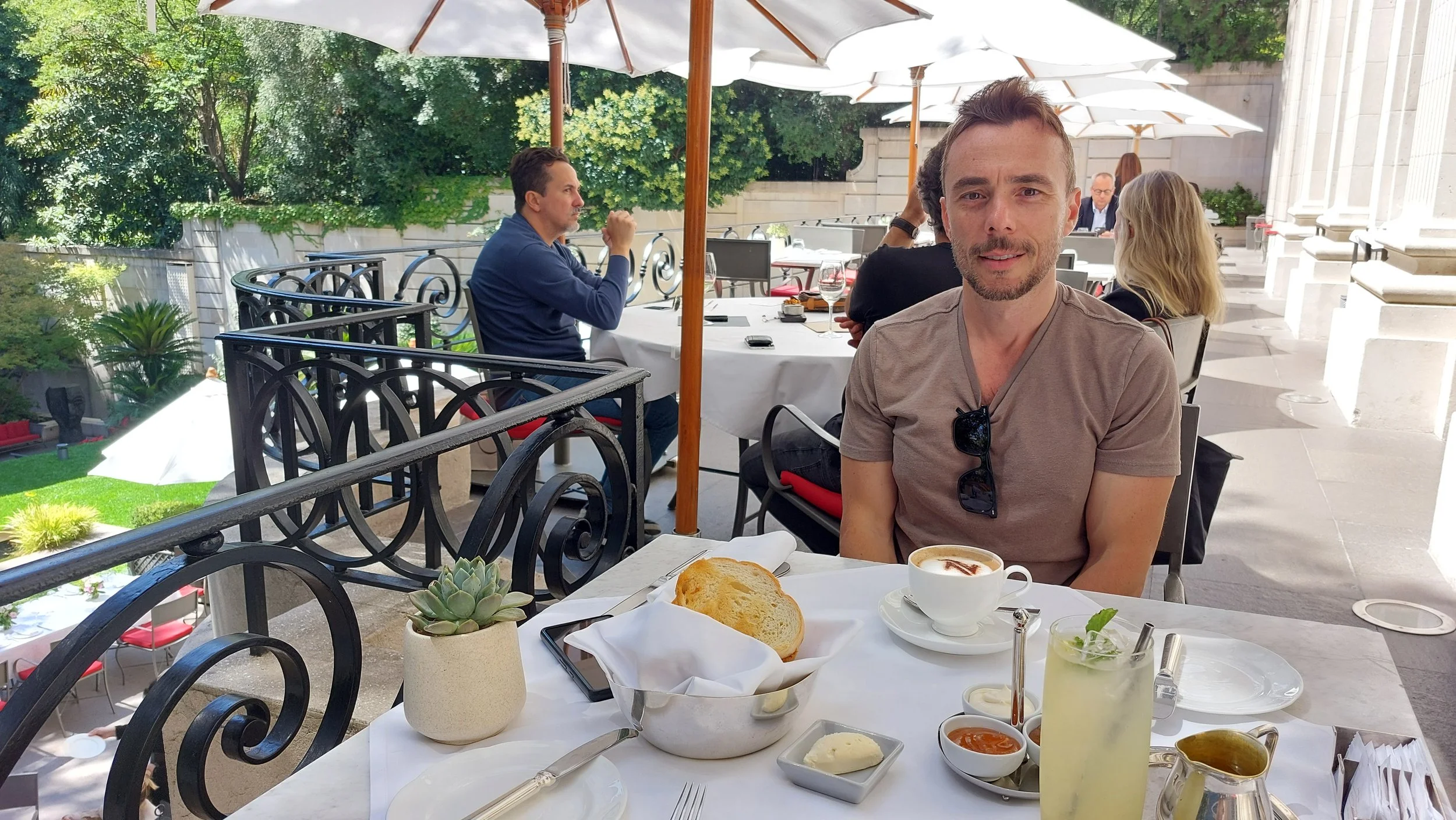
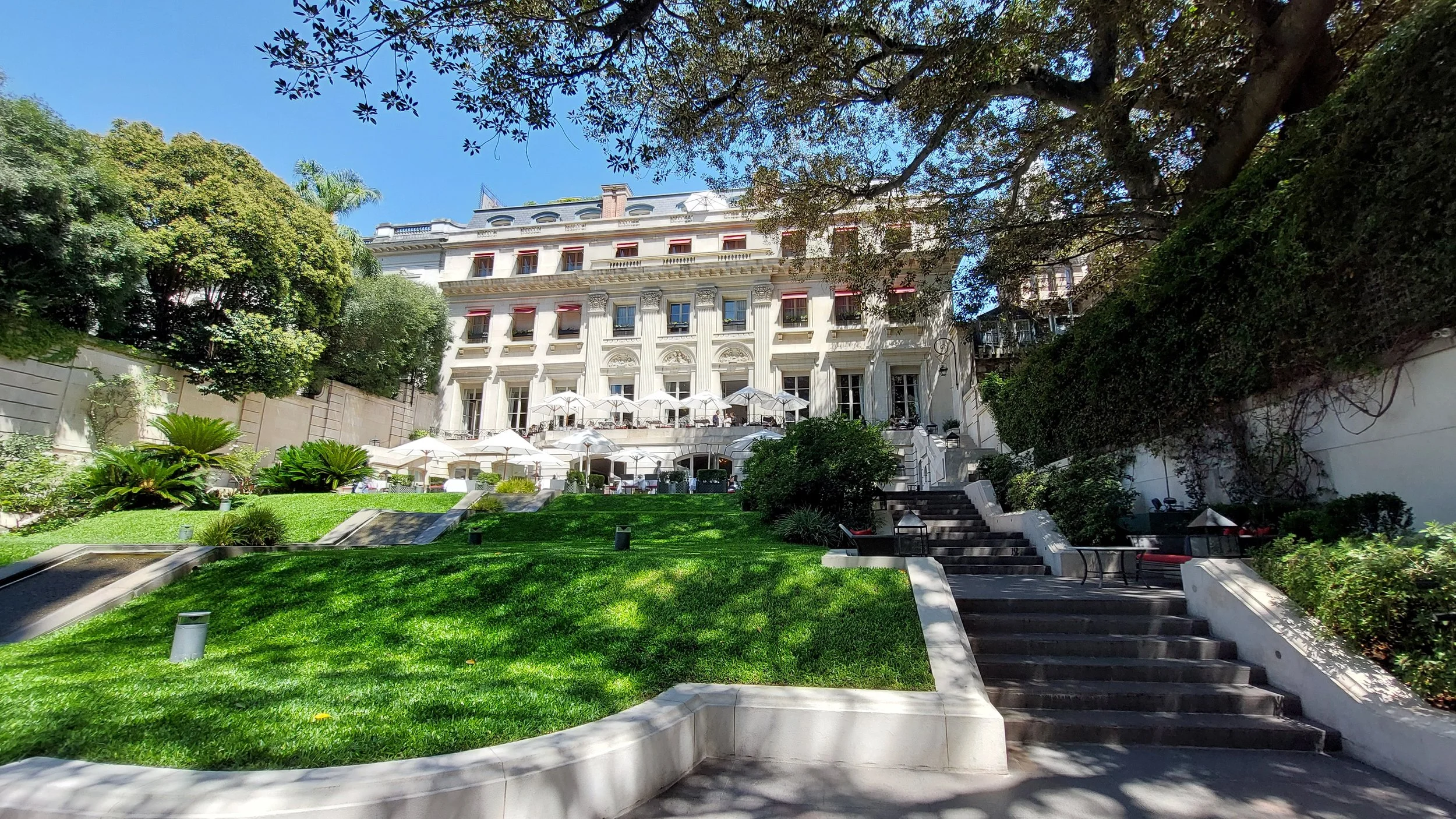
Our wanderings eventually took us past Palacio Duhau, the Park Hyatt hotel. Dave and I often enjoy poking around grand hotels, even in Toronto, so we couldn’t pass up the opportunity. Built in the 1930s, this Neoclassical mansion was gorgeous, with its soaring ceilings and unique red marble floors. Even their bathrooms were impressive; the walls were lined with padded, red leather, and they displayed paintings as if in an art gallery. They had a café on the terrace overlooking a manicured garden, and so we decided to grab a small bite. Being perhaps the fanciest hotel in Buenos Aires, we determined we could afford the toast. Now, this was no ordinary toast—it came with a platter of accoutrement, including (delicious) cream cheese and marmalade. It was lovely to be able to just sit outside and appreciate the beautiful surroundings, while also feeling just a little bit fancy.
Palacio Duhau
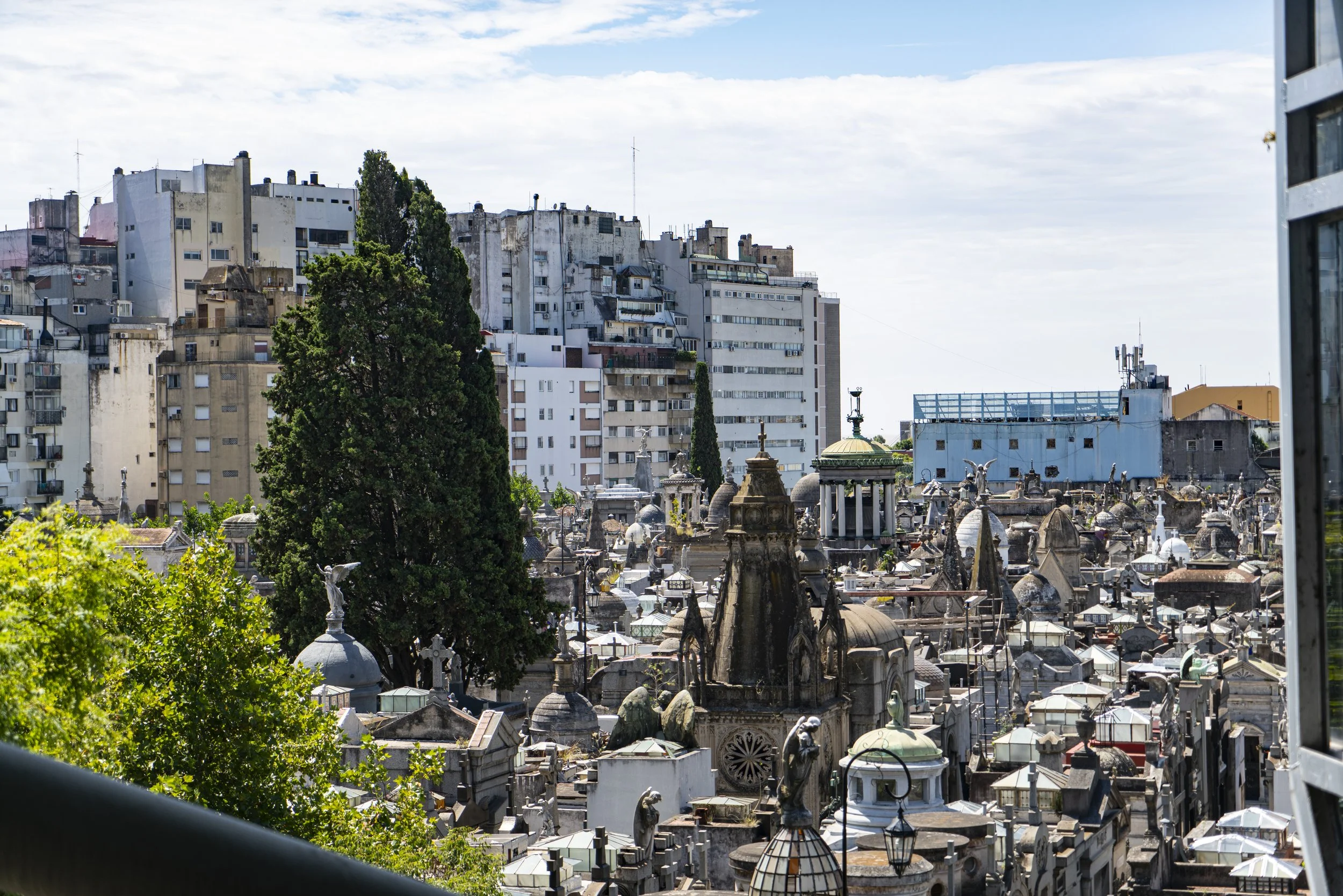
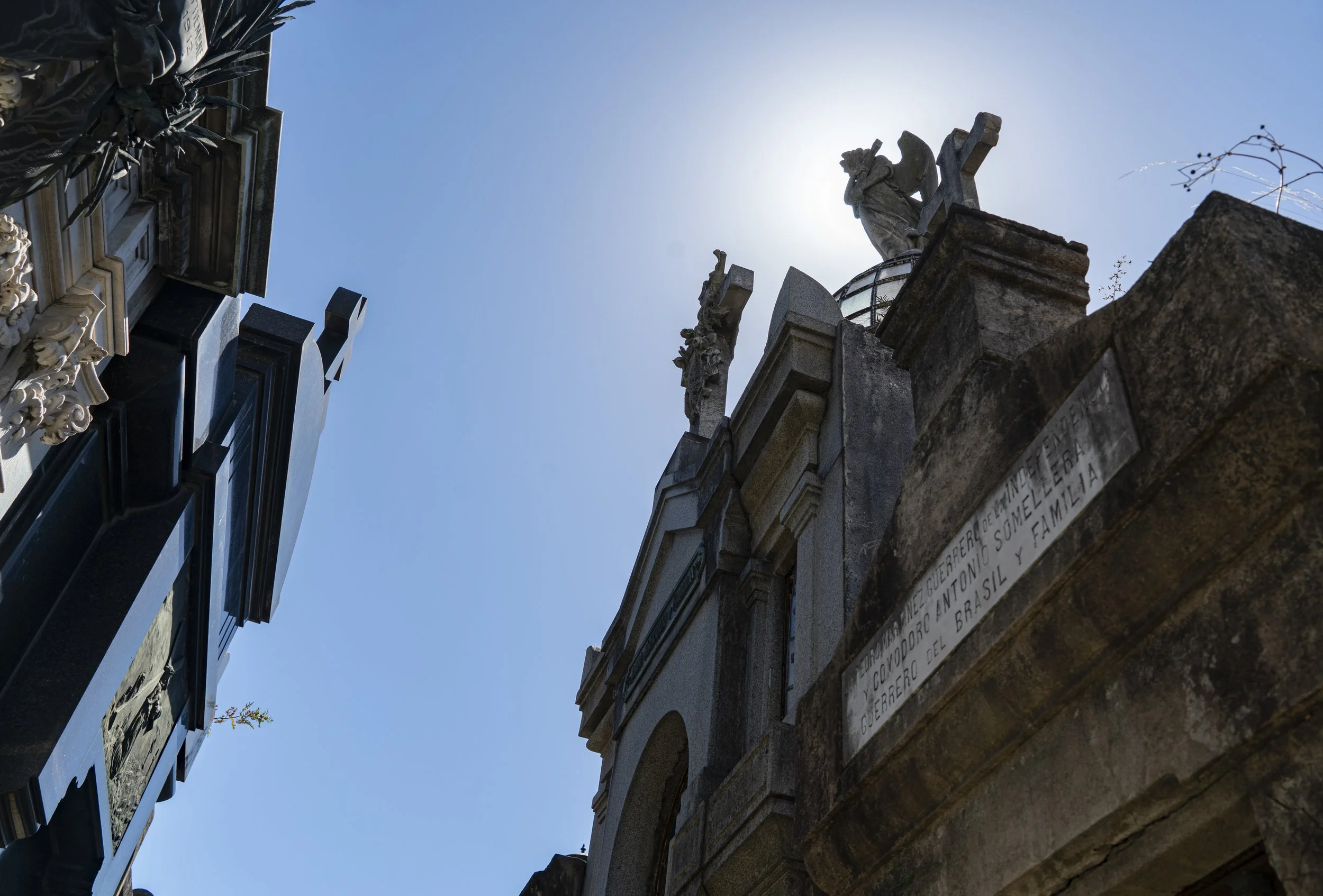
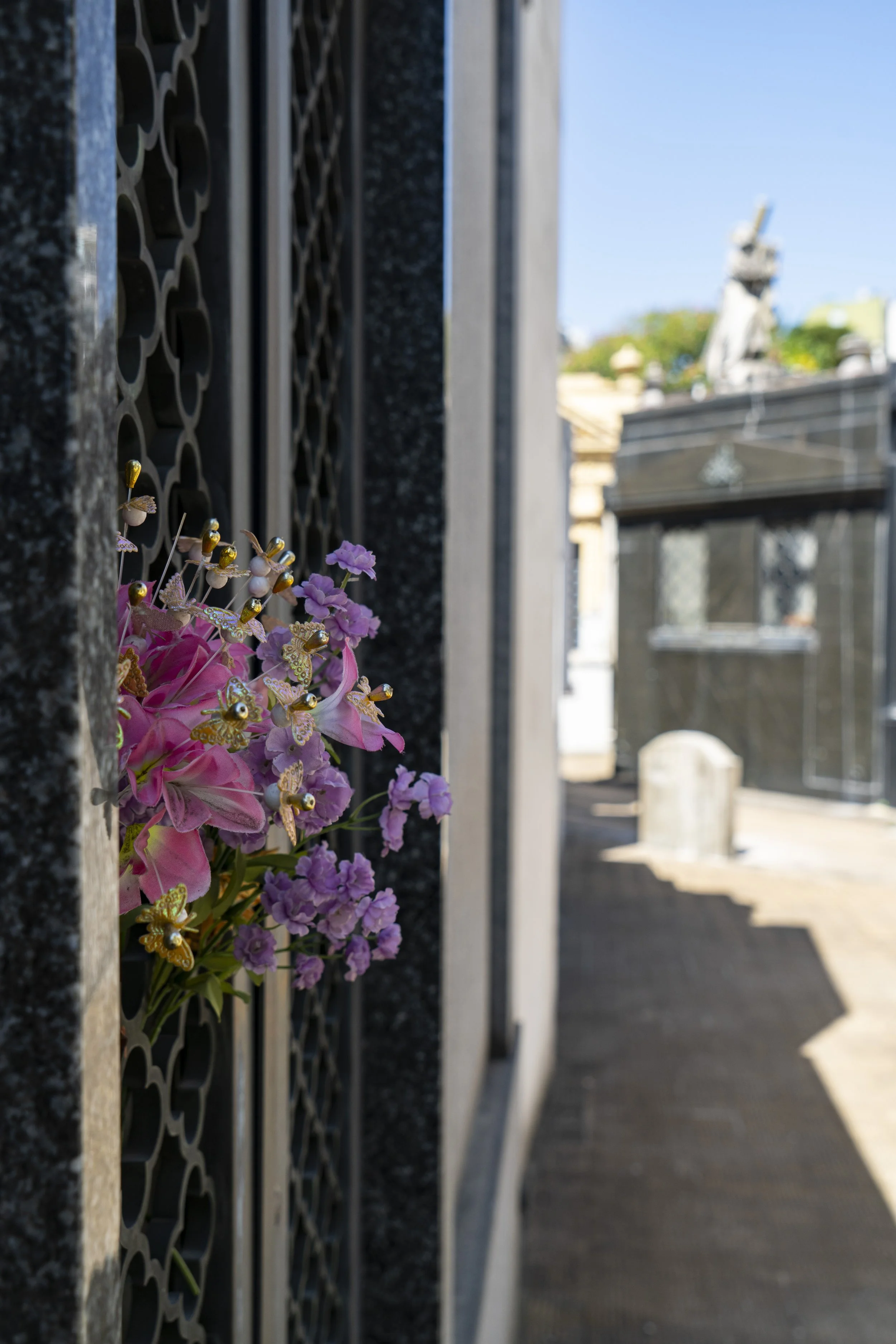
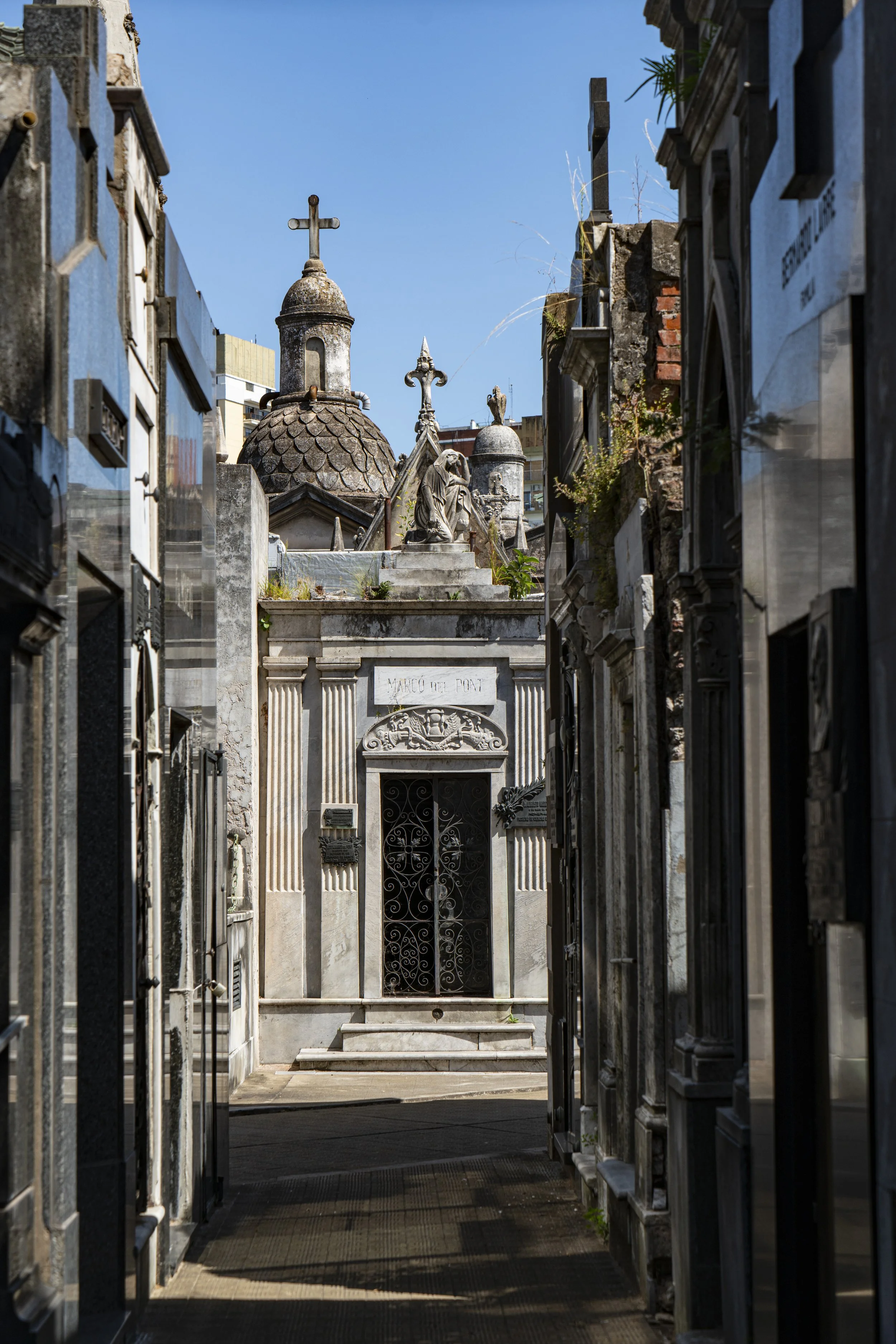
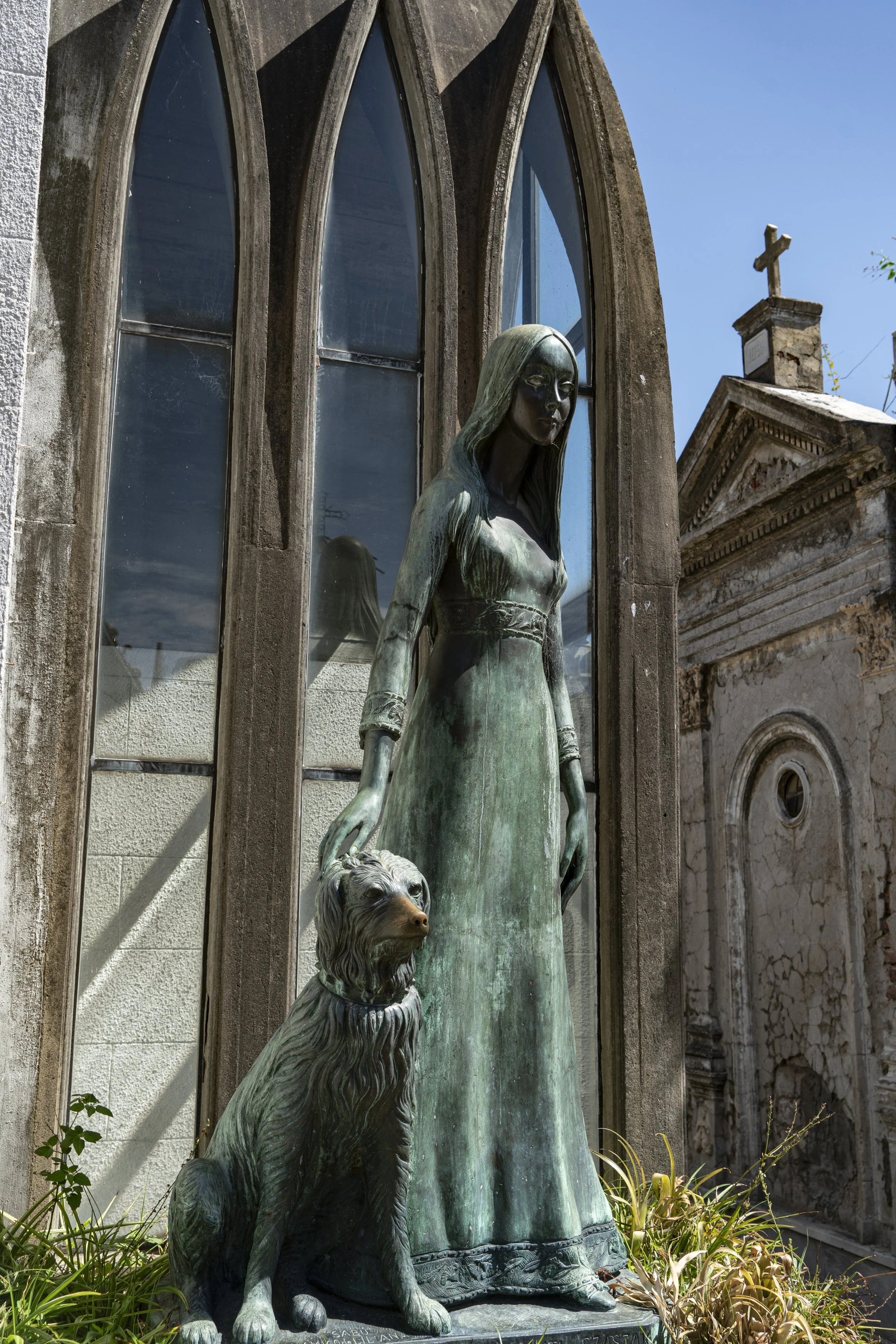
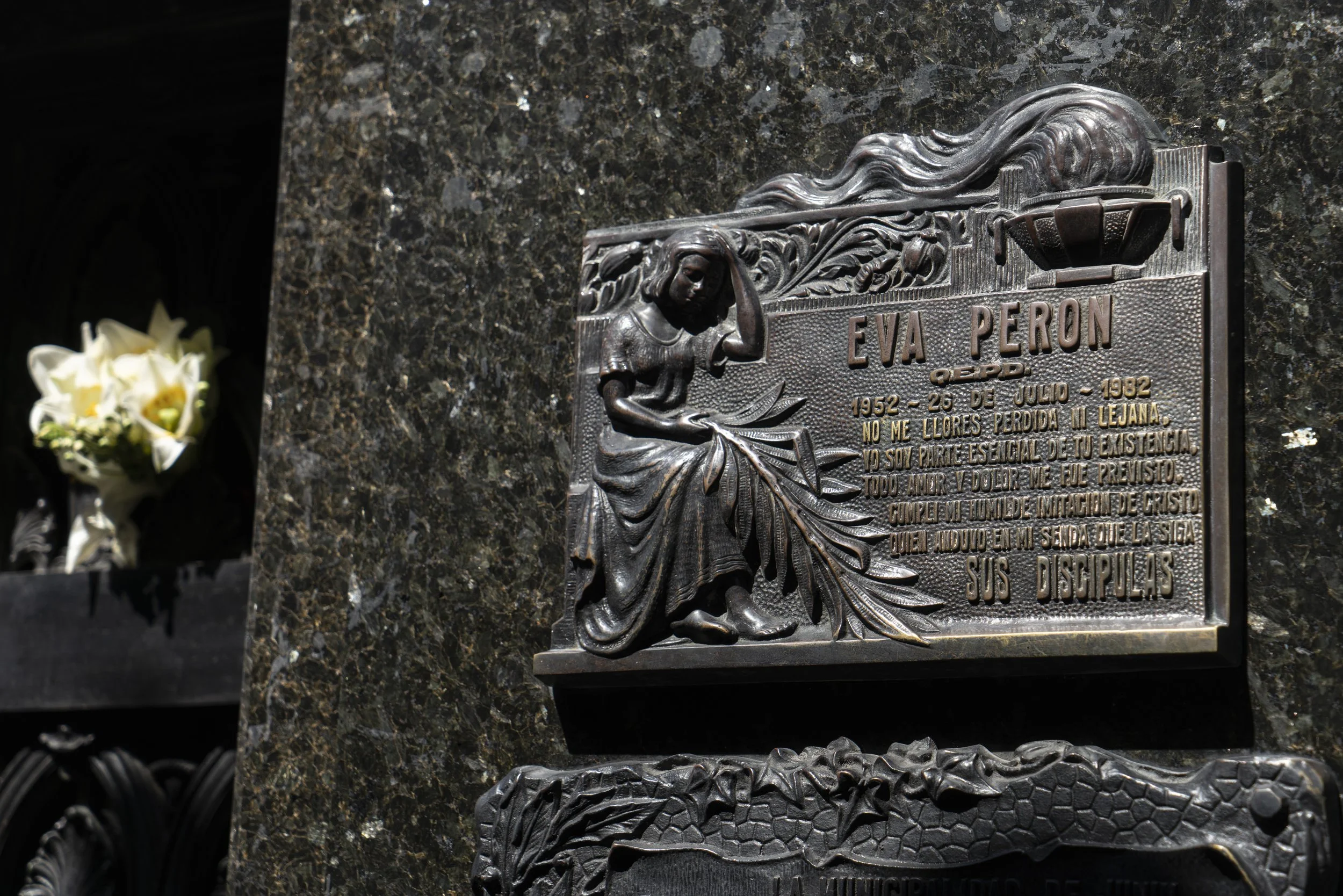
What the neighbourhood is perhaps most famous for is La Recoleta Cemetery, containing the graves of Eva Perón, Argentinian presidents, amongst other notable figures in Buenos Aires history. Before entering, we’d read that one of the best views of the cemetery was actually from the 2nd floor balcony of a fast food joint (Mostaza Burger), so we grabbed ourselves a bite and a (bad) coffee and enjoyed the view from above.
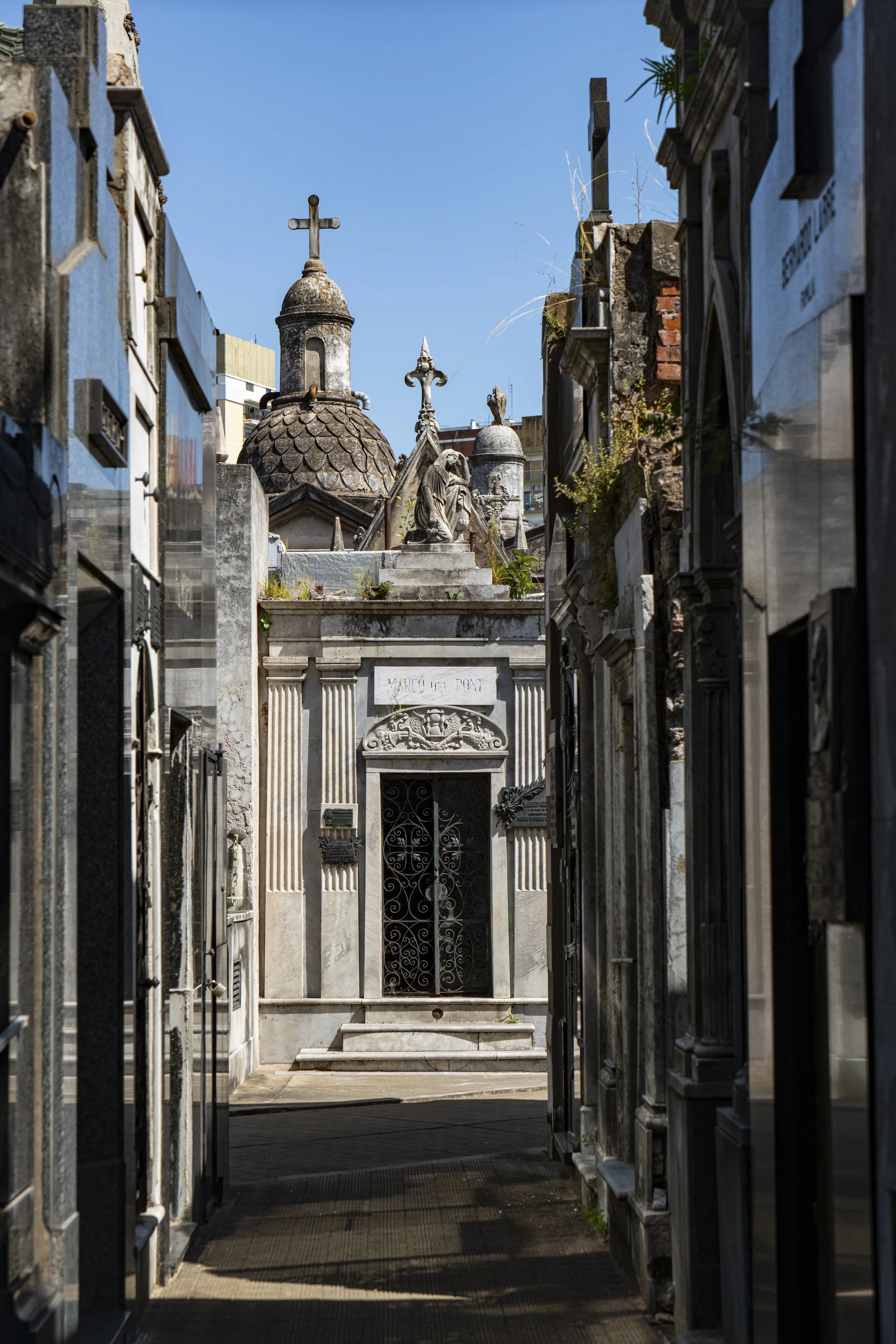
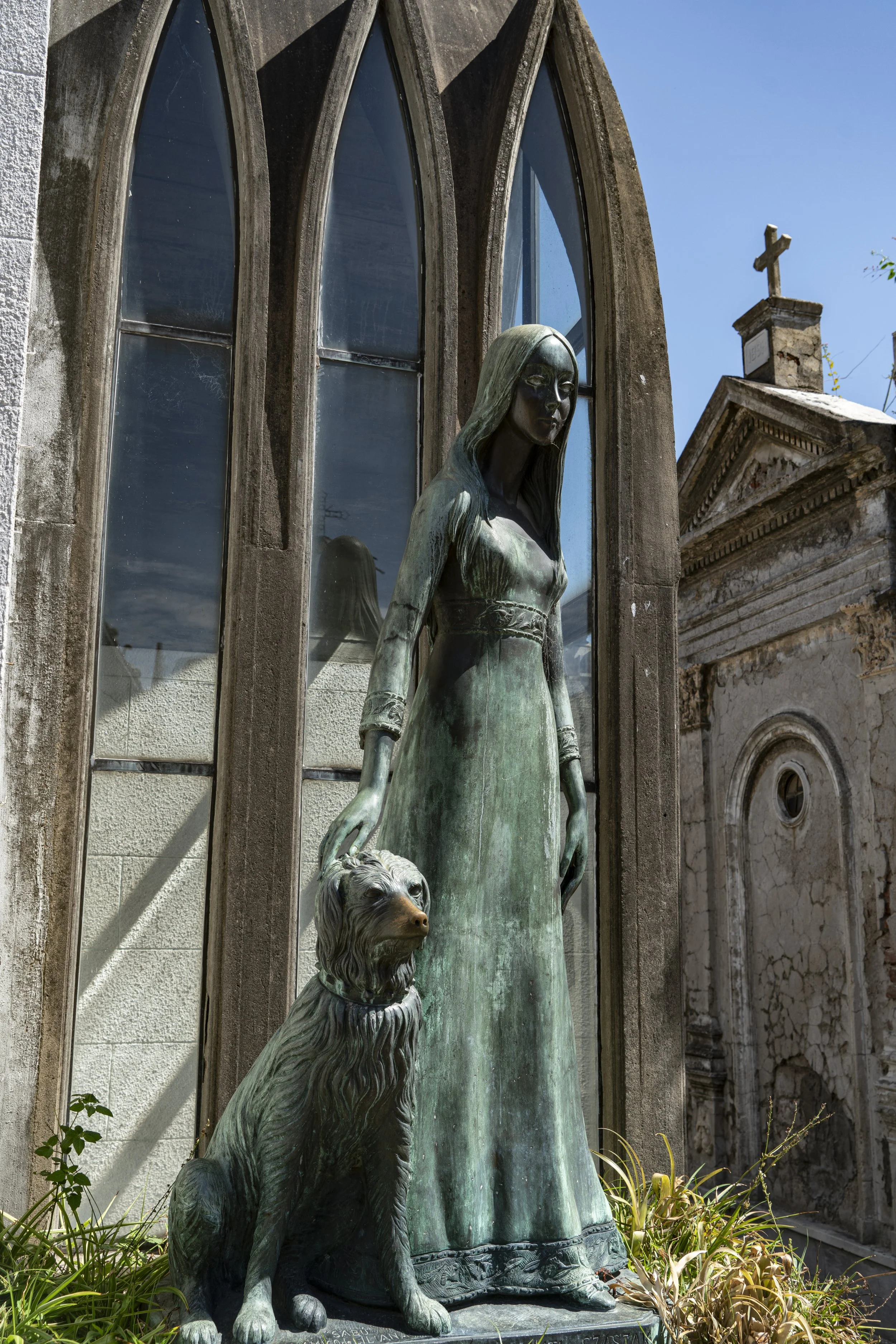
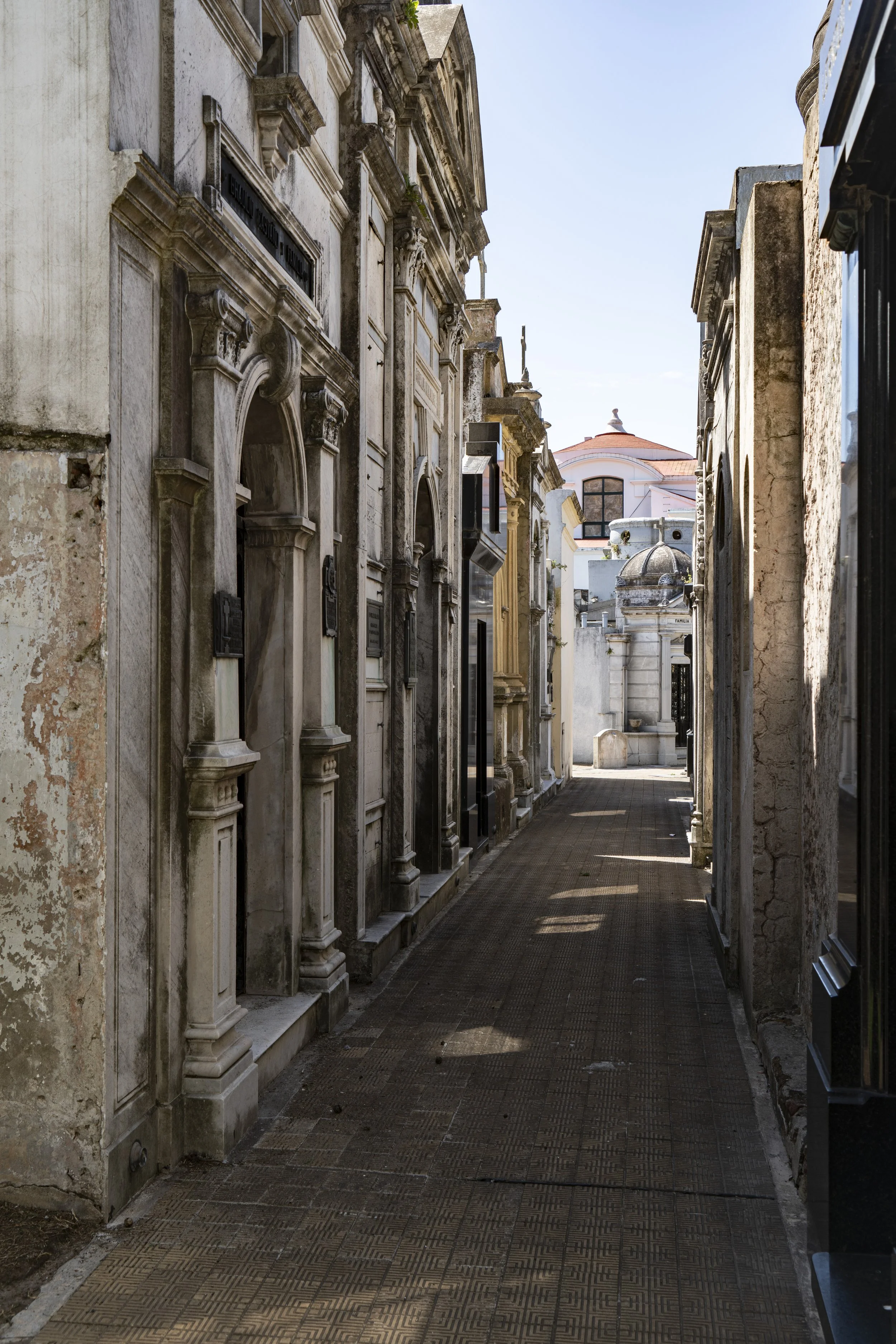
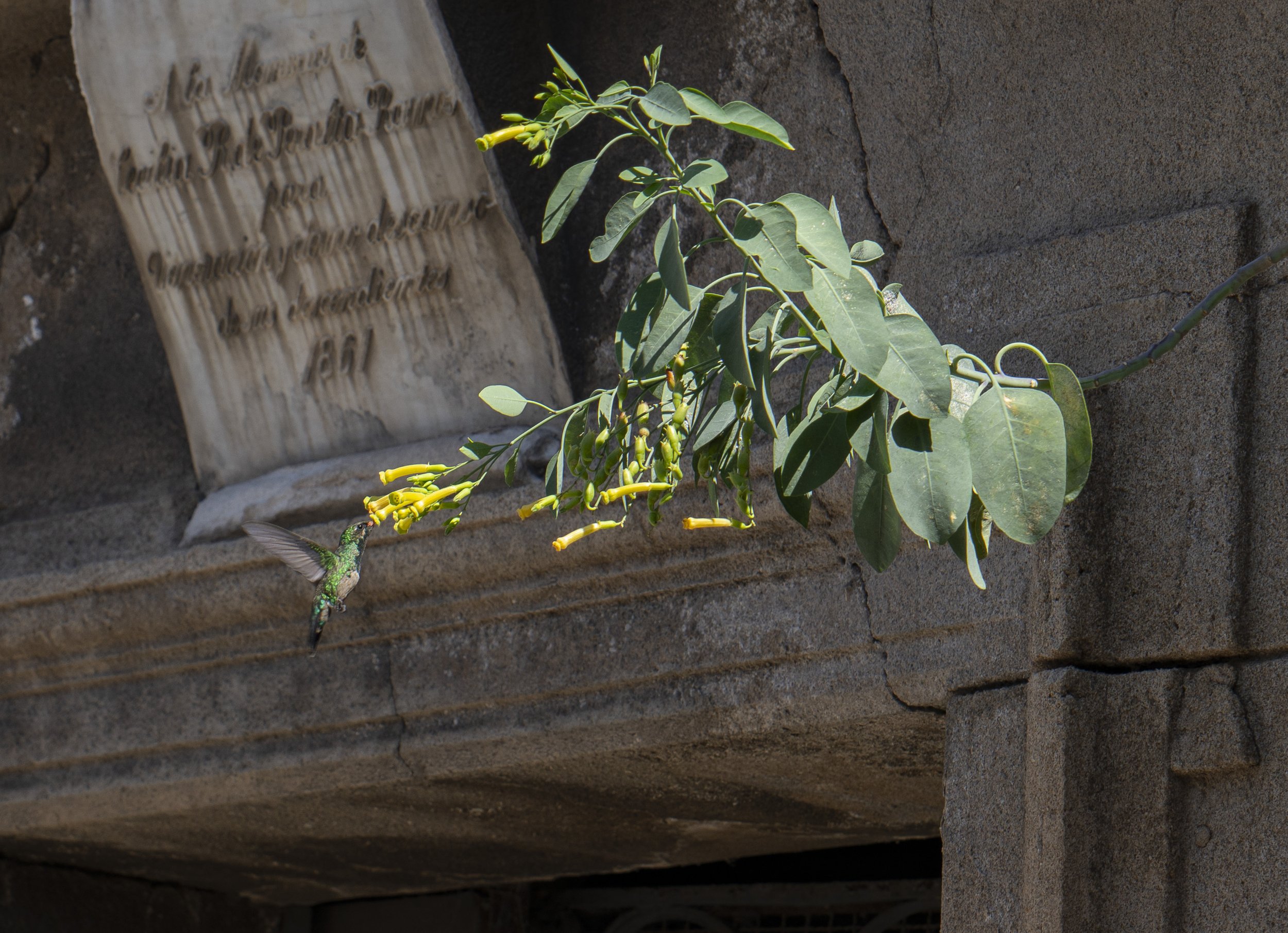
We paid our entrance fees and made our way through the rows and rows of ornate mausoleums, varying considerably in style and grandeur. As we peered inside, we imagined what their different stories were, how we would want to design our own mausoleums, and tried to not ruminate too deeply on our own mortality.
Monserrat & San Nicolás
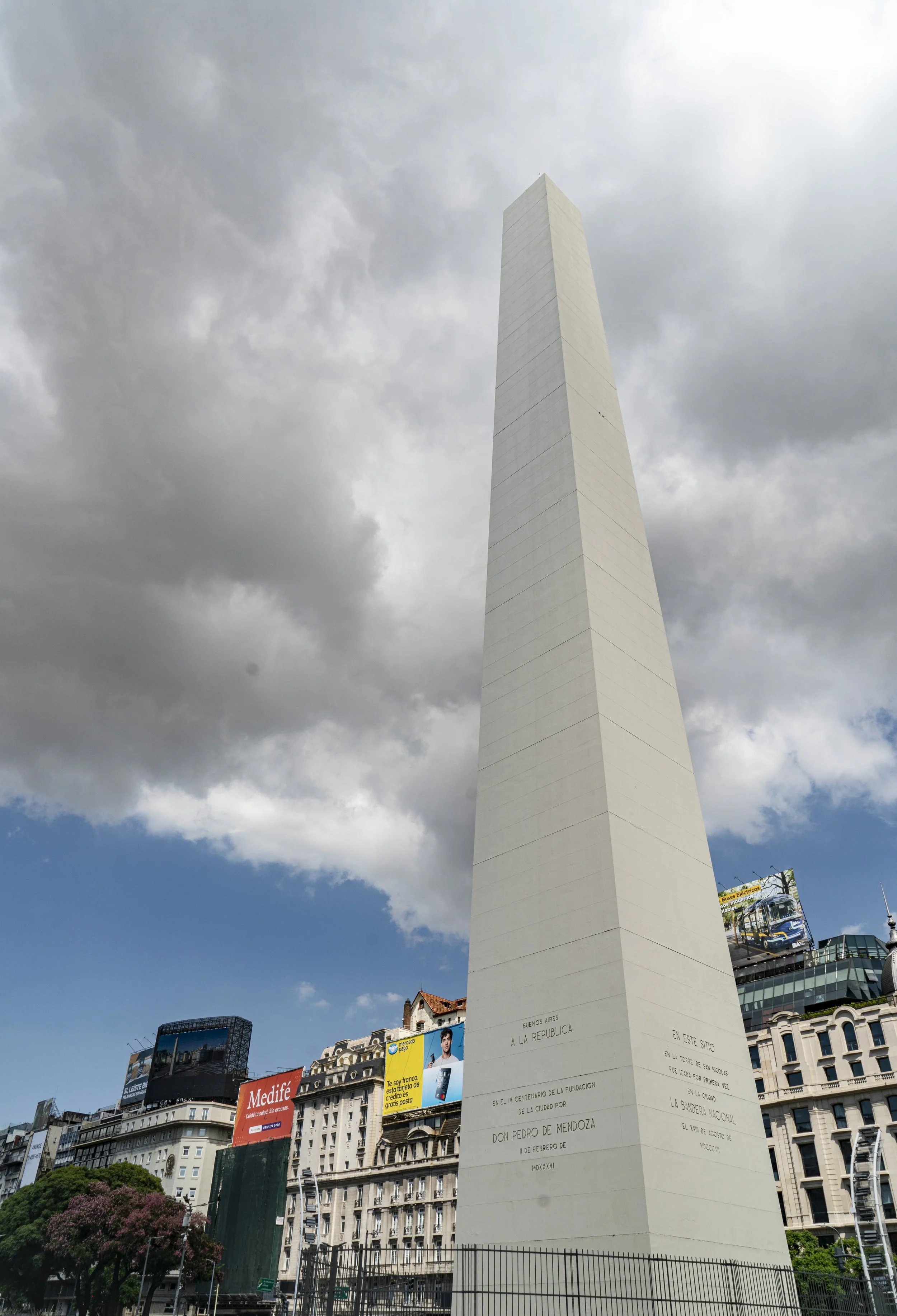
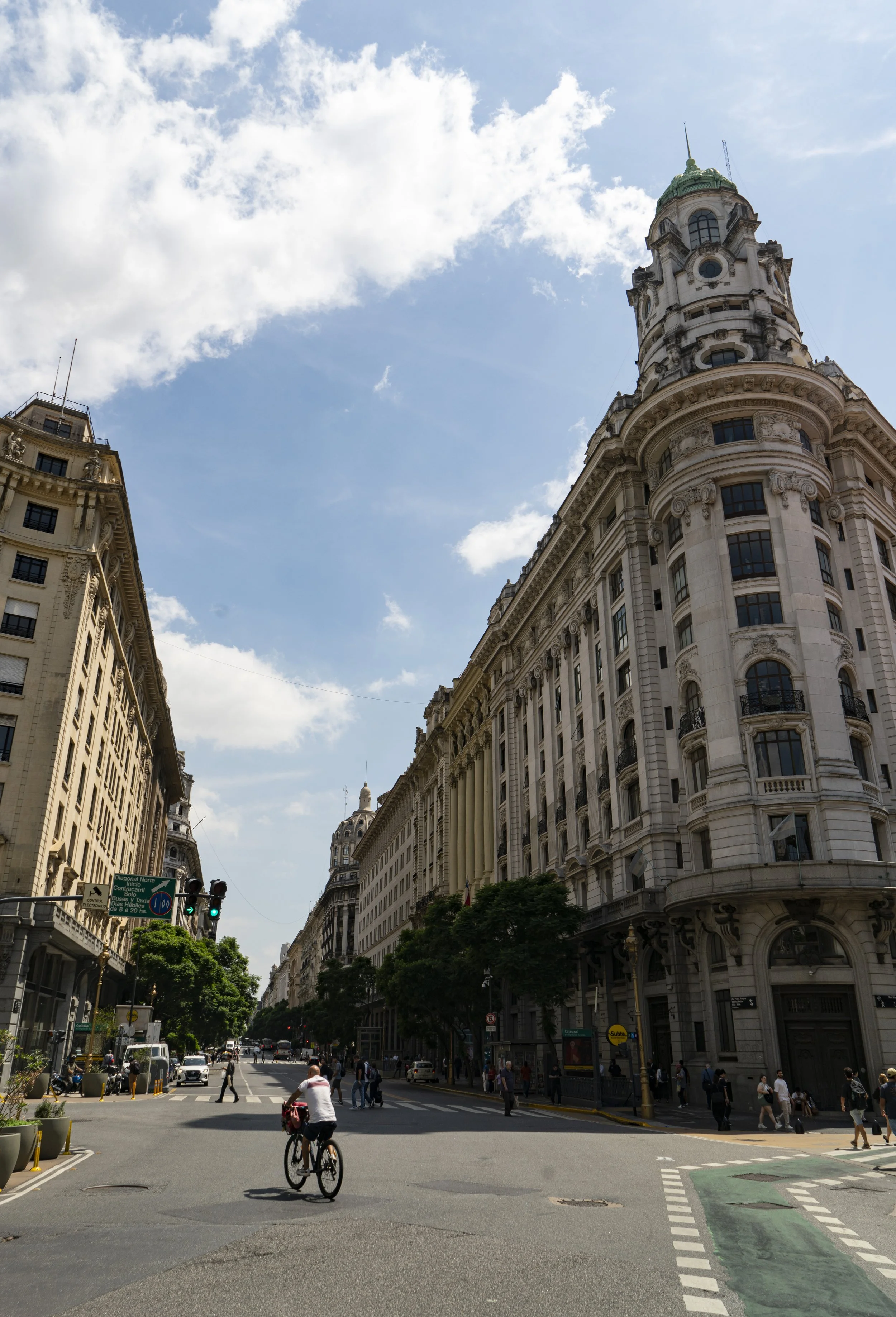
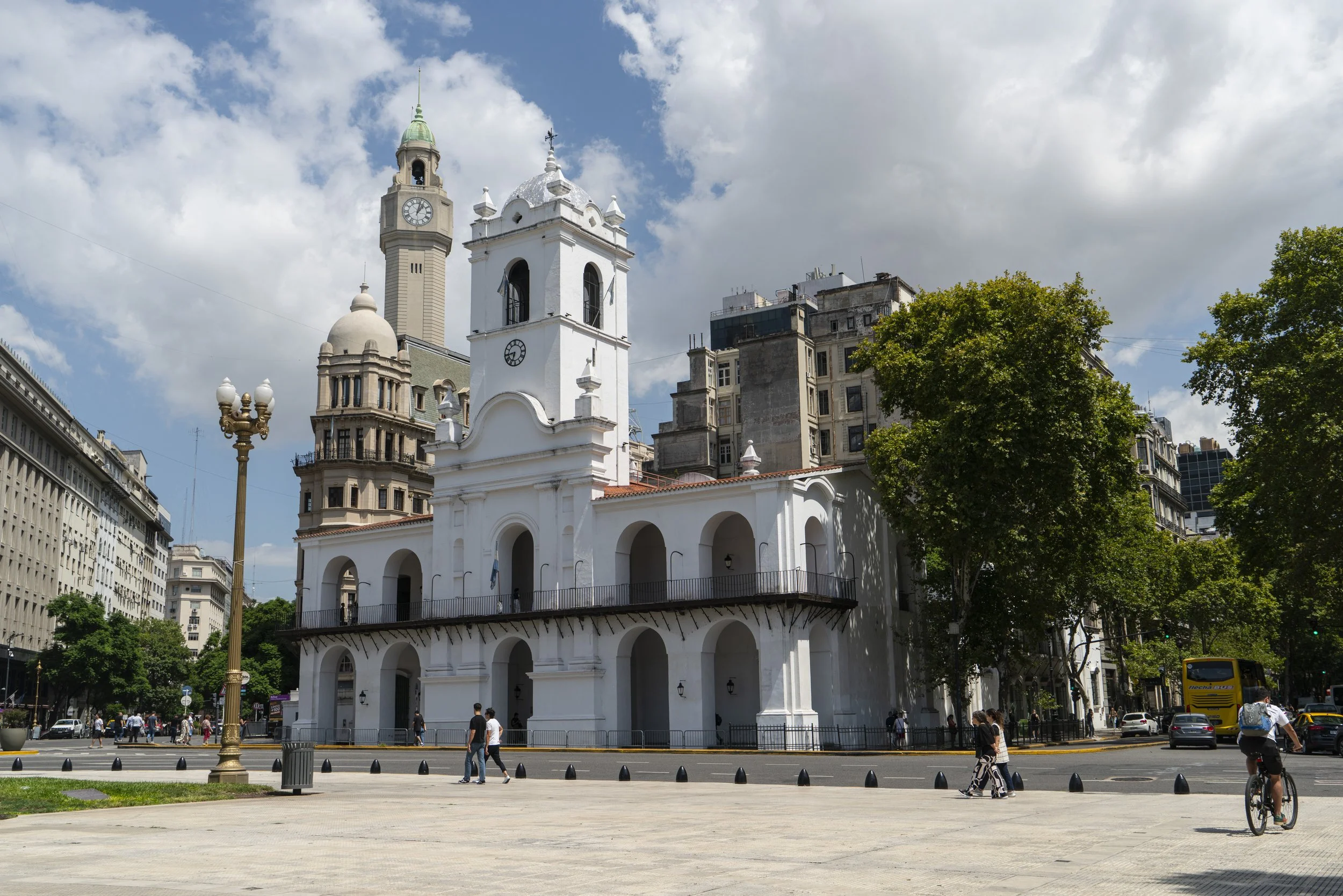
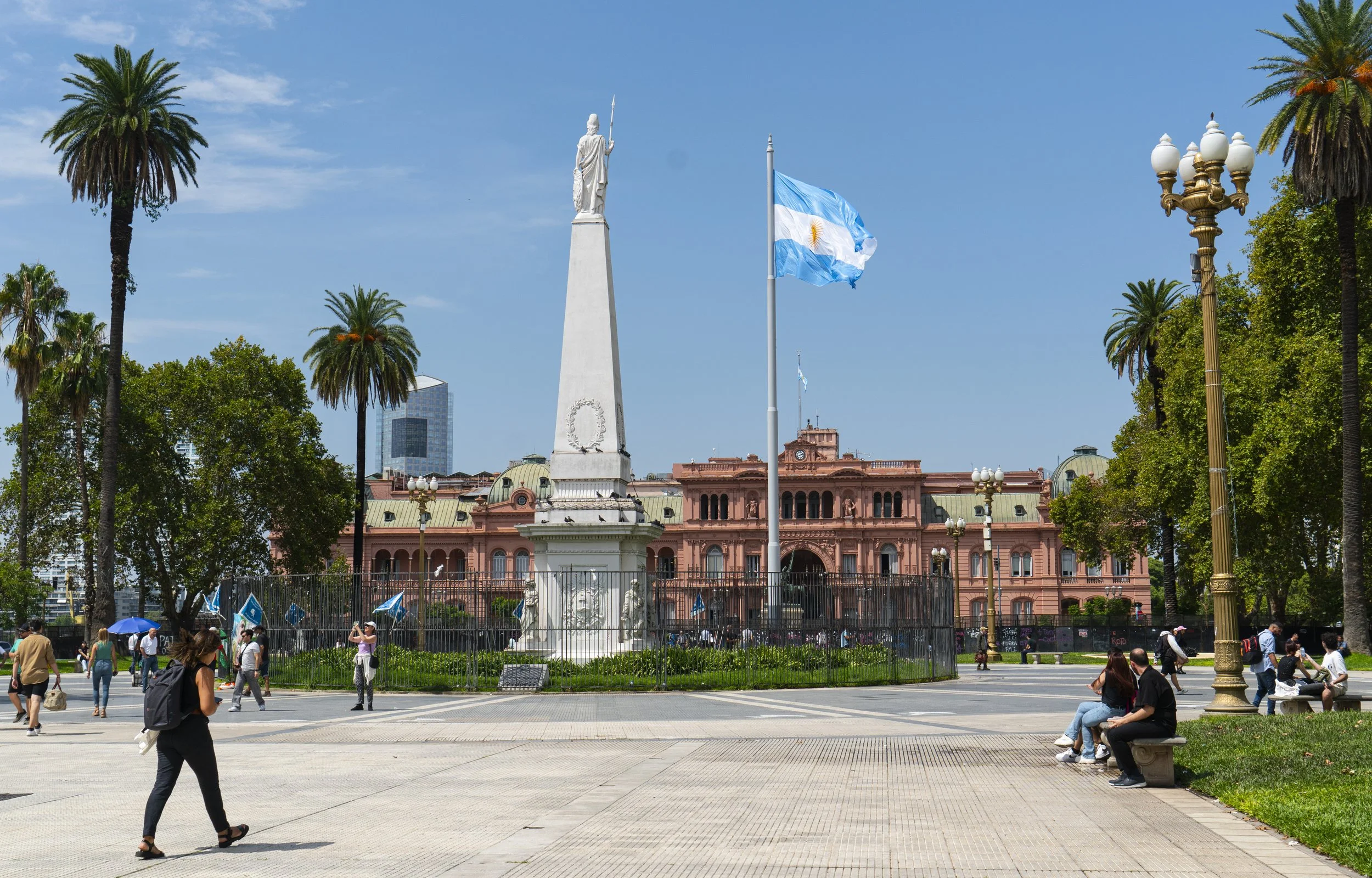
One of the highlights of our time in Buenos Aires was taking a three hour walking tour around the city. Andre was our guide, a tall talkative local who spoke English fluently and with a slight Scottish accent, as he’d gone to school there for a time. The tour started near the famed obelisk which dominates the Buenos Aires skyline but apparently had a real divisive history with the locals. We wandered down Avenue Corriente, which he described as Buenos Aires’ Broadway, lined with theatres and restaurants. This particular area of the city is also home to many public buildings, including city hall, city legislature, and Casa Rosada (where the president works).
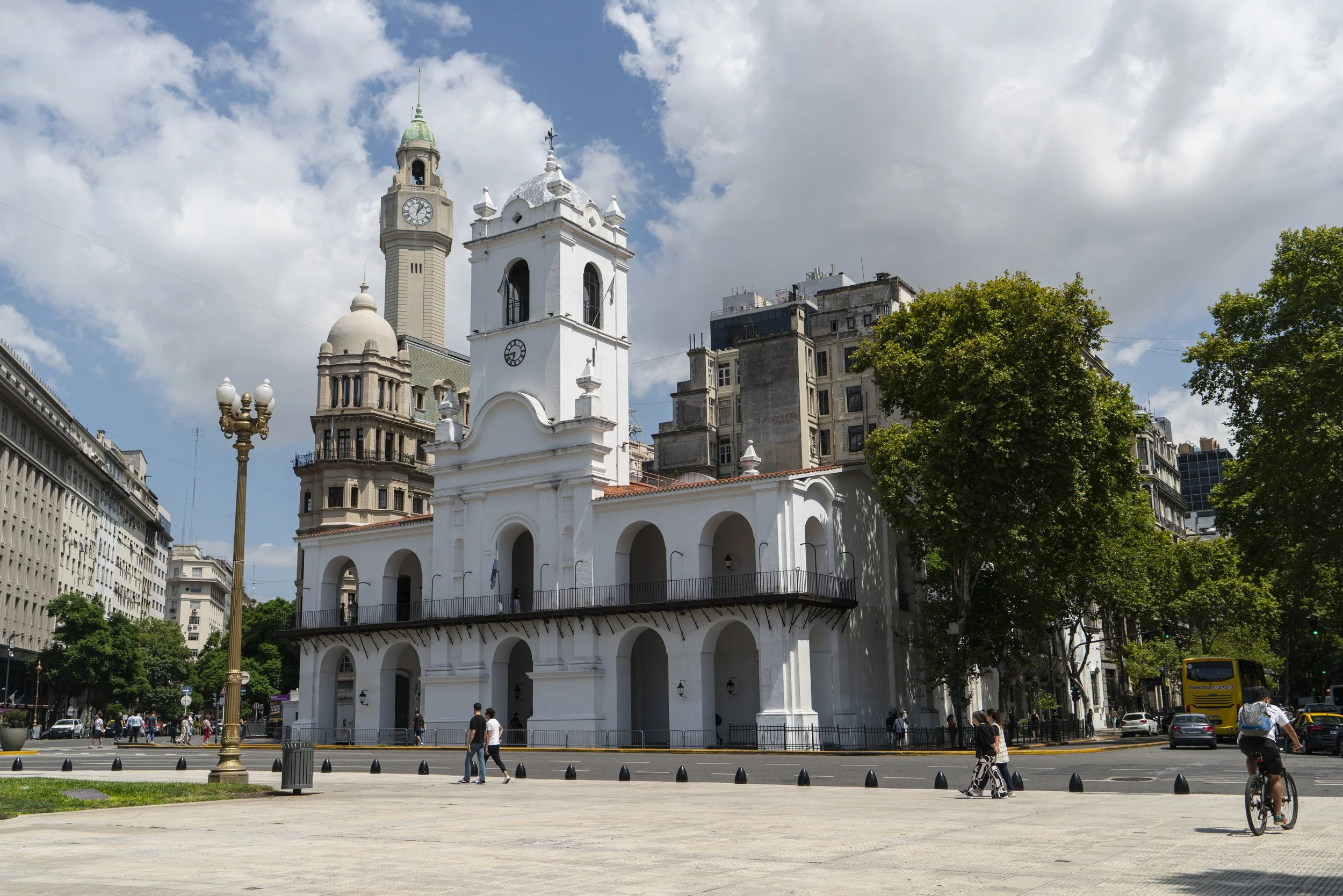
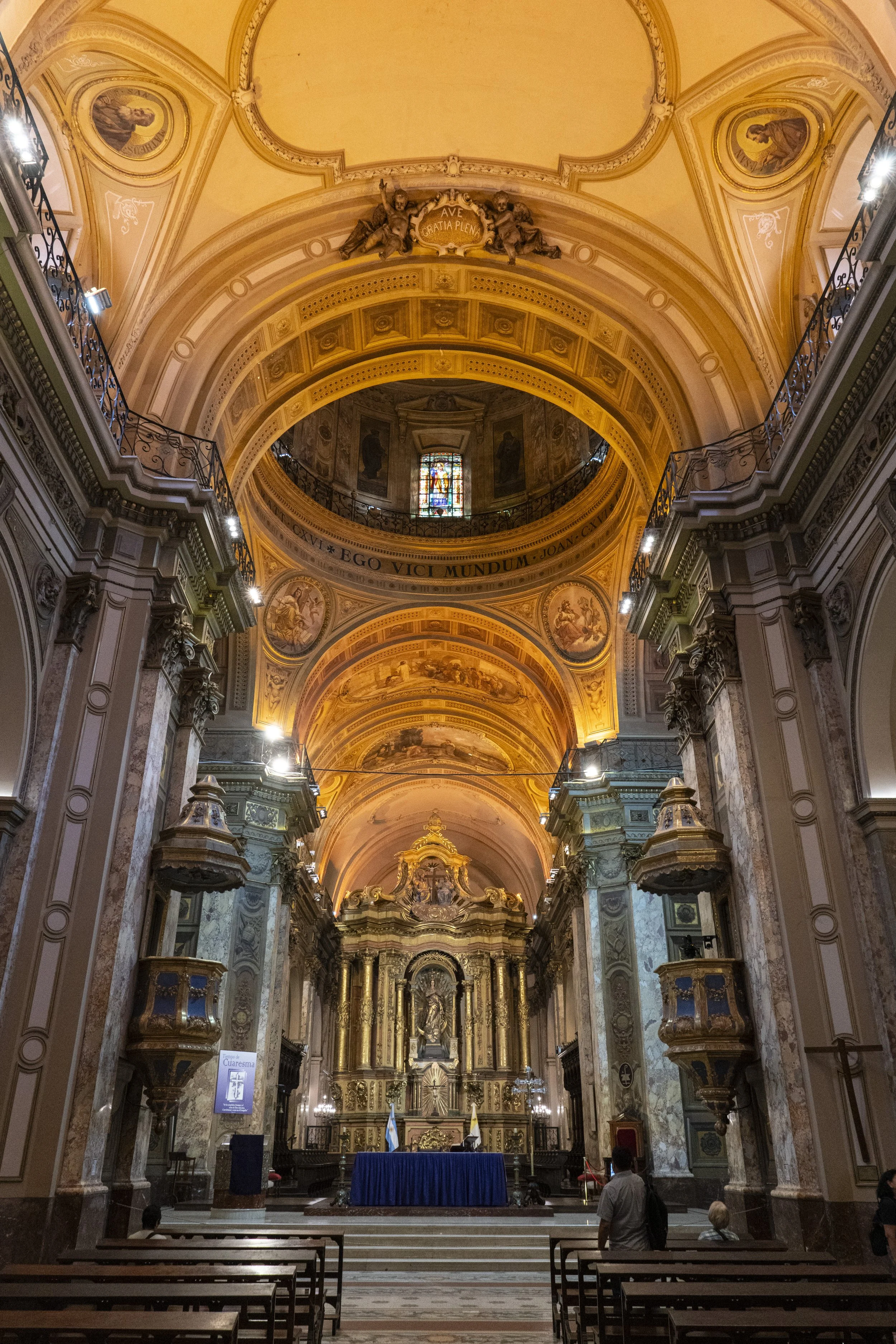
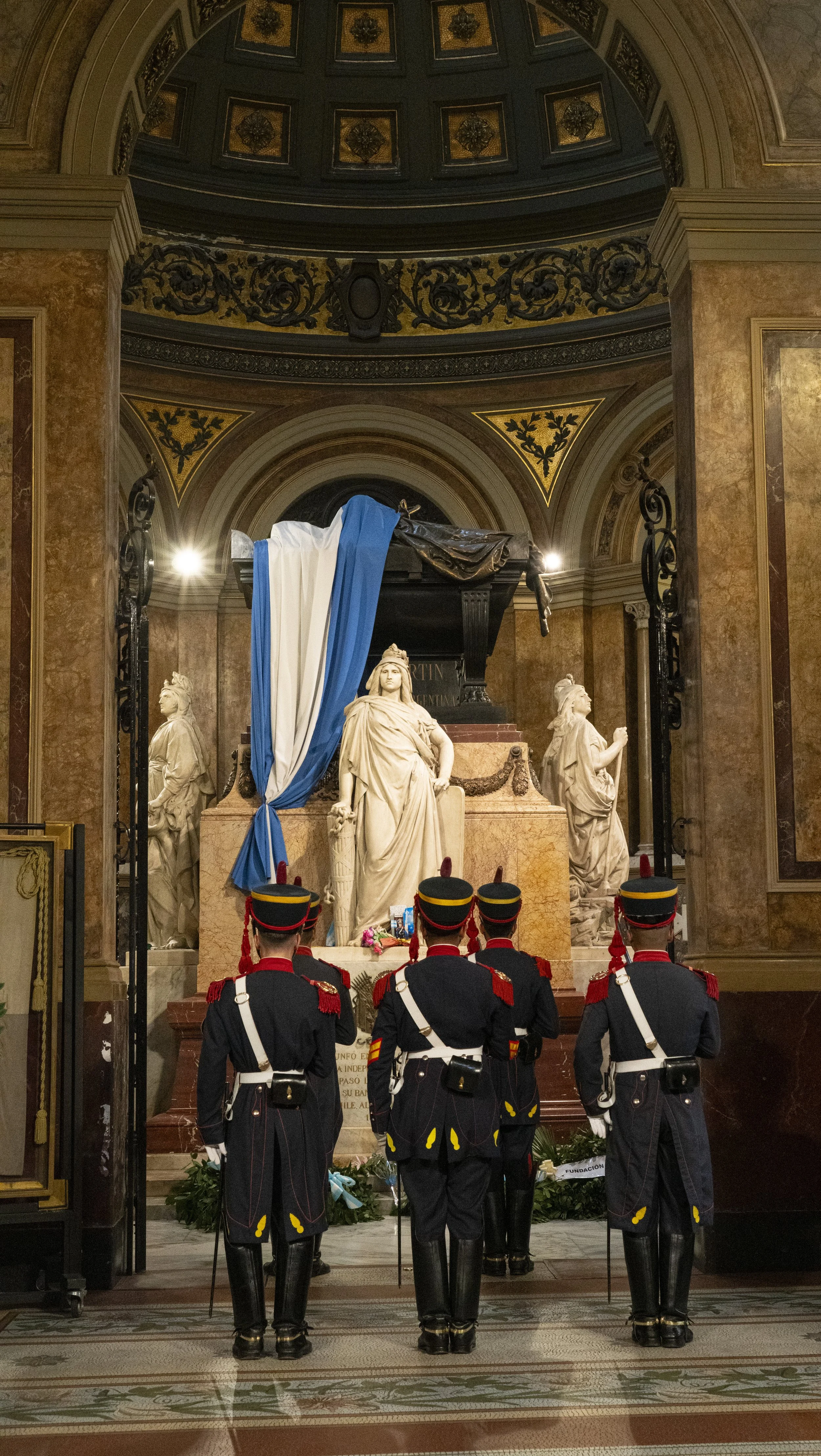
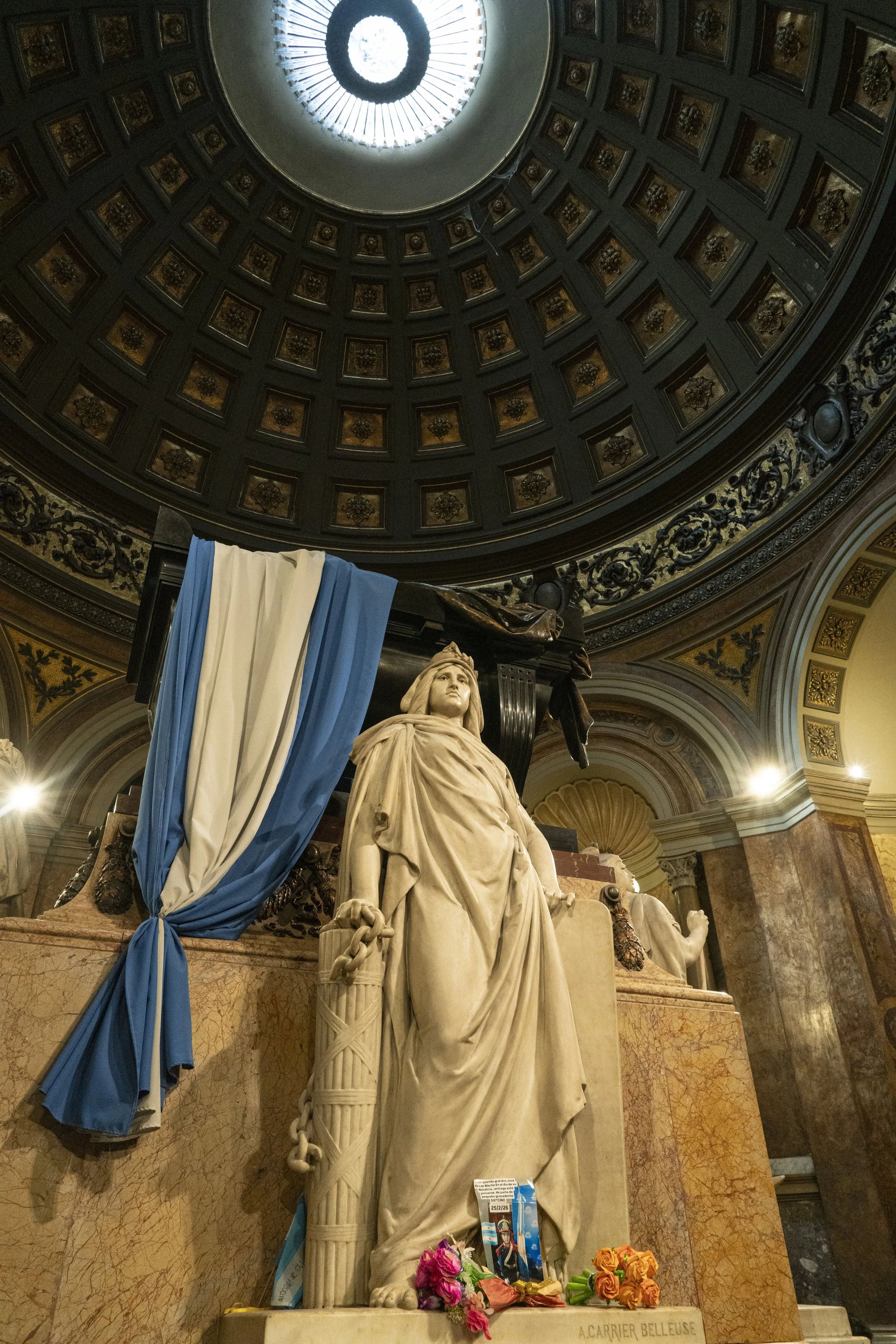
Andre was a lively storyteller and filled us in on (a lot of) history and anecdotes. It was interesting to hear about the city ’planning’ of Buenos Aires, and how entire wings of buildings (including the Casa Rosada) would get truncated to make room for new roadways, resulting in some less than symmetrical architecture. We visited the Buenos Aires Metropolitan Cathedral, known for being Pope Francis’ church while he was Archbishop of Buenos Aires, and also housing the Mausoleum of General José de San Martín. While we watched the changing of the guard within the cathedral, Andre spent a great deal of time expounding on the General’s storied history and his contributions to Argentina (and other South American countries) being freed from Spain.
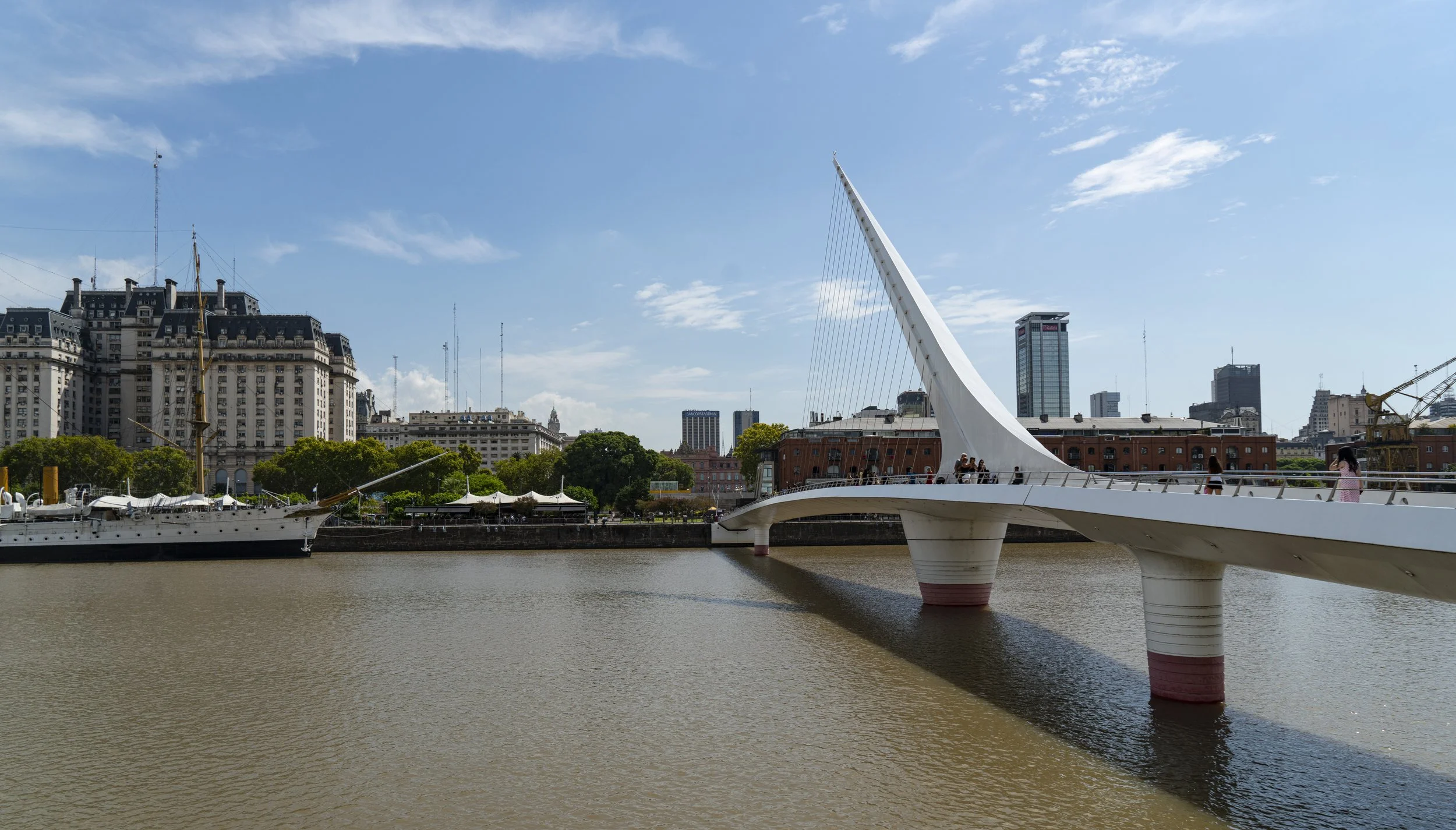
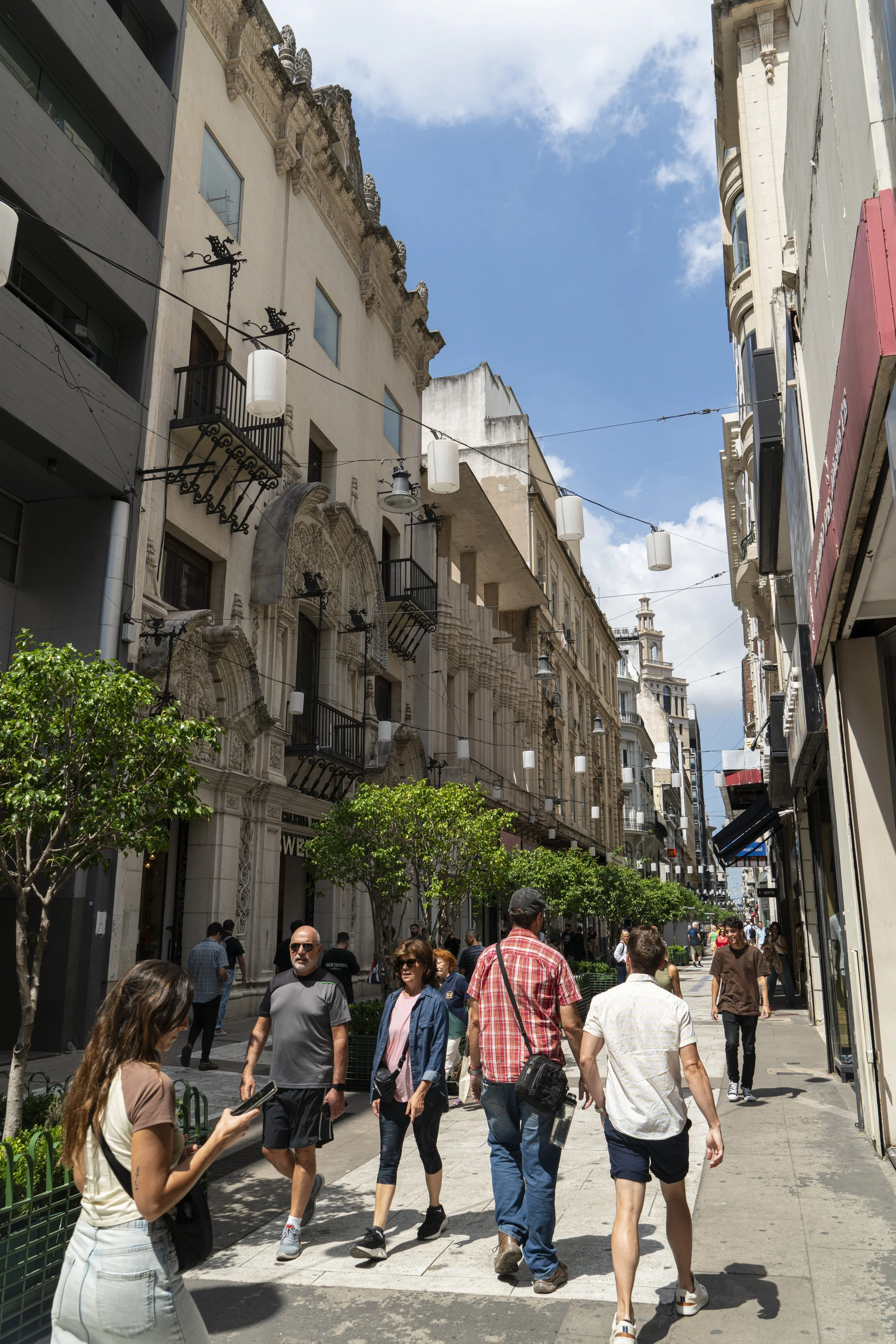
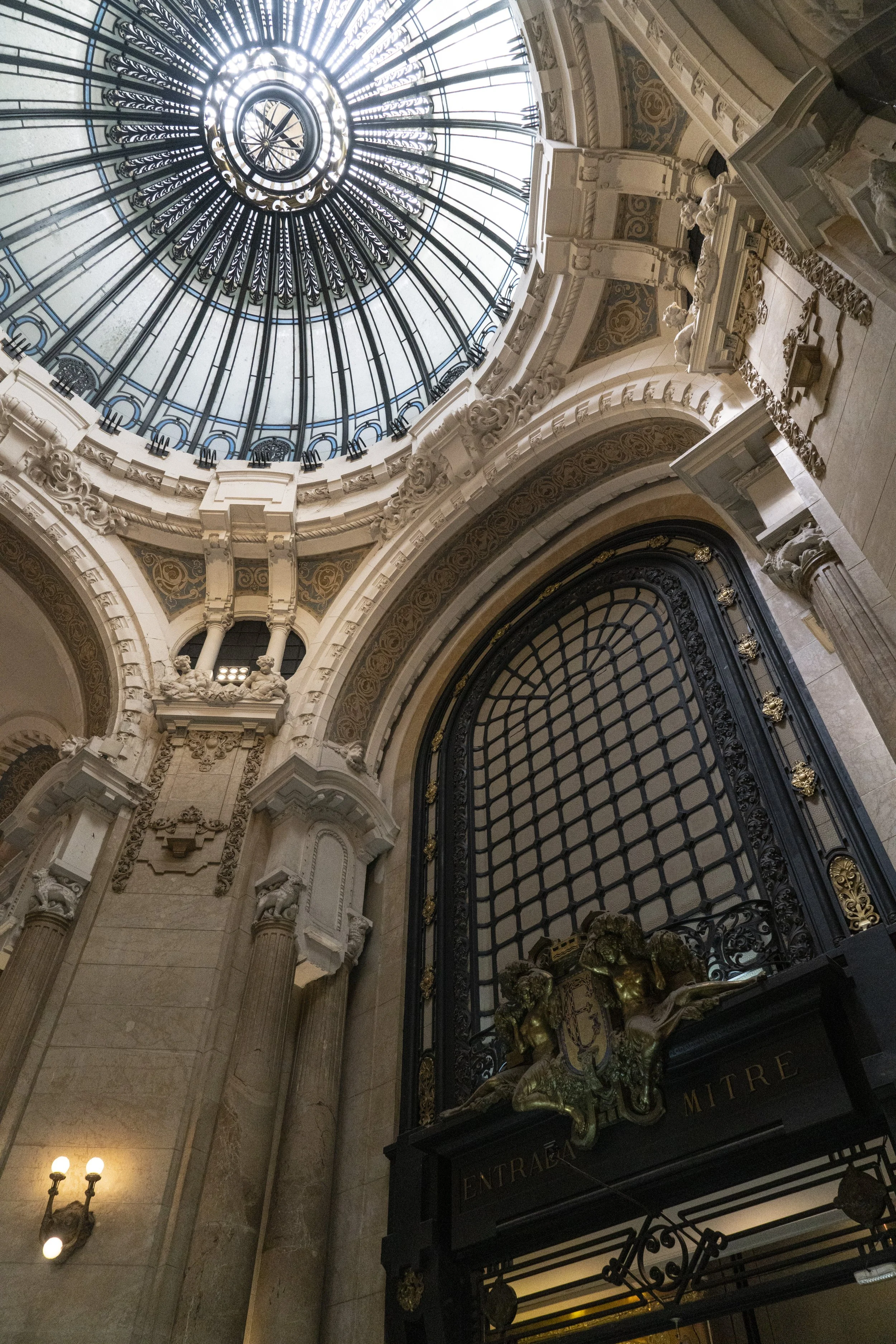
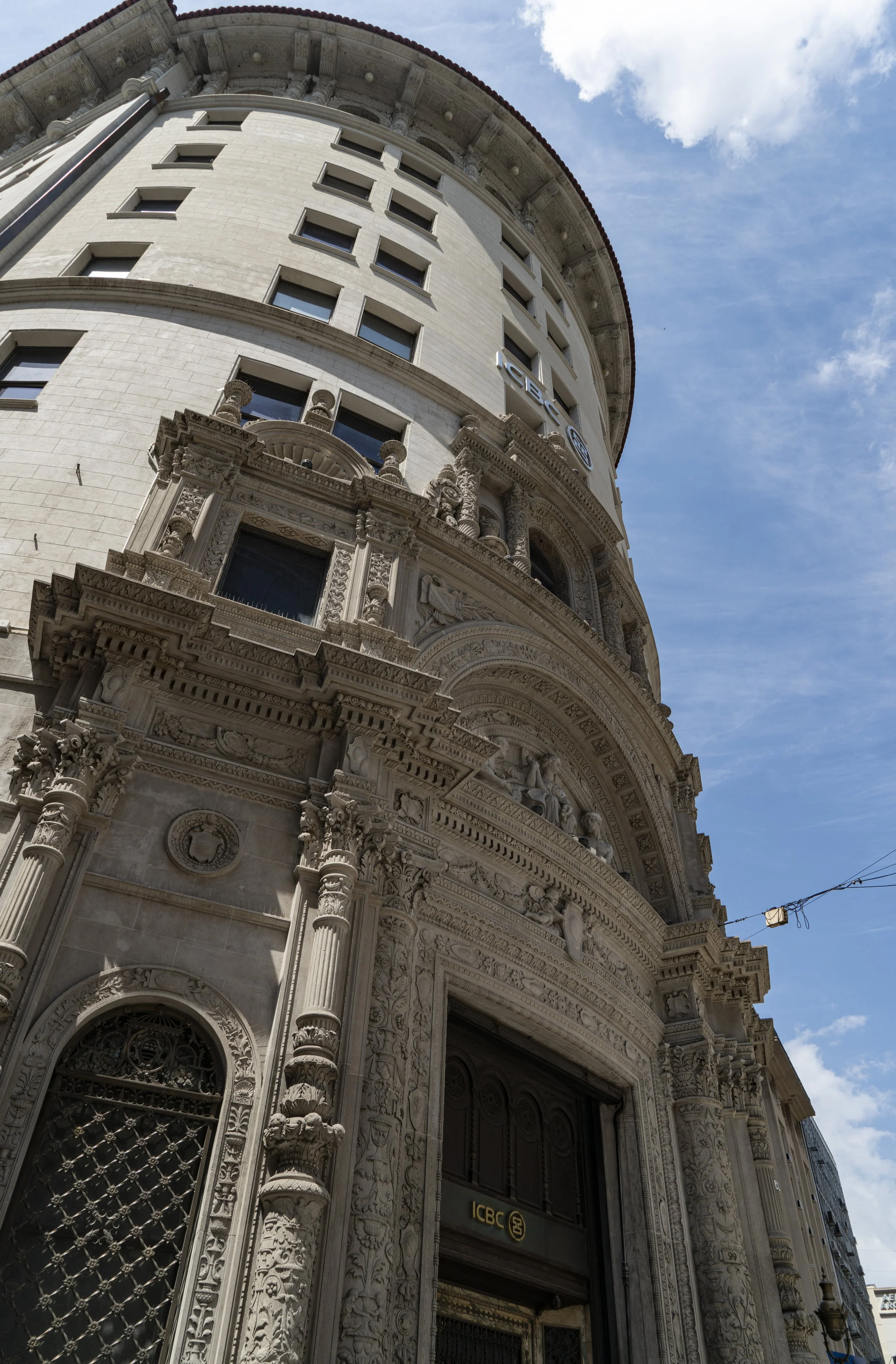
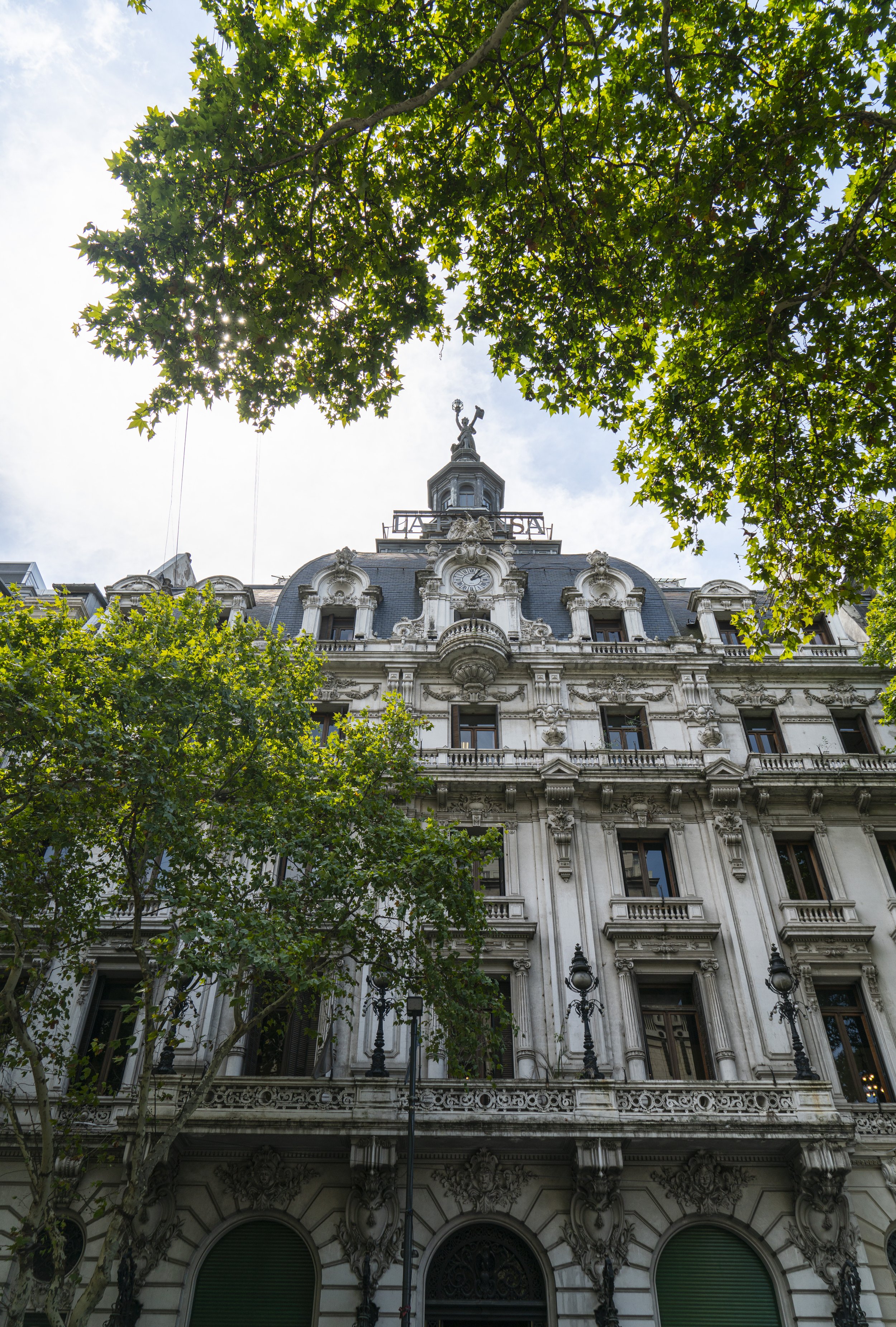
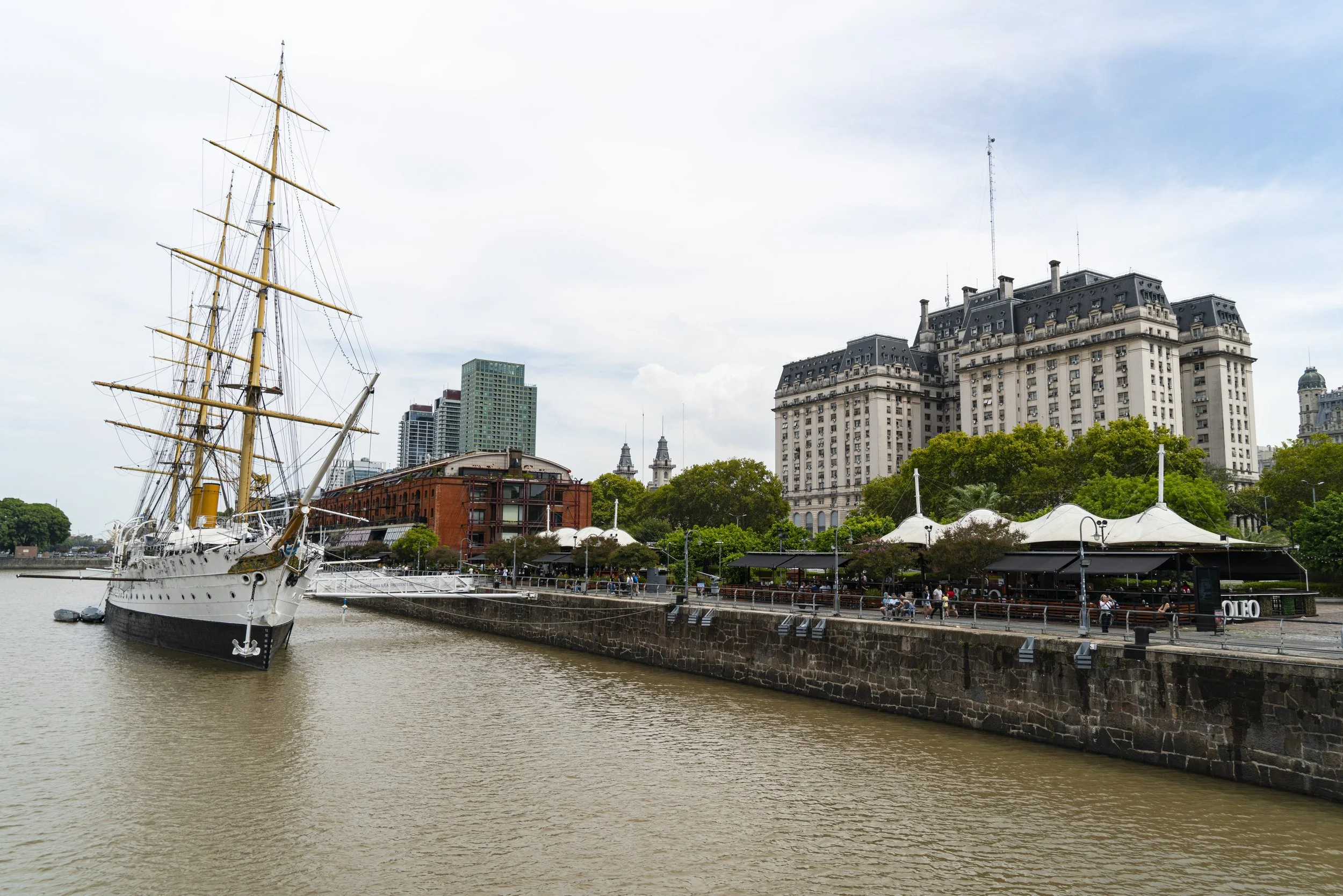
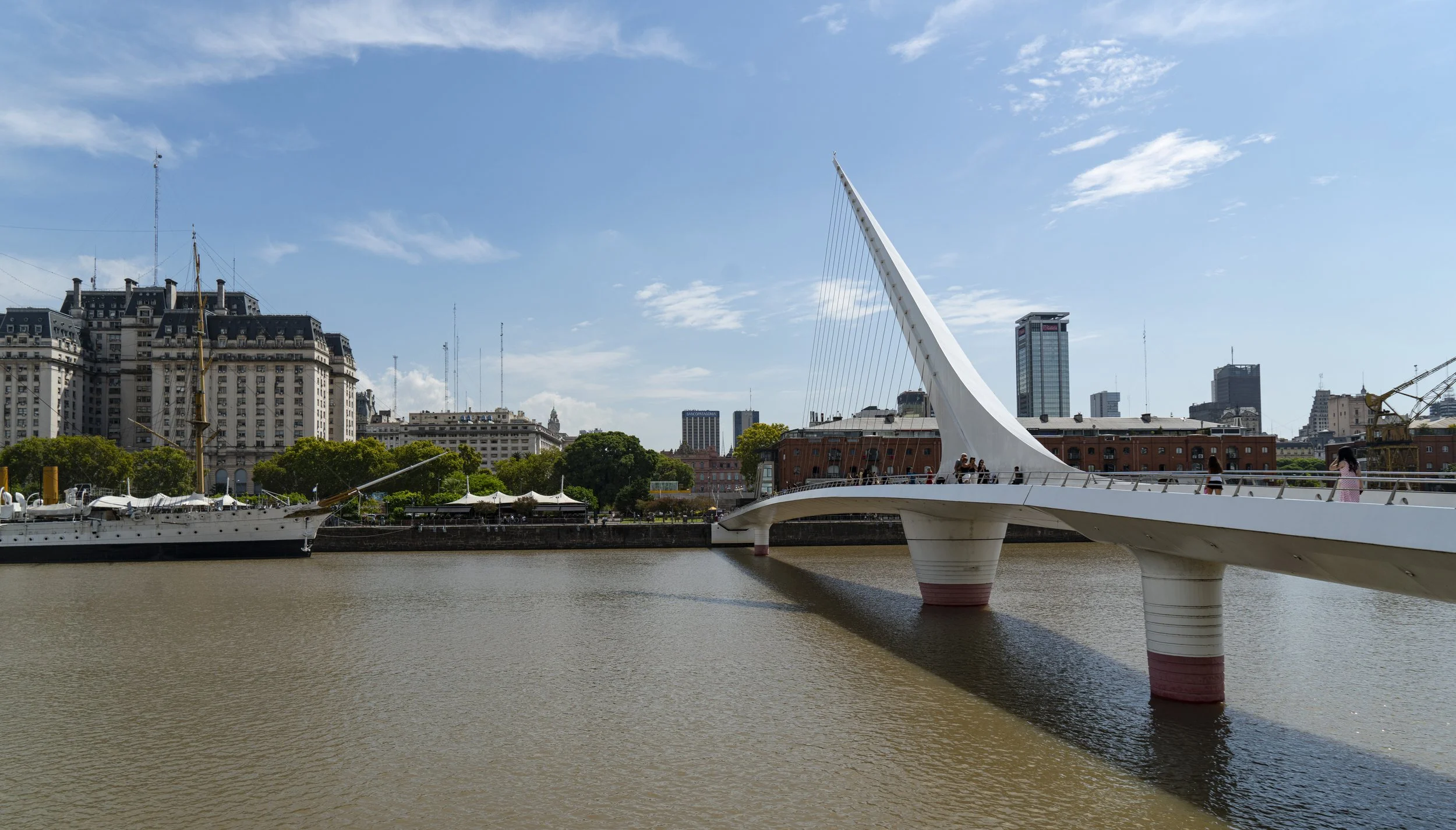
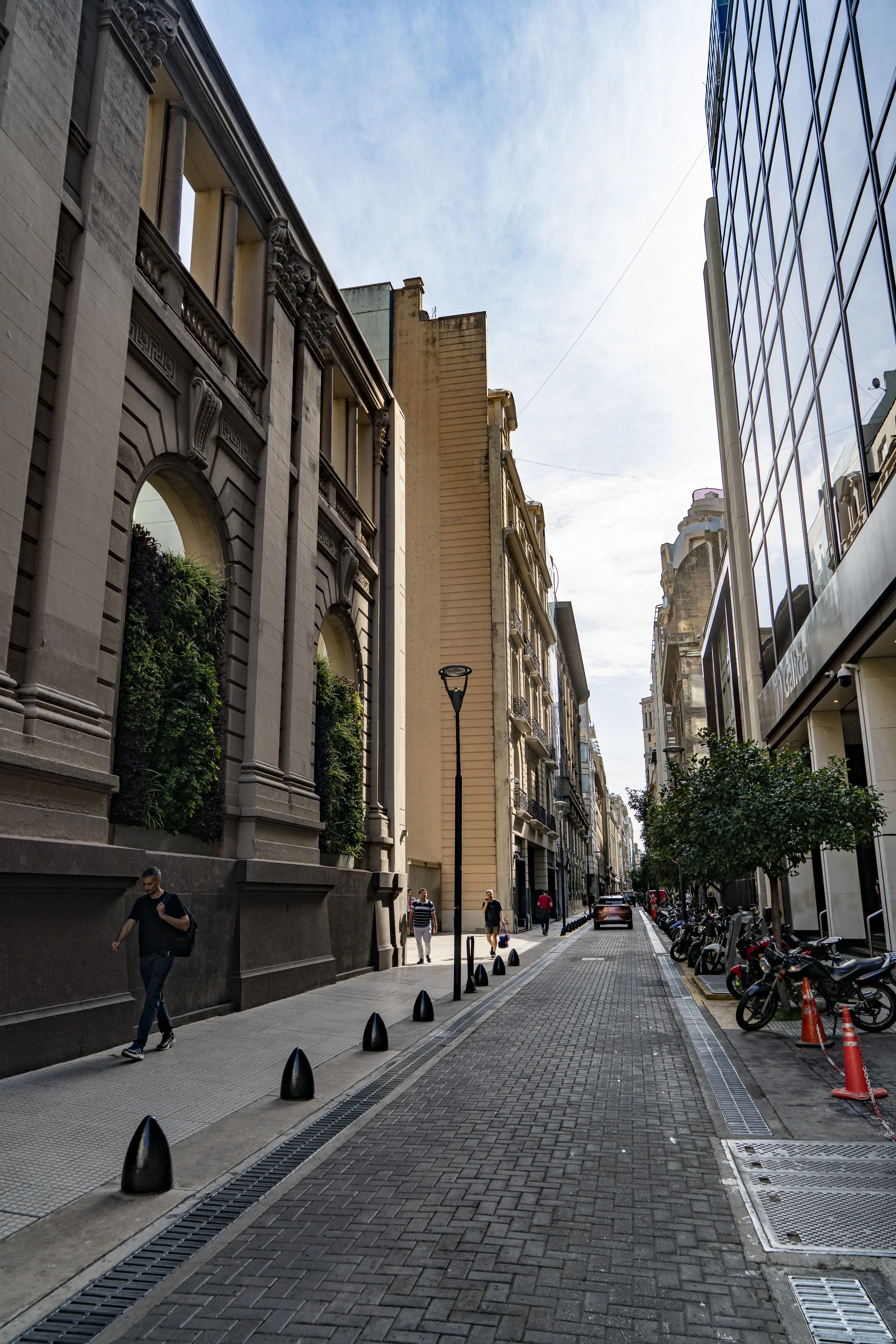
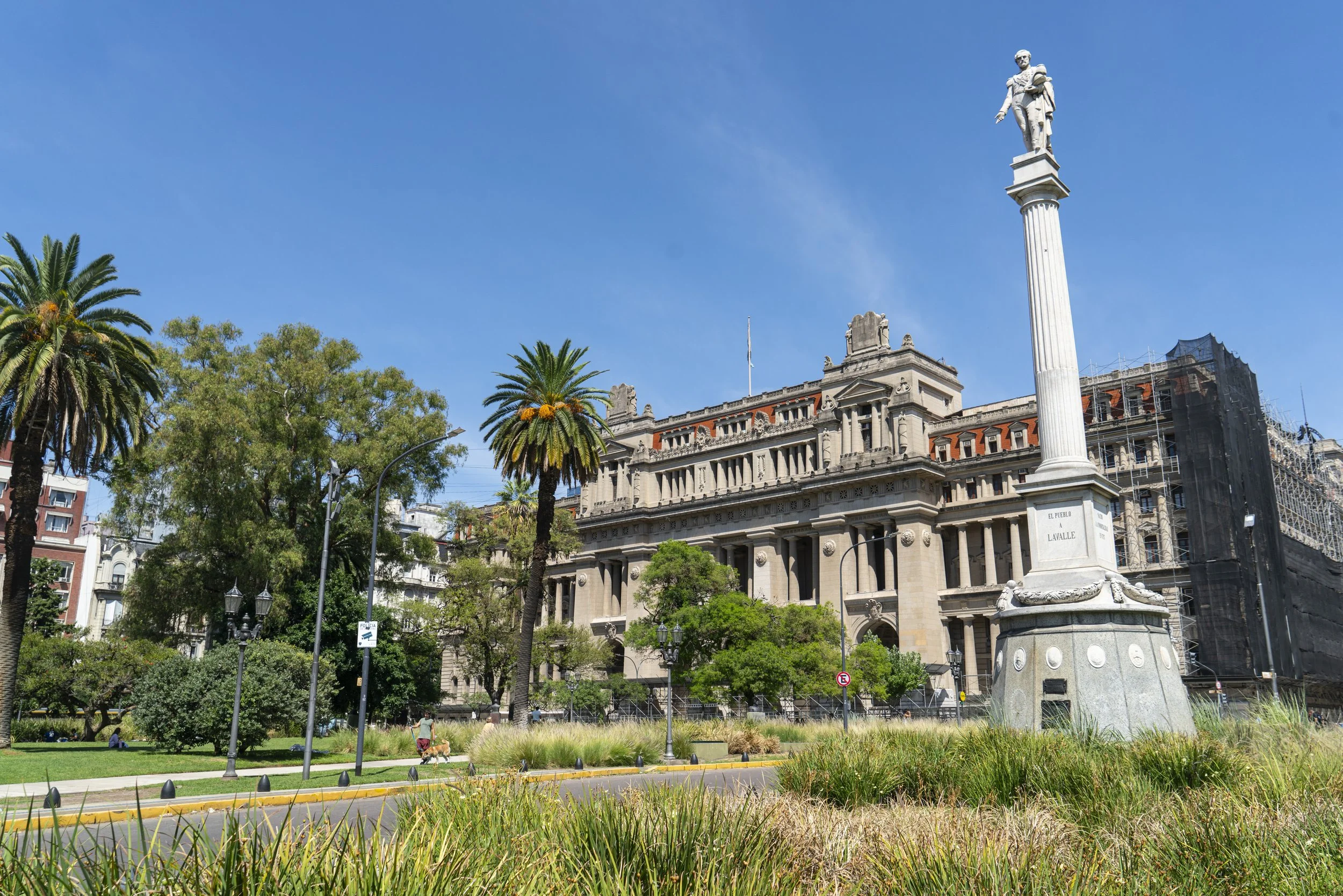
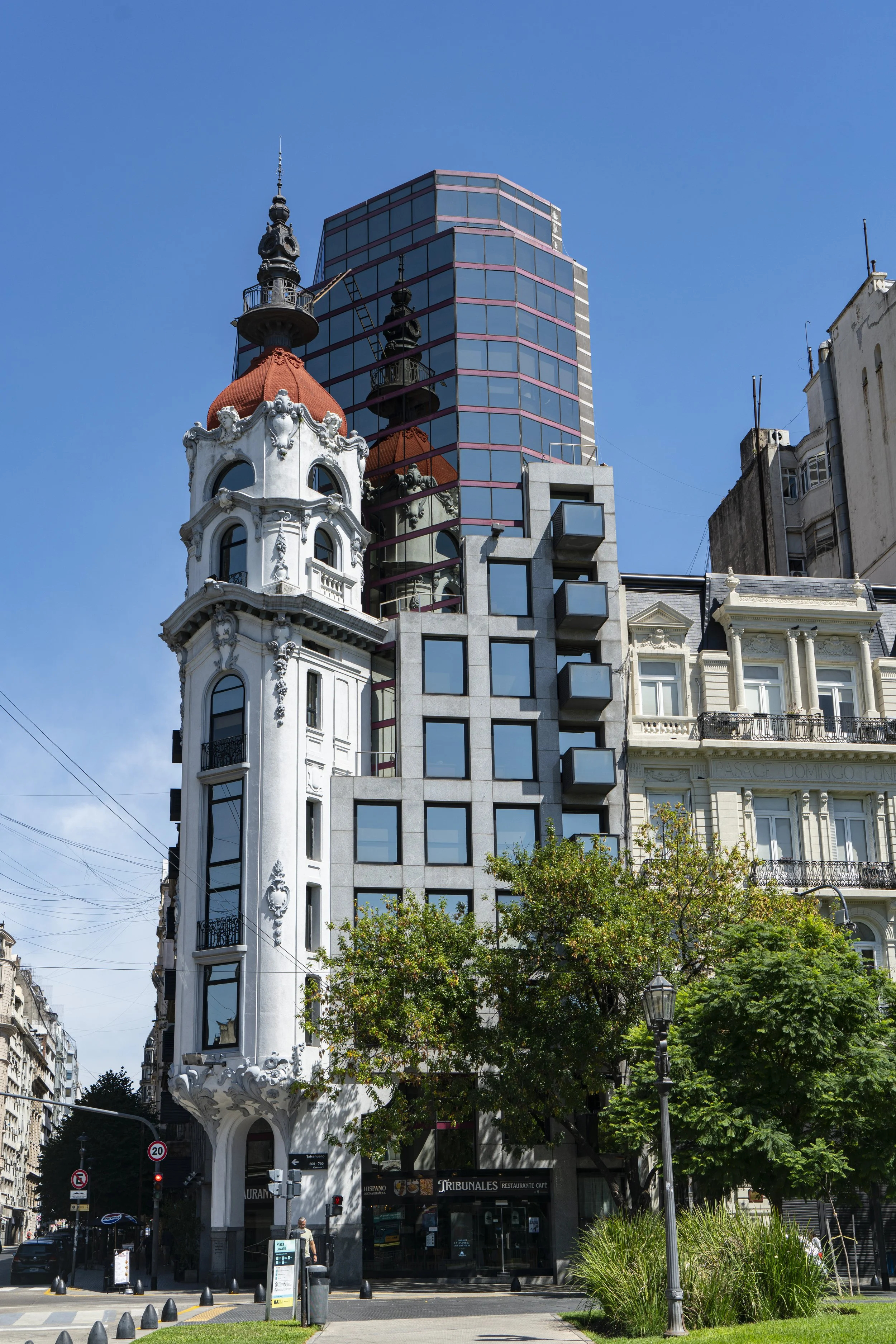
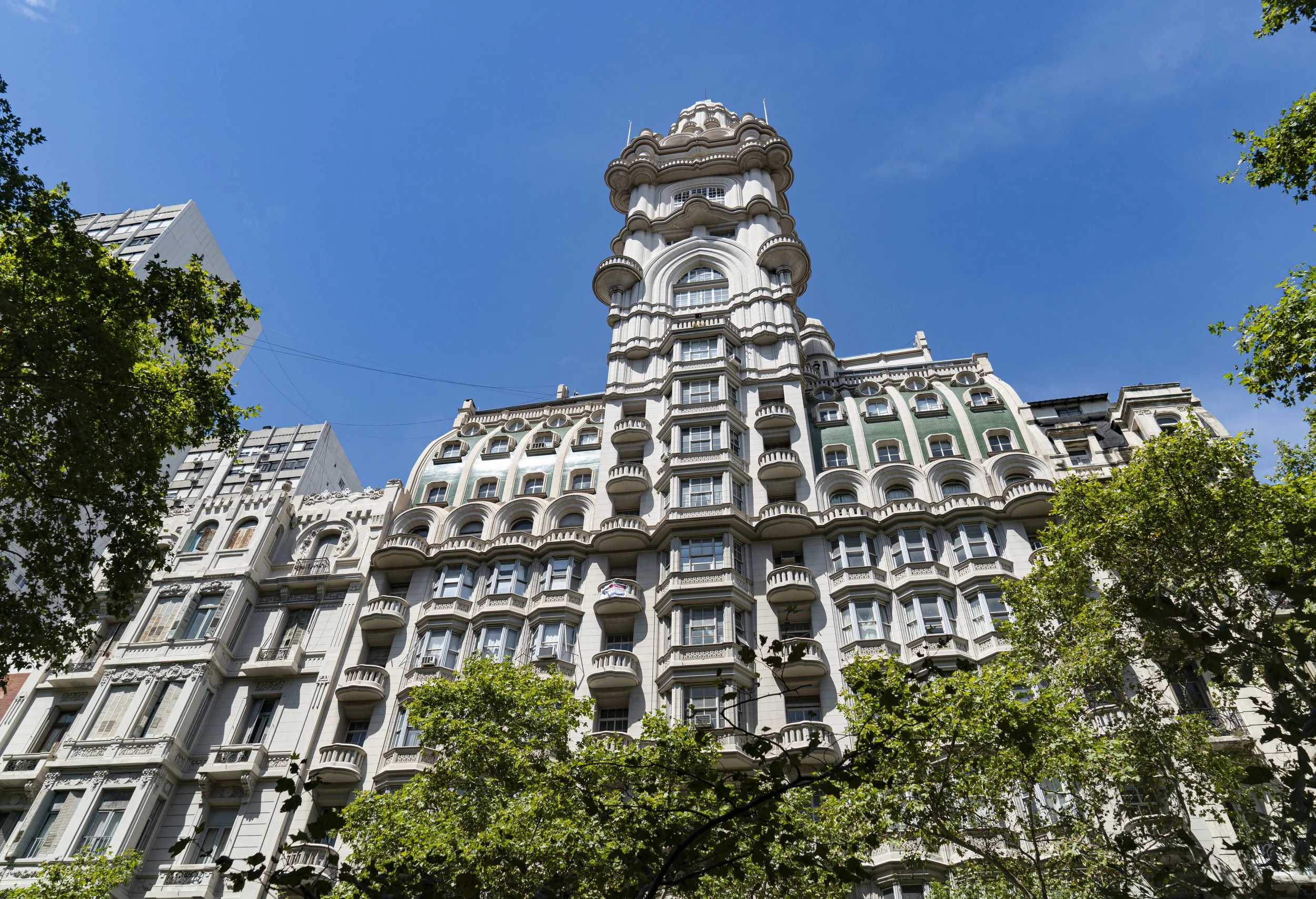
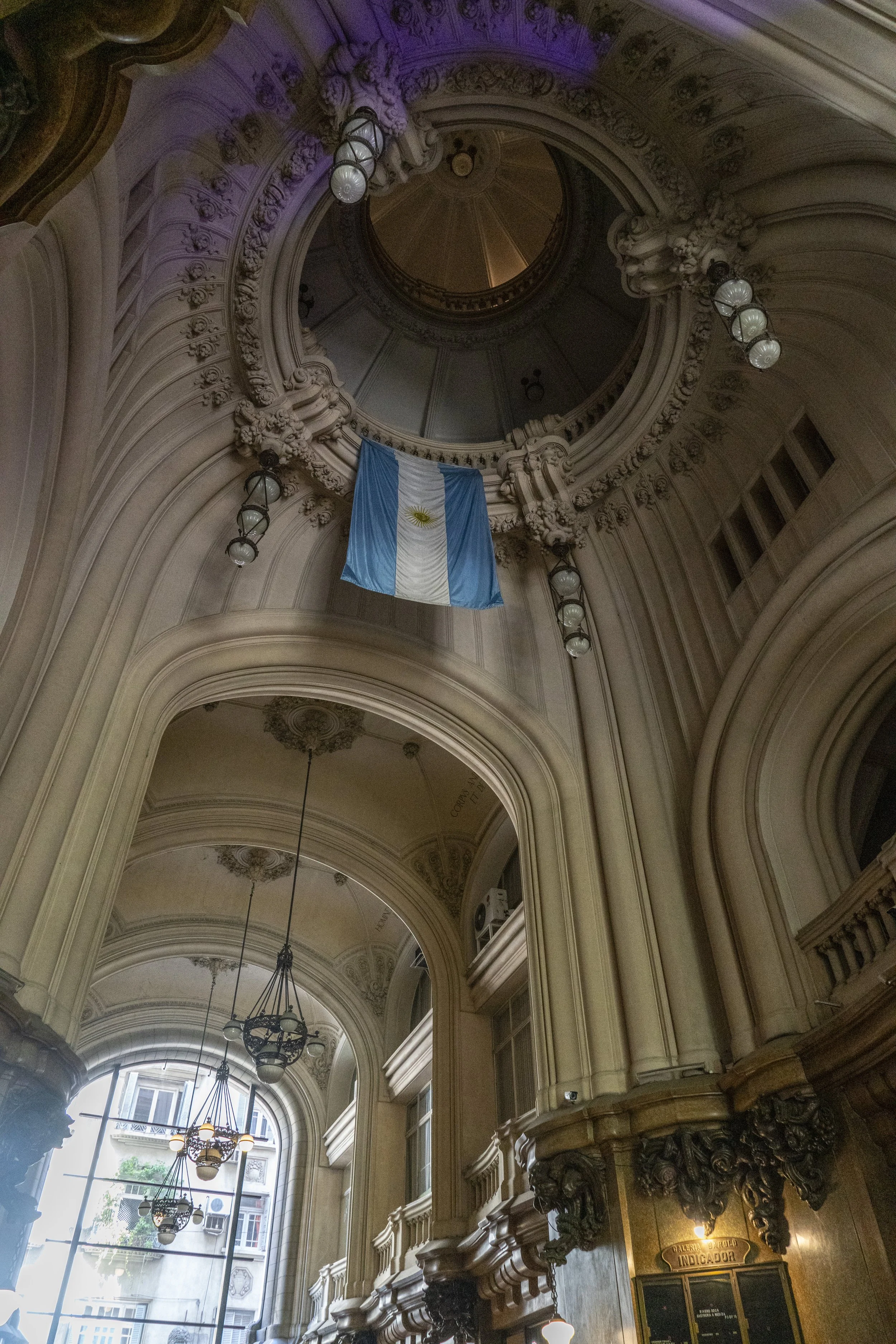
We walked through what used to be Buenos Aires main commercial and banking district, peering up at the grand, ornate buildings and galleries, many of which were surprisingly deserted. We concluded our tour at the Puerto Madero, where we decided to cross the river (upon Andre’s recommendation) and grab ourselves a spot of lunch from one of the food stands there. We sampled choripan: grilled chorizo sausage served in a crusty bread roll with chimichurri sauce, with a host of other toppings available. Despite being a comically gigantic sandwich, it was delicious!
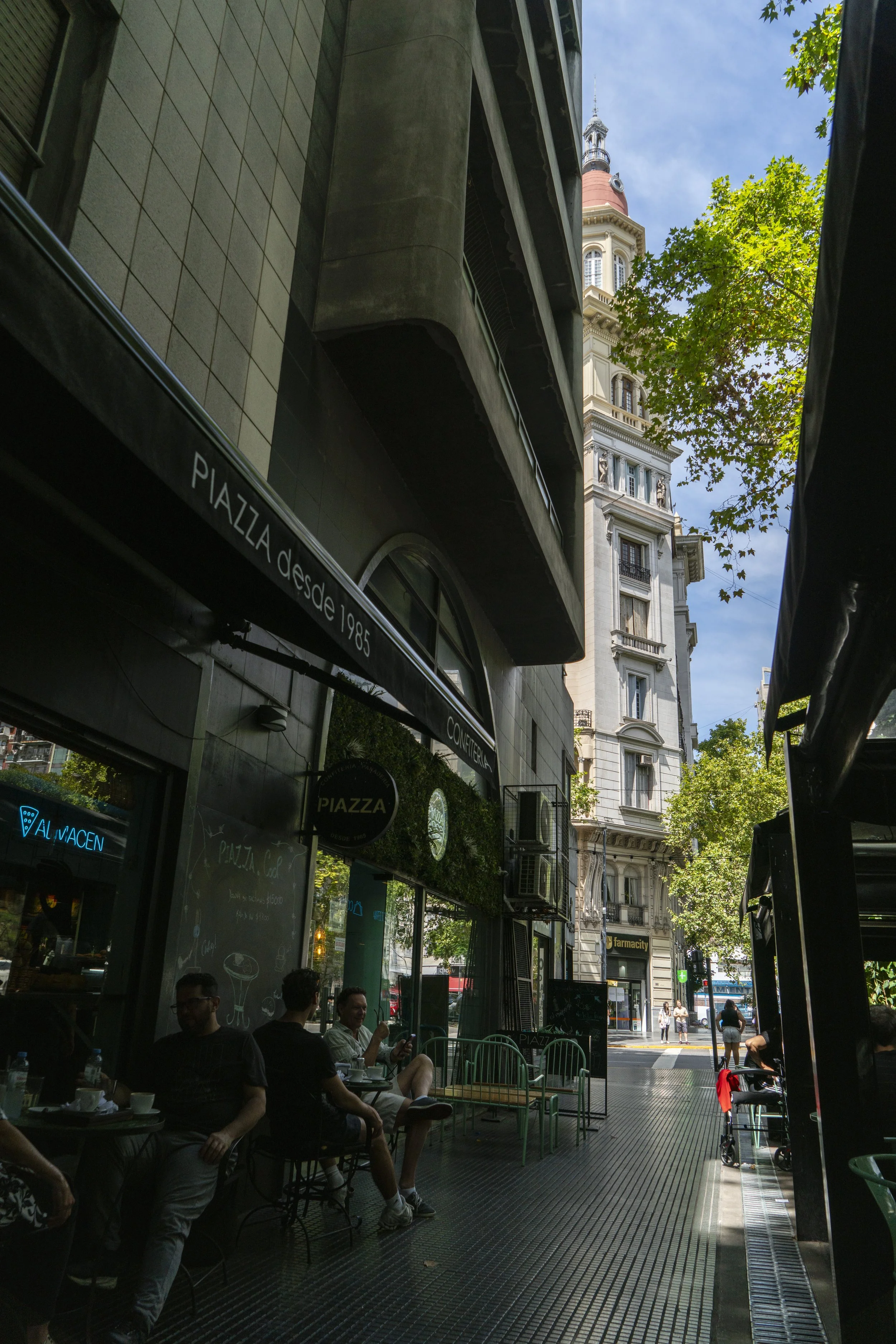
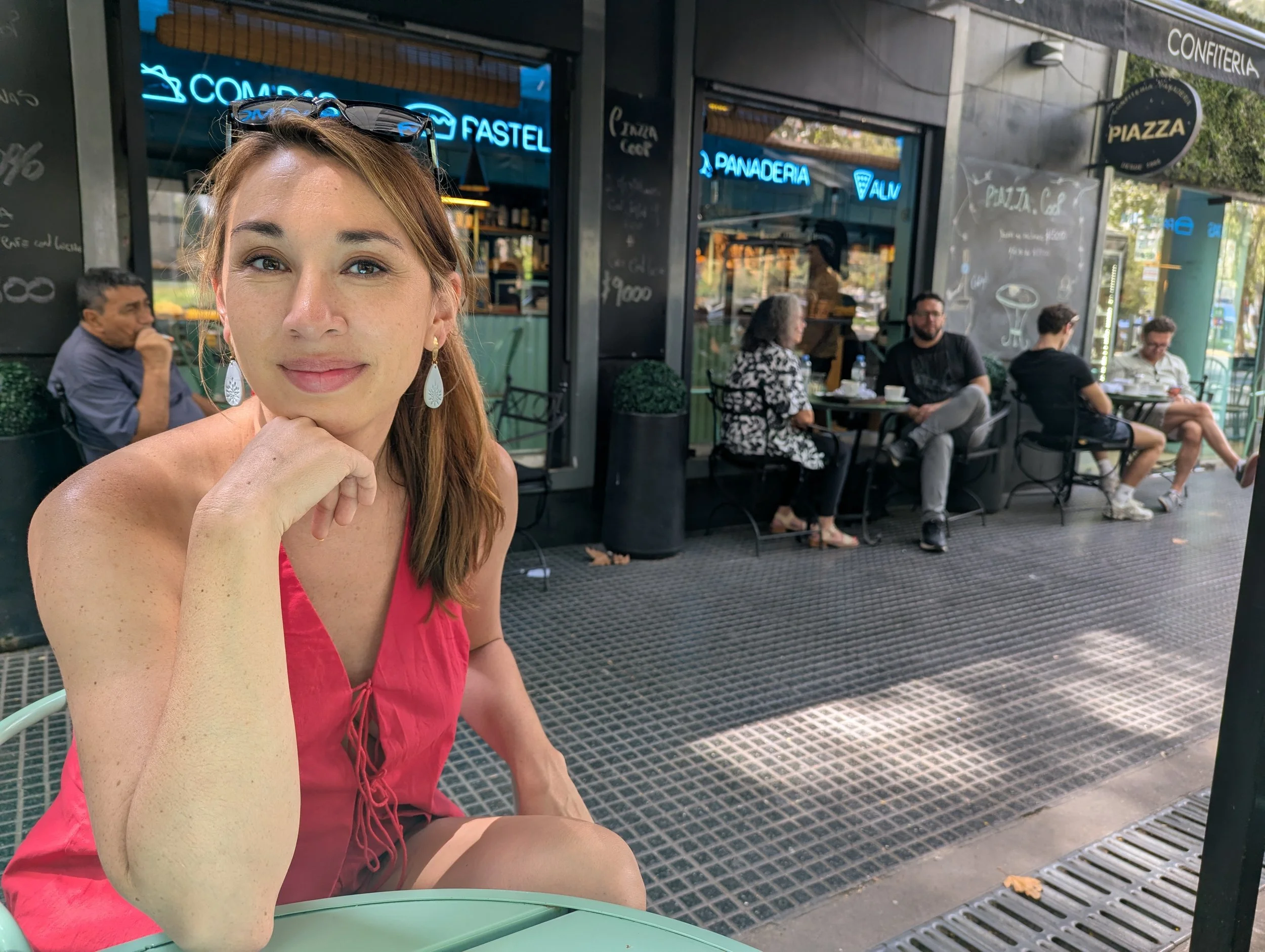
We returned to this part of town several times over the course of our stay in Buenos Aires. Much of that time was spent sampling food. Dave and I would often just zigzag across streets, stopping in at one bakery to try a pastry (many pastries were consumed on this trip), and then spotting another place across the street for an empanada, and then back across for a coffee. Dave’s heuristic for the quality of an establishment was a kind of ‘old person barometer’: if it was frequented by elderly ladies, or it looked like “an old man spot” (that is, aesthetically frozen in time from the 1970s or earlier), then it must be good. No sleek modern cafes for us!
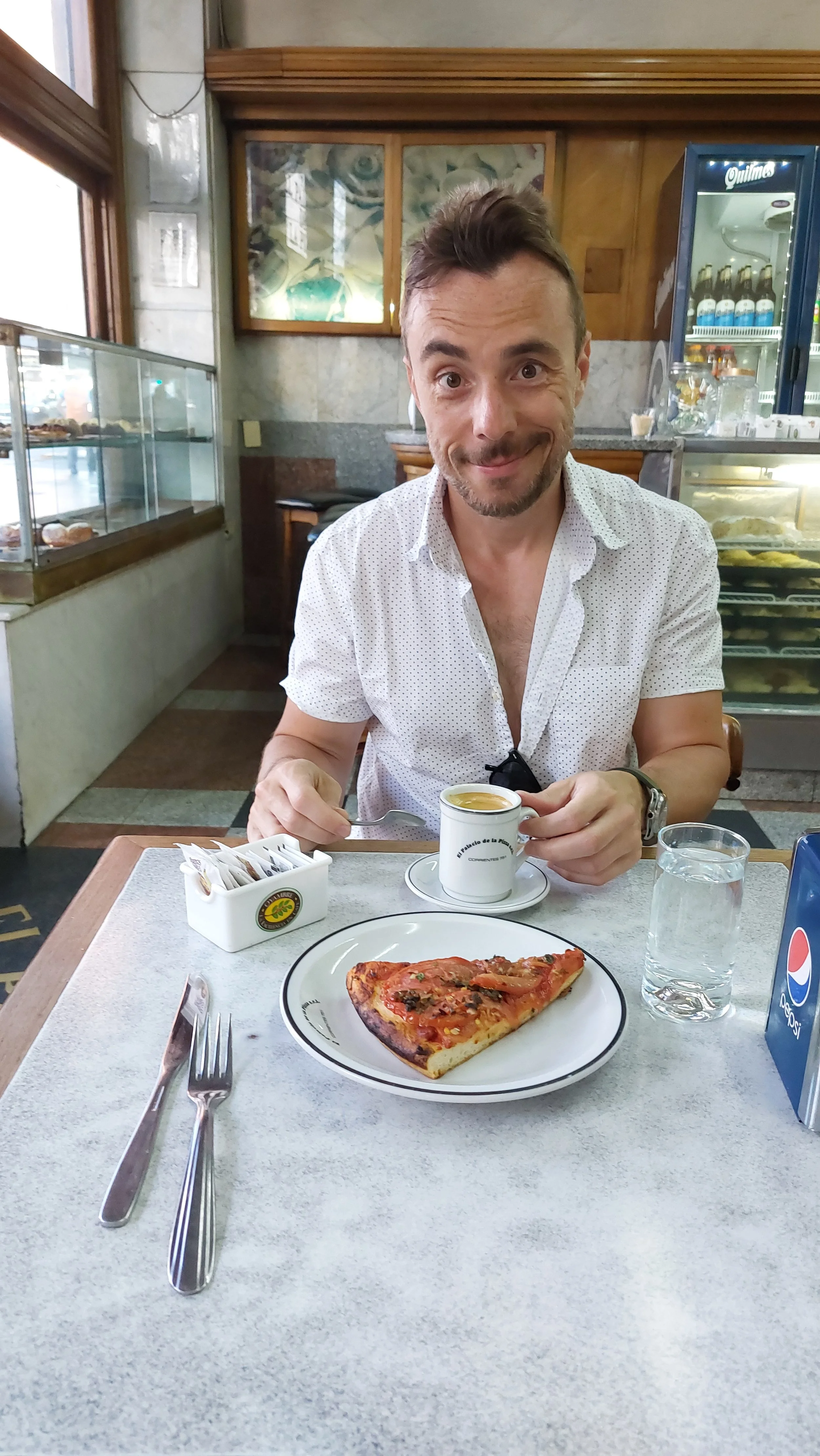
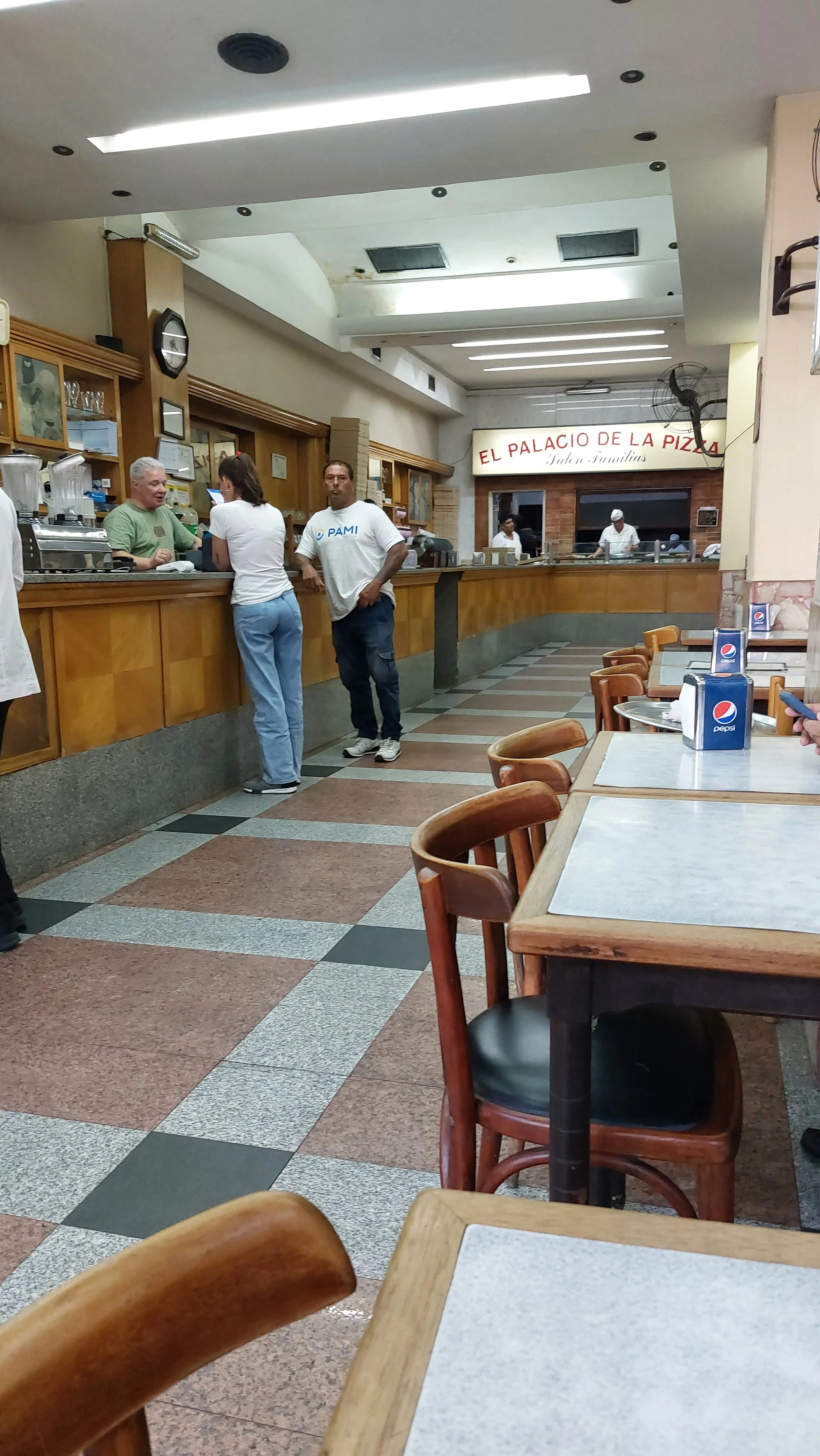
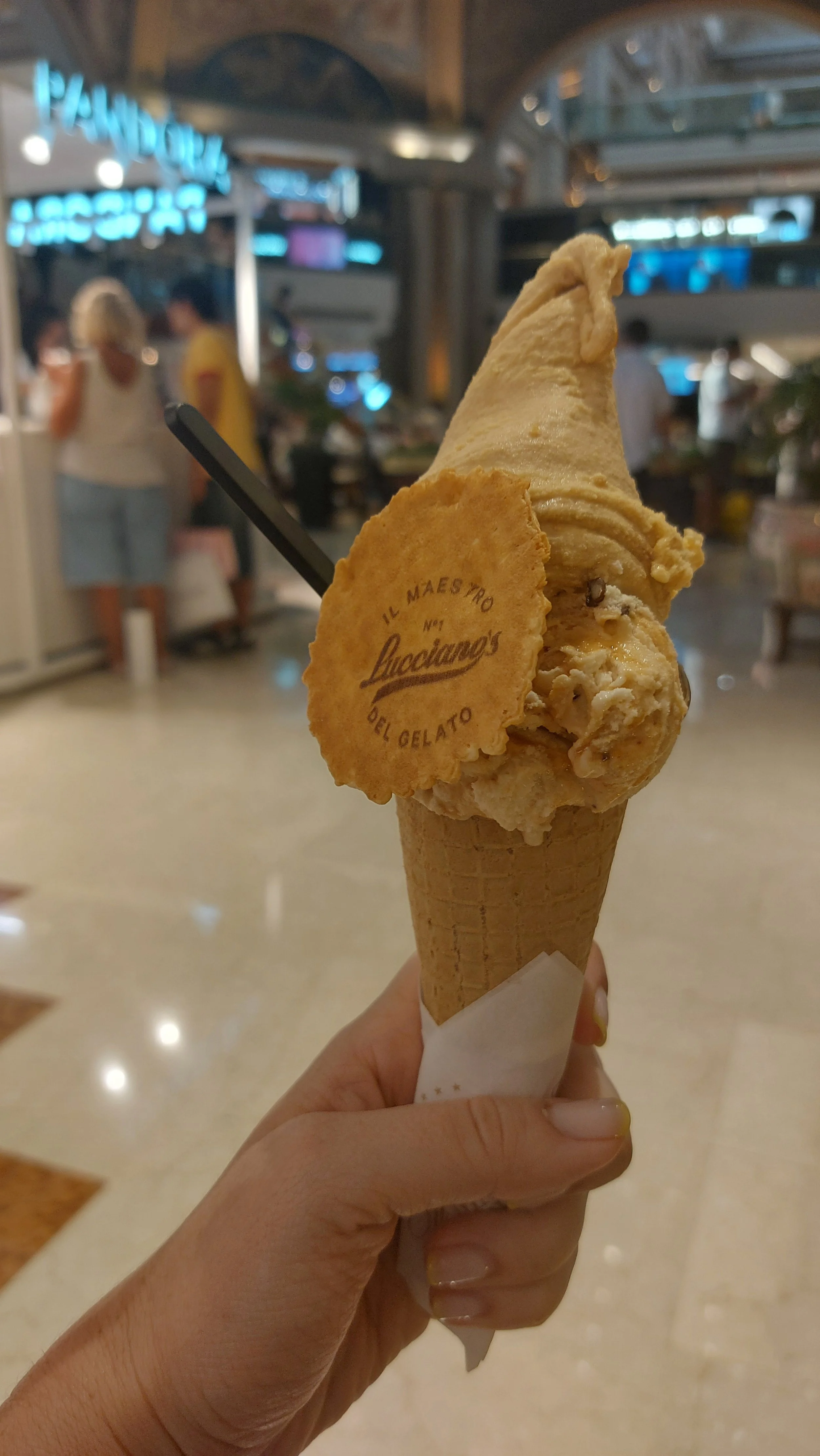
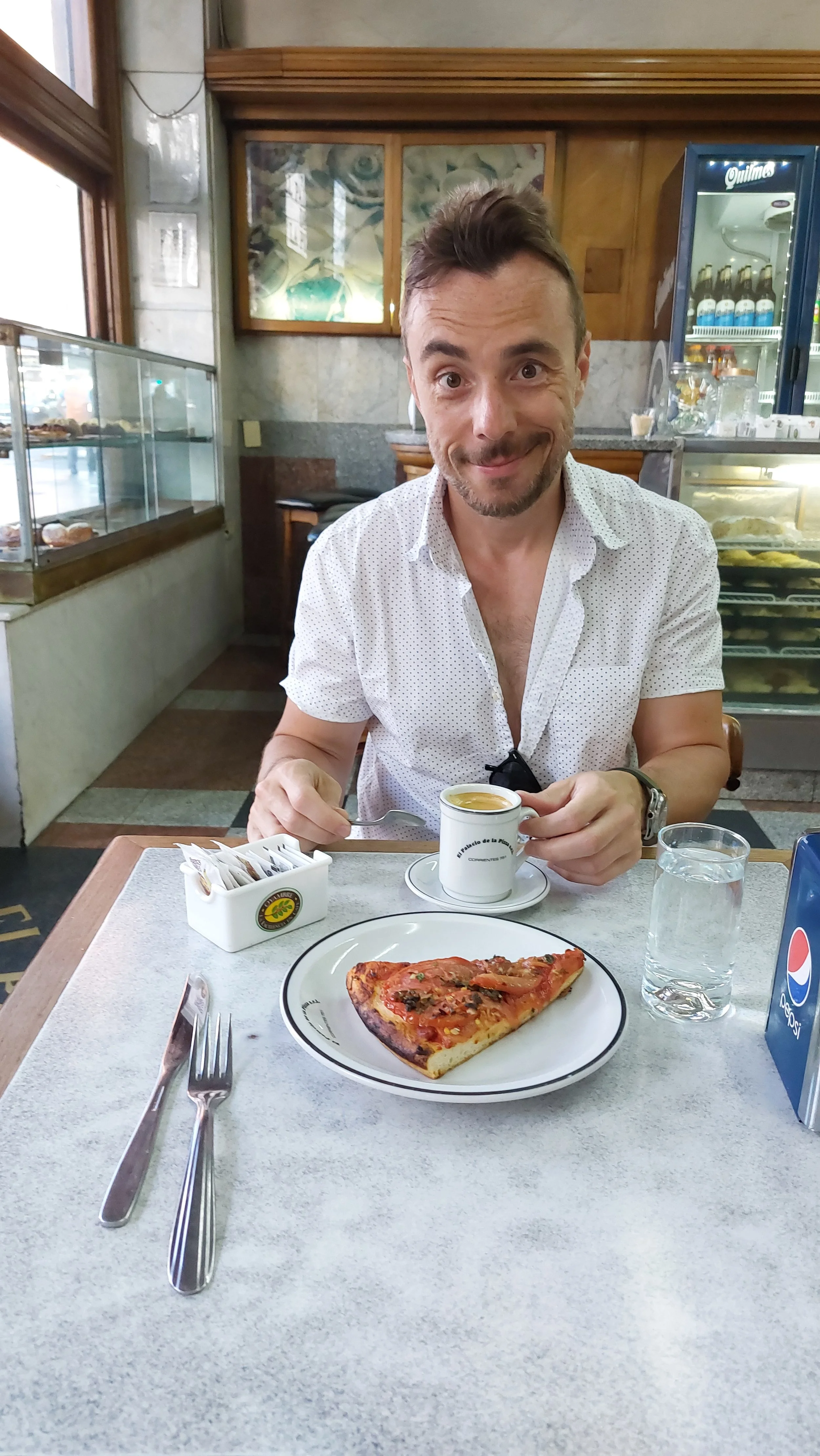
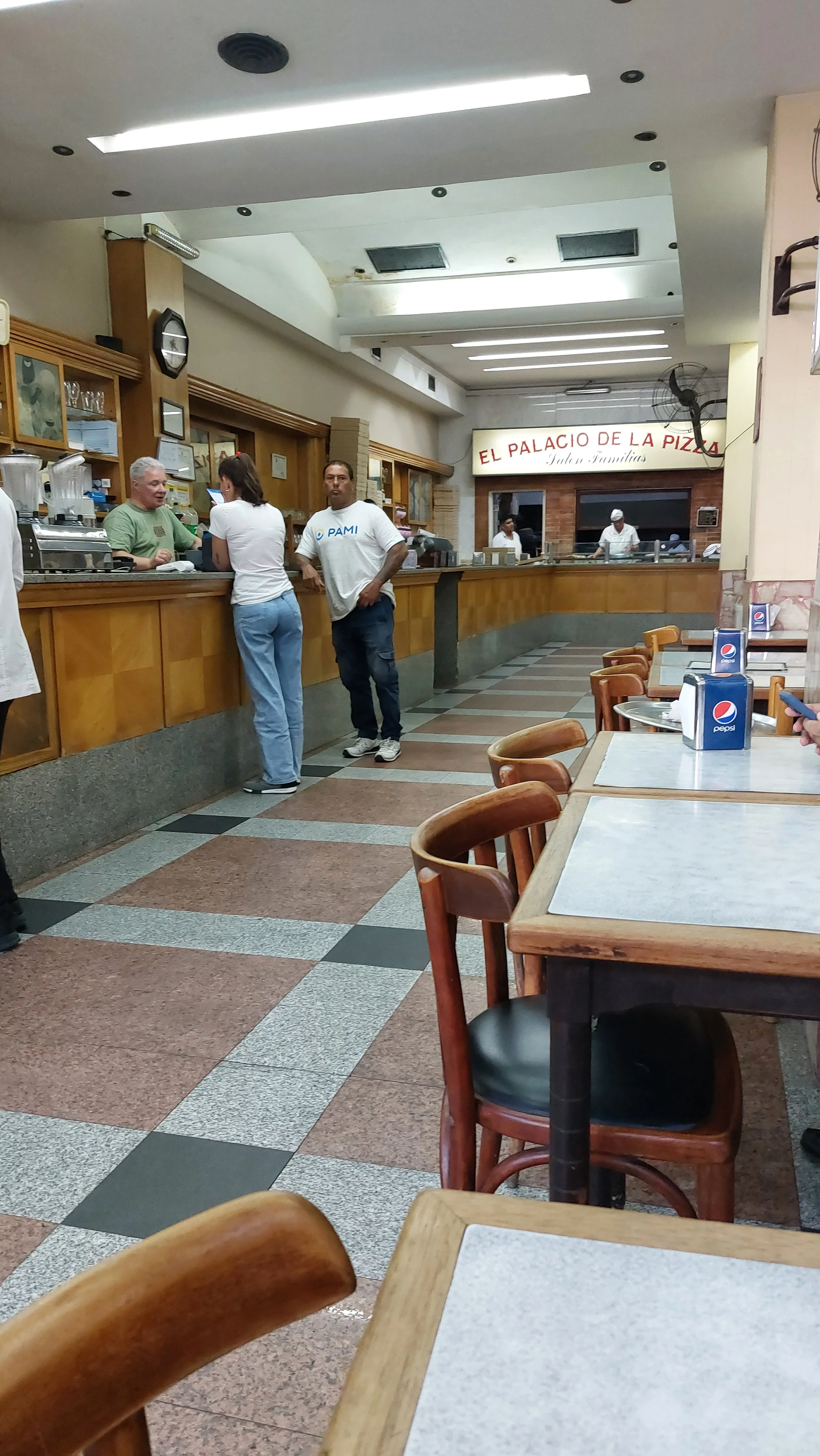
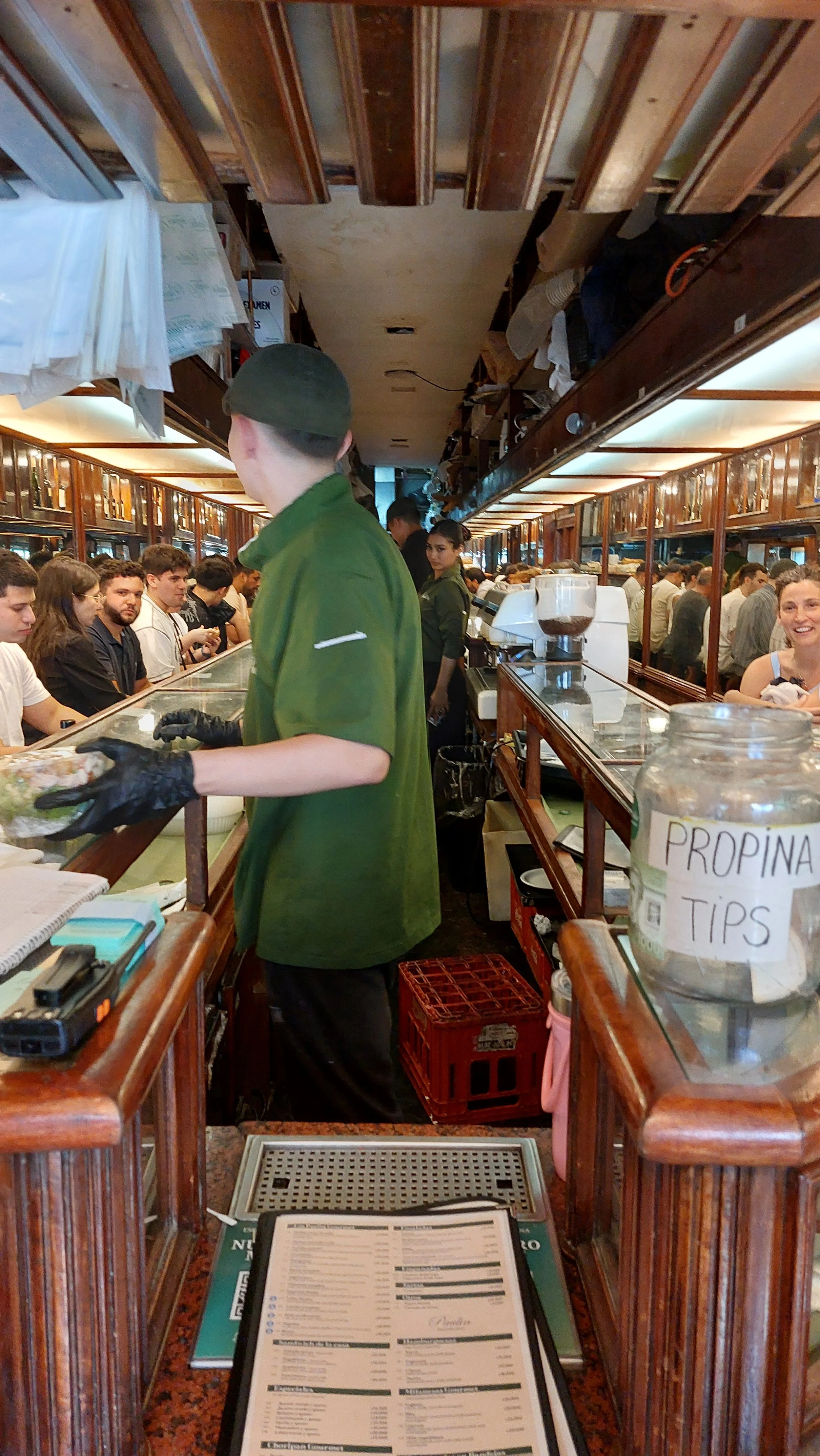
Some of our gastronomical highlights included grabbing pizza at El Palacio de la Pizza, serving pizza from 1956 (and looked essentially untouched since then). I tried fugazetta, an Argentinian special, where cheese is baked between two pizza crusts and topped with onions. Our tour guide also recommended trying ‘flying’ sandwiches at Café Paulín. It’s a charming, old-school spot, with essentially a long bar lined with rickety bar stools, where sandwiches dramatically fly down the counter at high speeds, often shedding bits of sandwich and fries as they go. We sampled a considerable amount of gelato during our time in South America. Given that there are apparently 20 million Italians in Argentina, it’s not surprising there are a plethora of gelaterias. The winner for us was Lucciano’s: their tiramisu gelato was so good, I ordered it on multiple occasions. Even Dave, with his well-honed Italian palate trained on a lifetime of tiramisu consumption, agreed it was perfetto.
Palermo
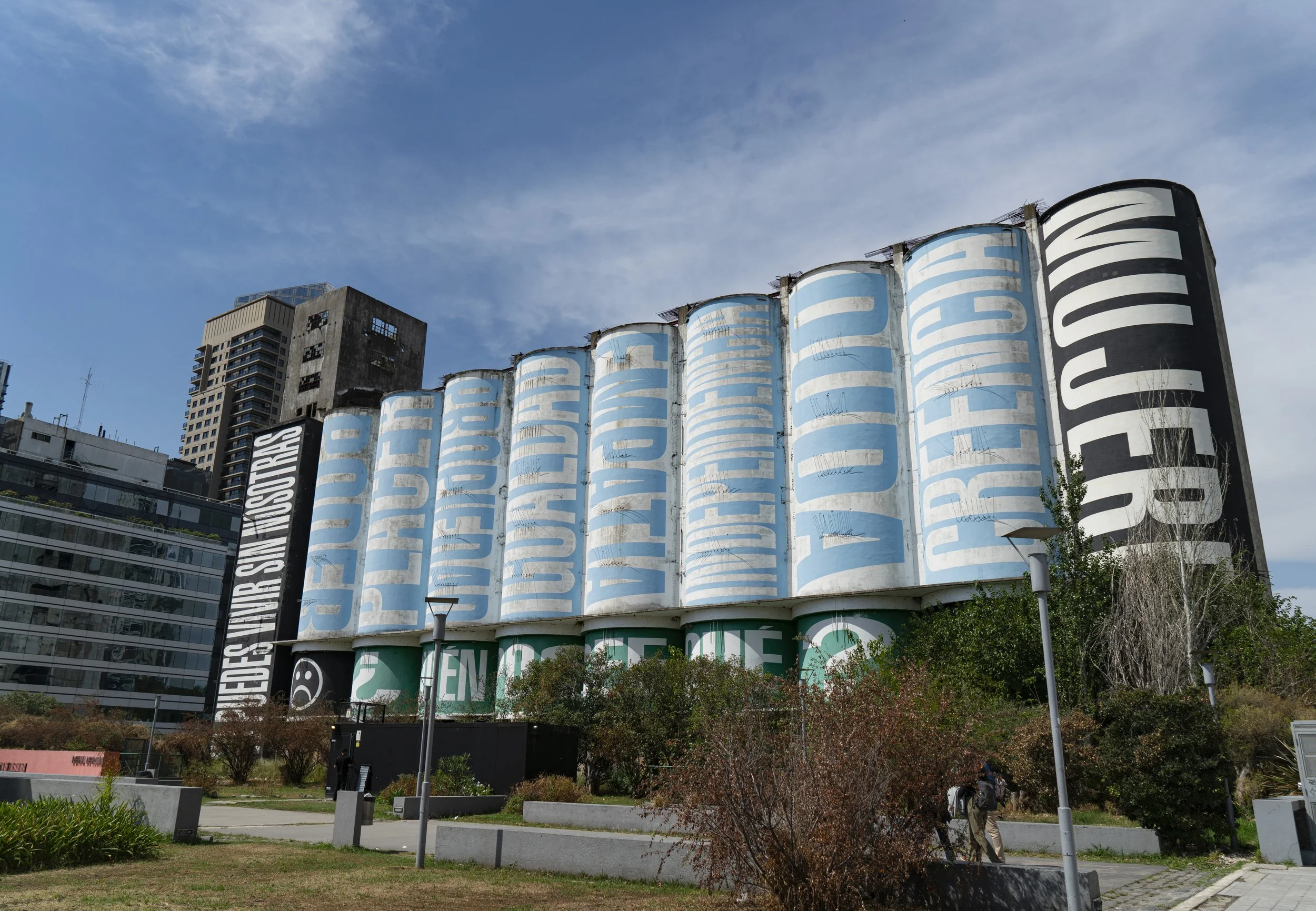
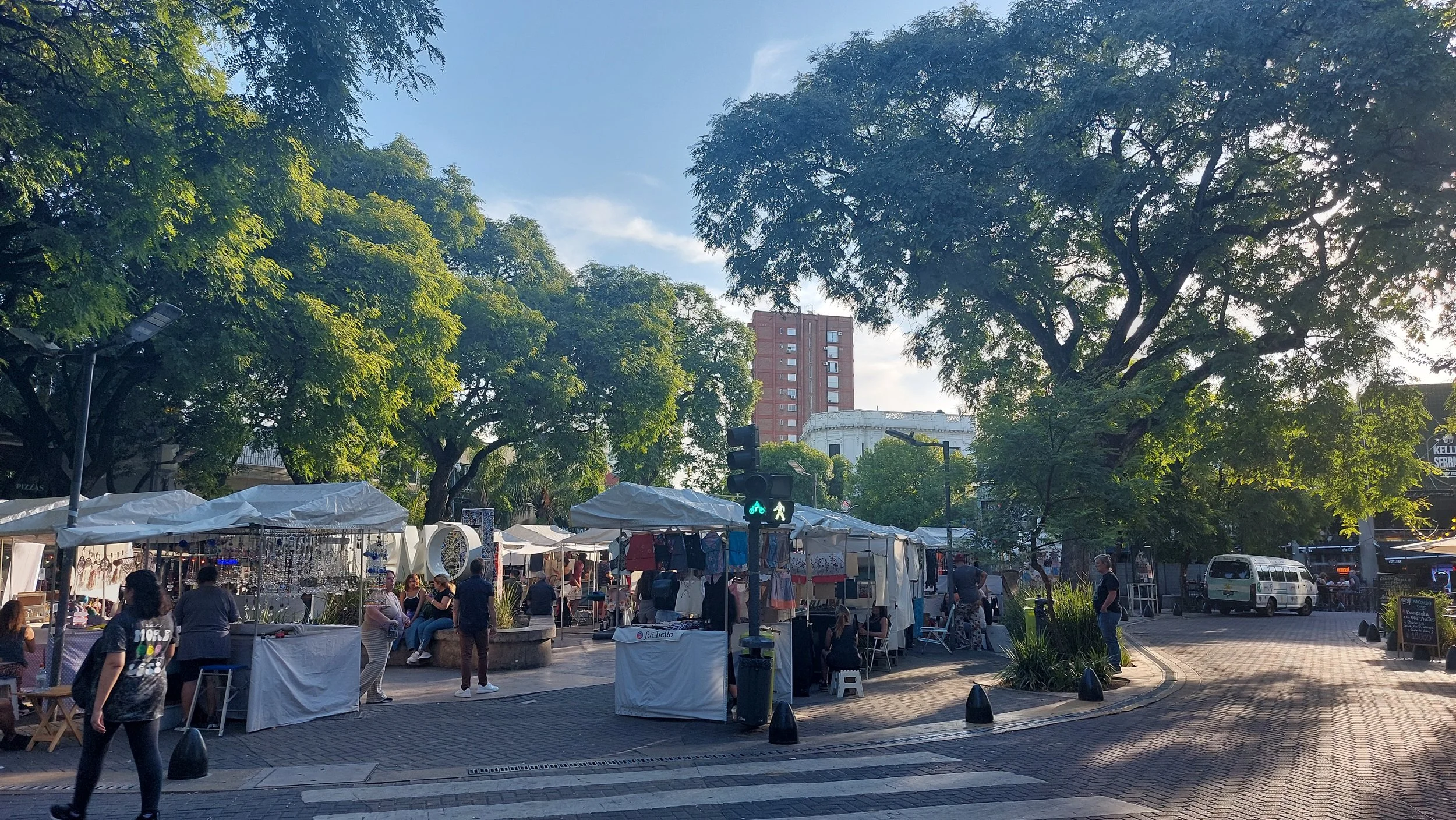
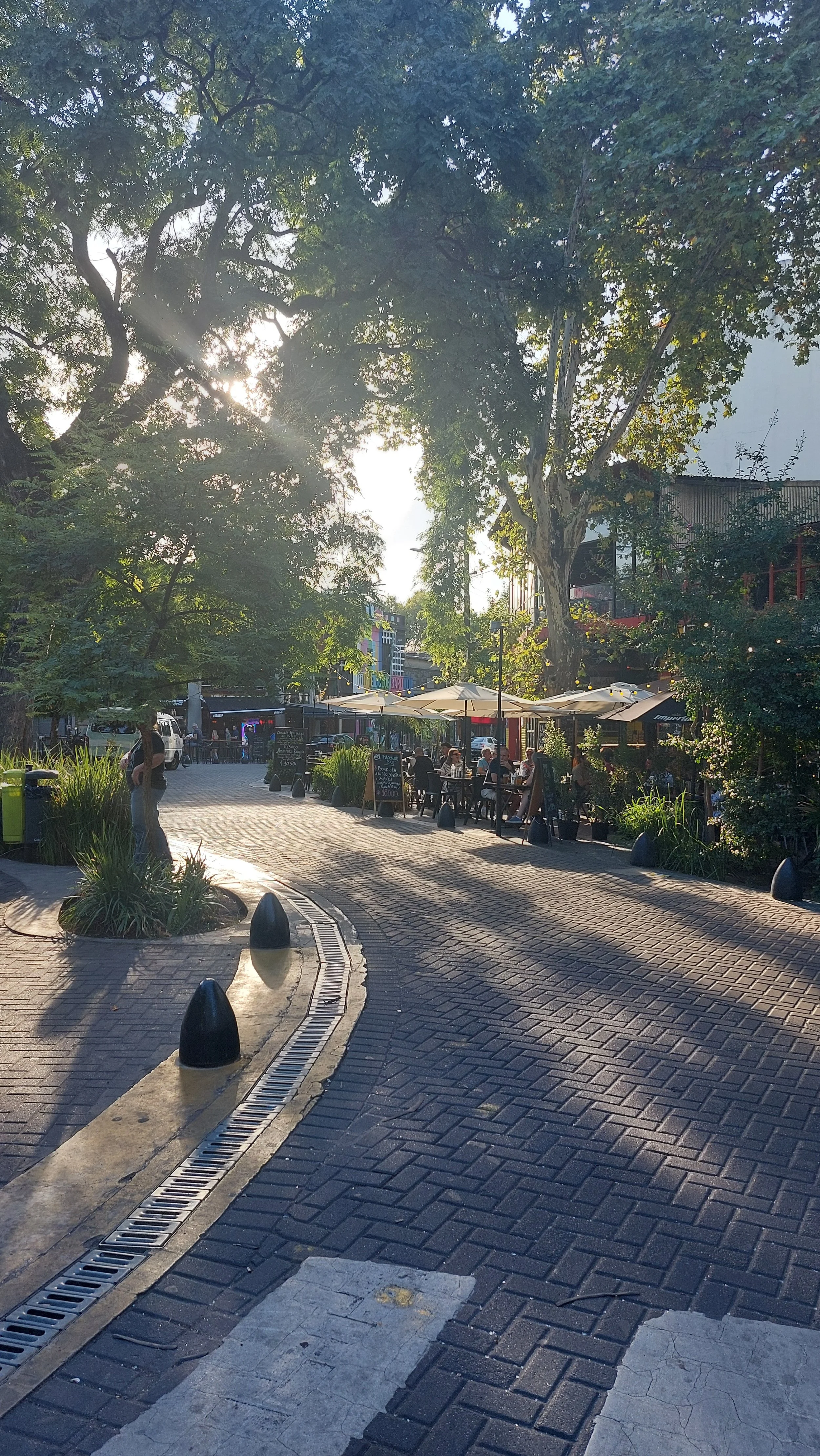
We spent several nights dining and wandering the streets of Palermo, in particular Palermo Soho, known for being a hip, fashionable area with many bars and restaurants. In the evening, upon disembarking at Plaza Serrano, you are almost immediately set upon by persistent individuals looking to entice you into eating at their establishment. I never tend to engage, always giving a polite head shake and firmly moving past, but Dave is too friendly to simply brush by. One gentleman wheedled him at length to consider their restaurant. When Dave tried to appease him by saying we’d come by after, he somewhat indignantly declared ‘qué after?!’ (what after), which amused us to no end.
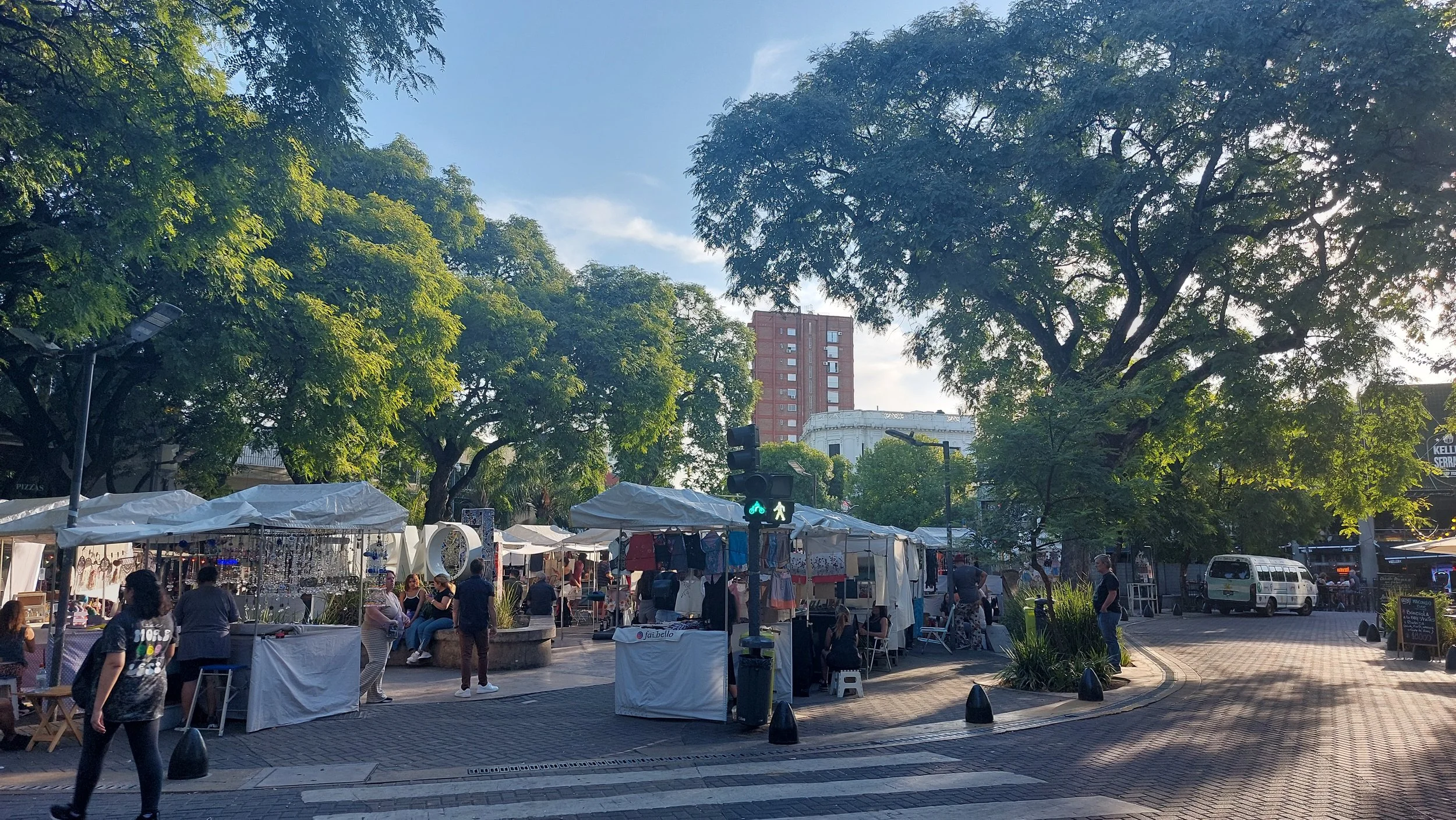
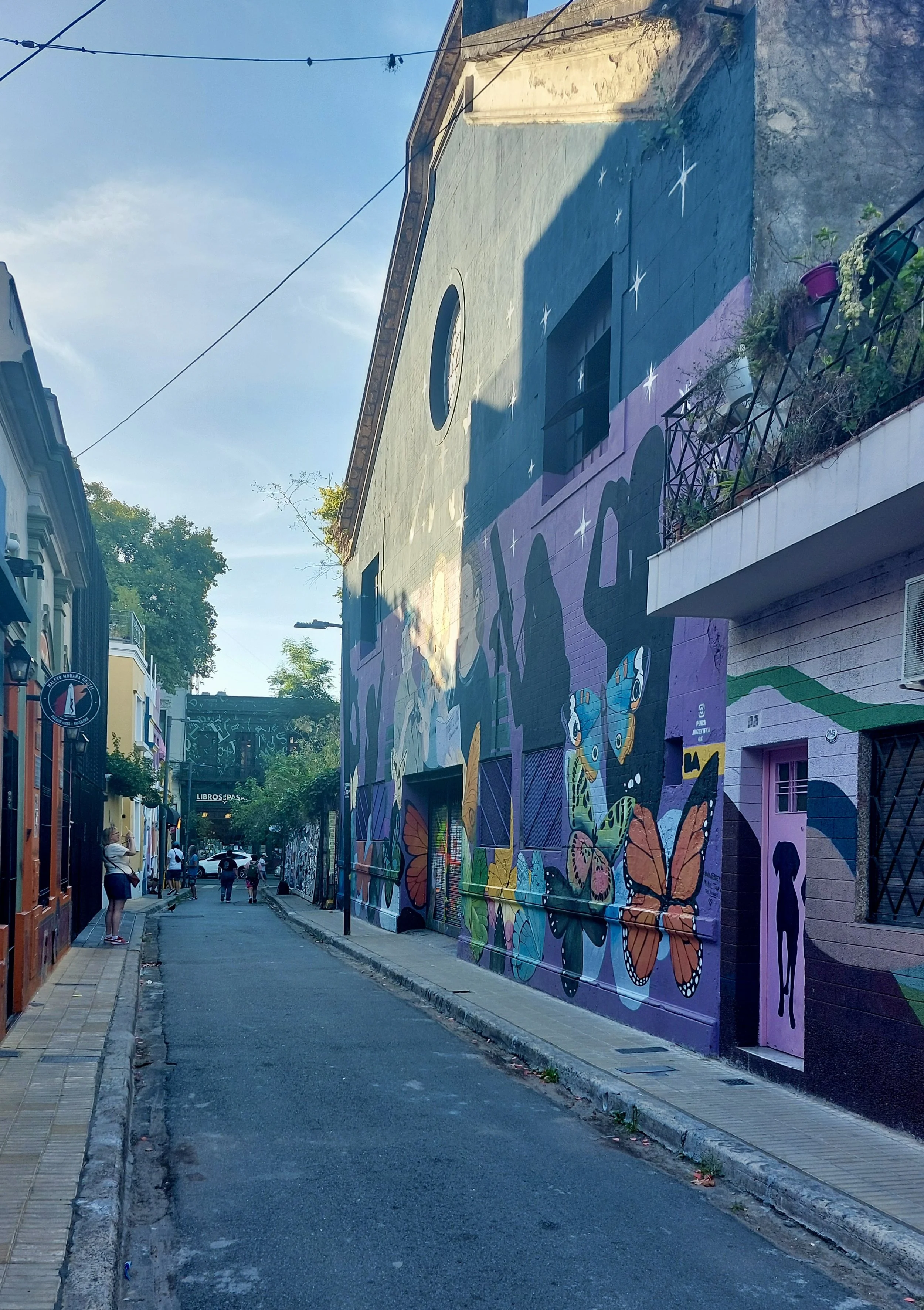
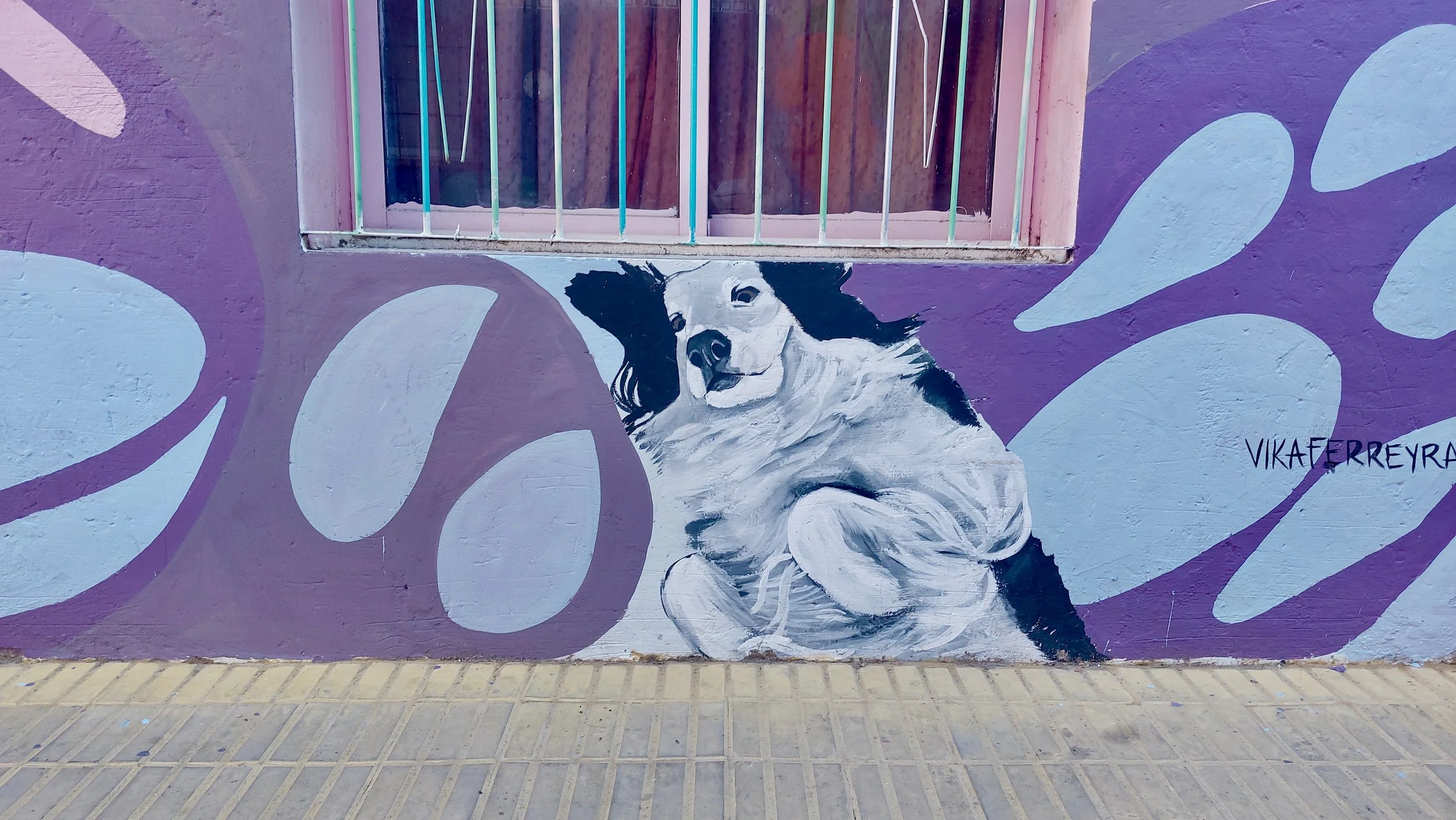
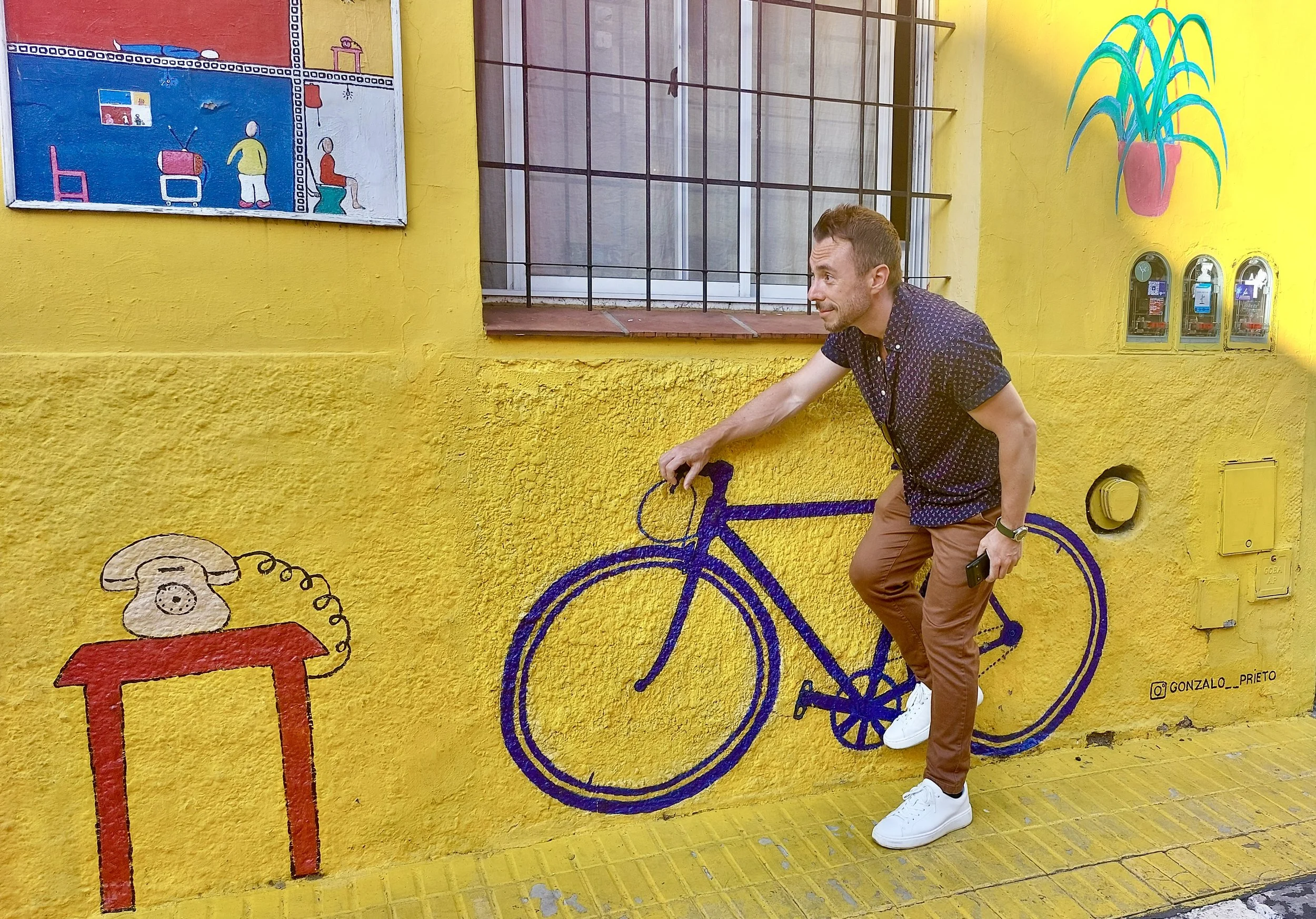
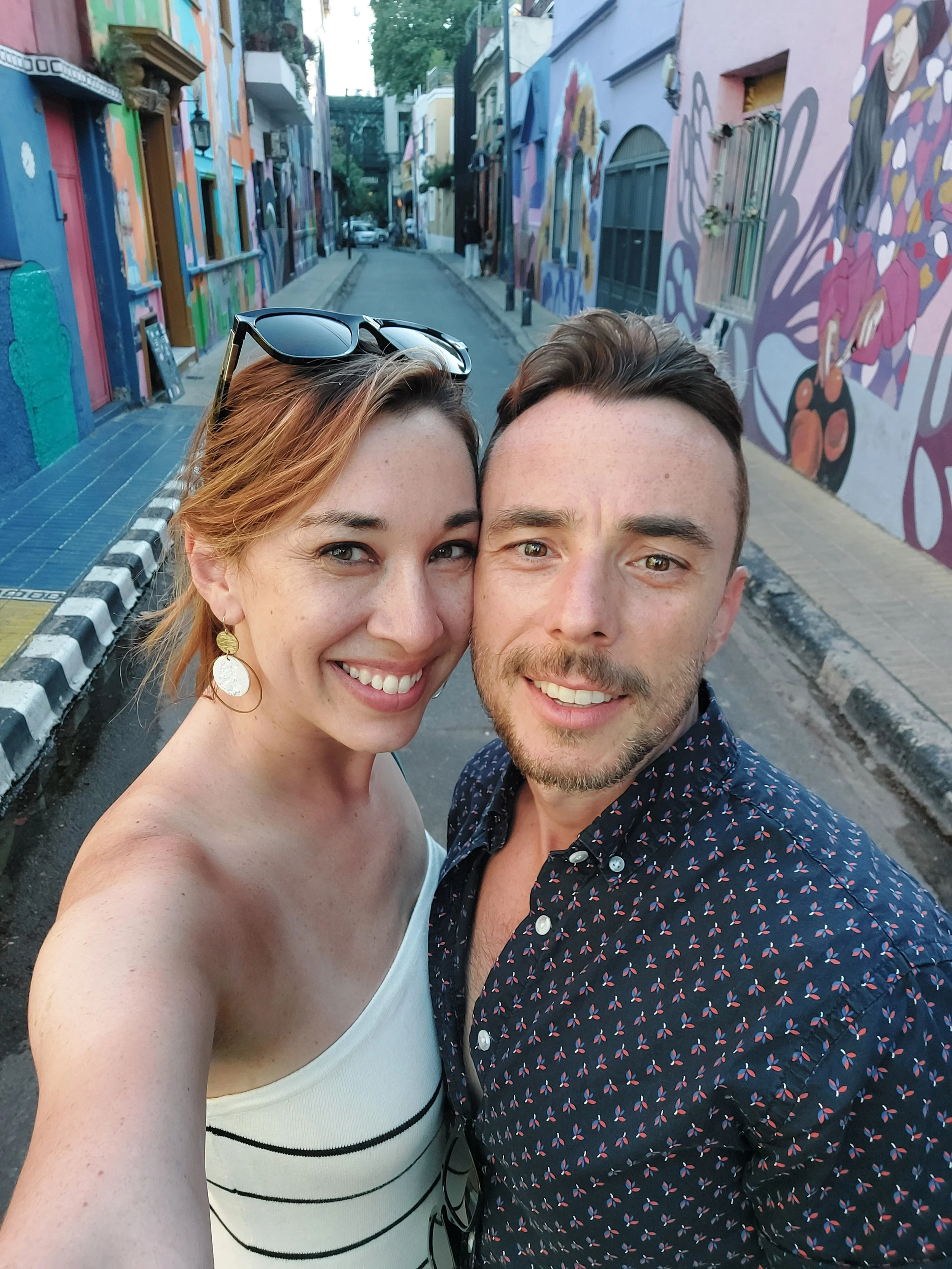
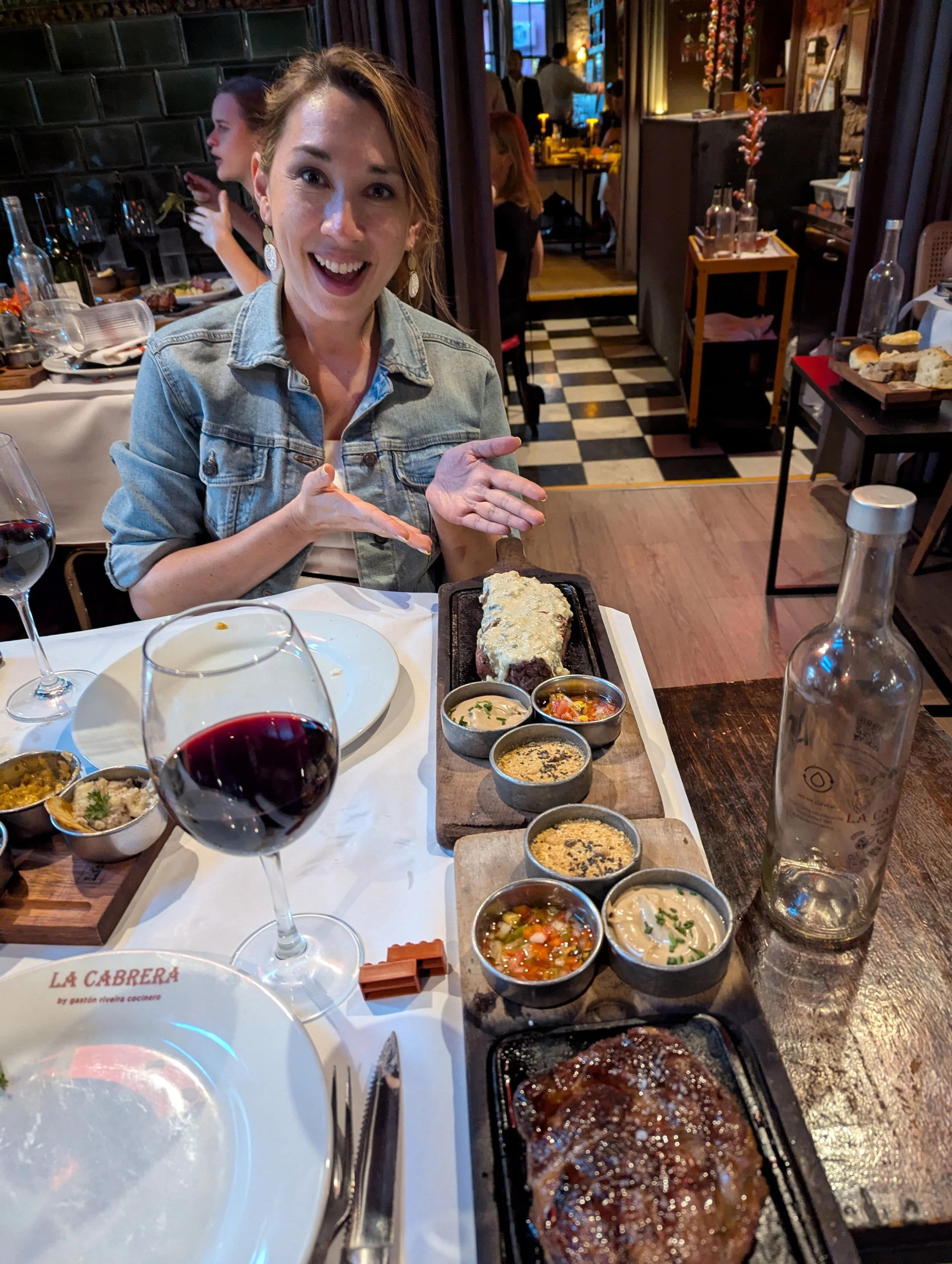
While at night, the area around the square is fairly raucous, with bars booming music. But the highlight of our visit to Palermo was actually arriving before sunset, enjoying the colourful murals and weekend craft fair, and experiencing happy hour at La Cabrera. Known for its Argentinian steak, it’s particularly noteworthy for having a happy hour special where everything on the menu is 40% off between 6-8:30 pm. We arrived early and put our name on a list to secure ourselves a table. This was to be our fancy meal of the trip, and so we indulged accordingly. I ordered myself a blue cheese strip steak, and Dave the ribeye, along with mashed potatoes (naturally) and salad. What we hadn’t realized is that they also give you copious bread and a smorgasbord of different side samplers, including a divinely tasty roasted corn/cheese concoction. It was by far the best meal of our trip, and we were stuffed to the gills with meat and carbs and Malbec.
La Boca
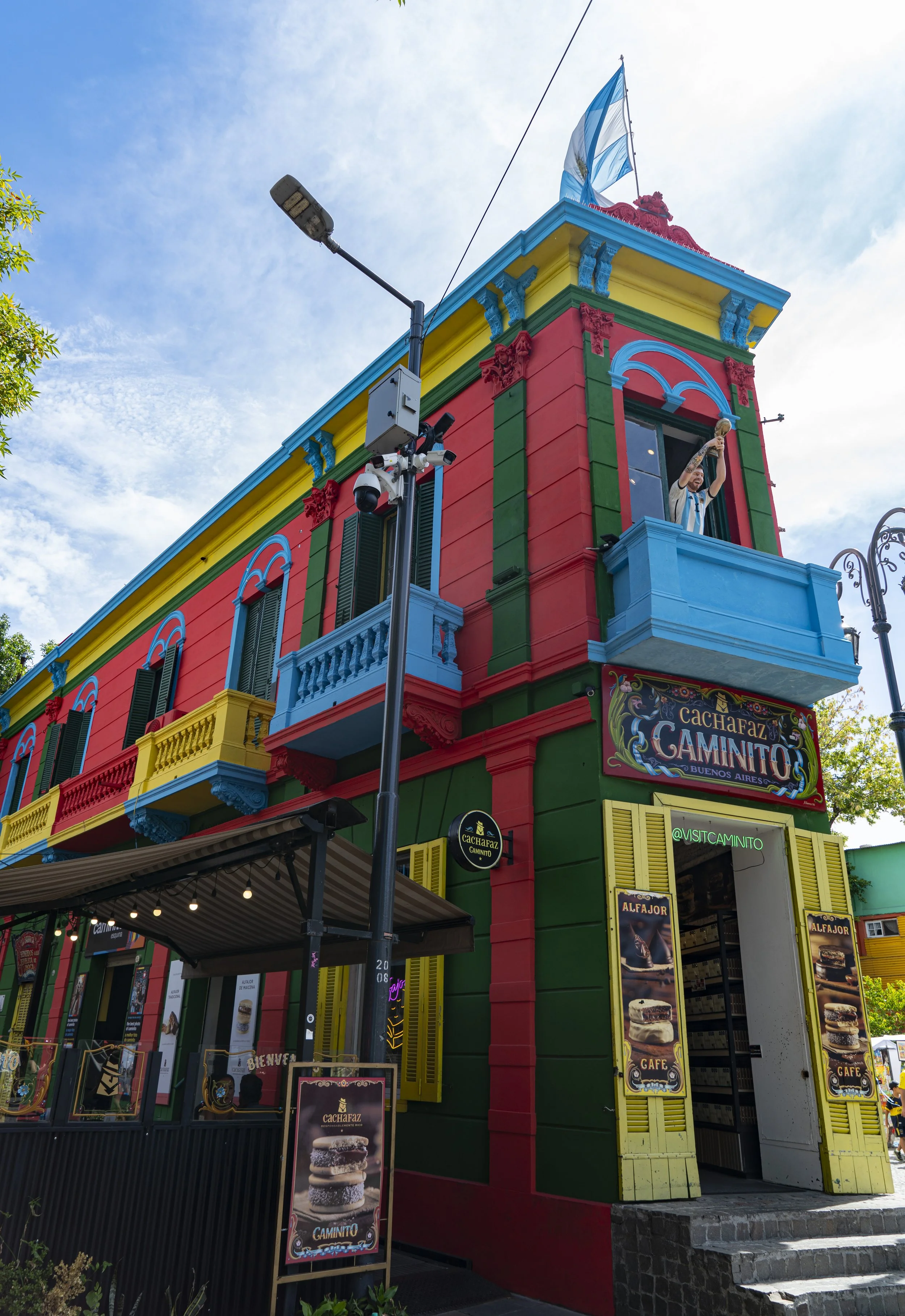
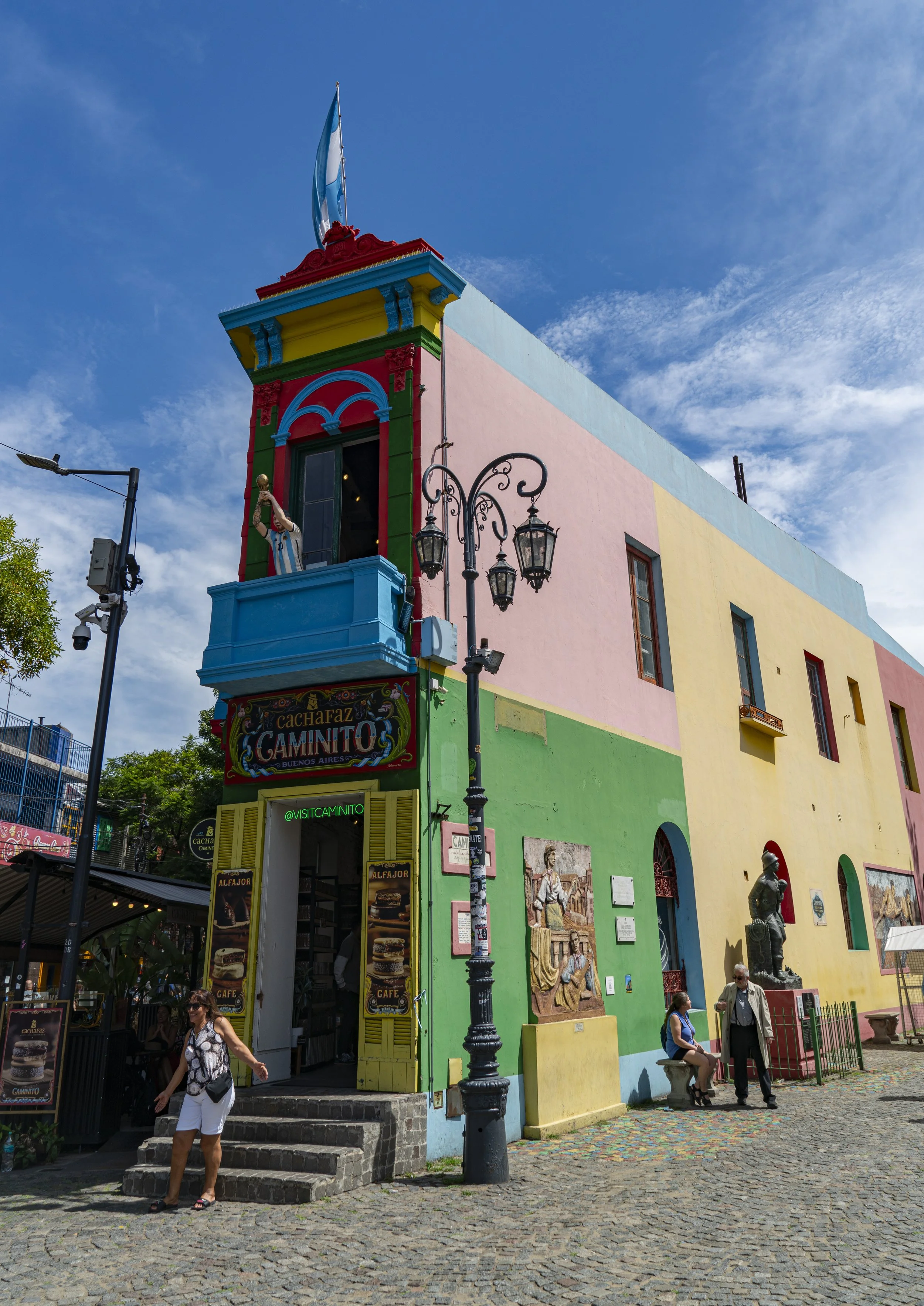
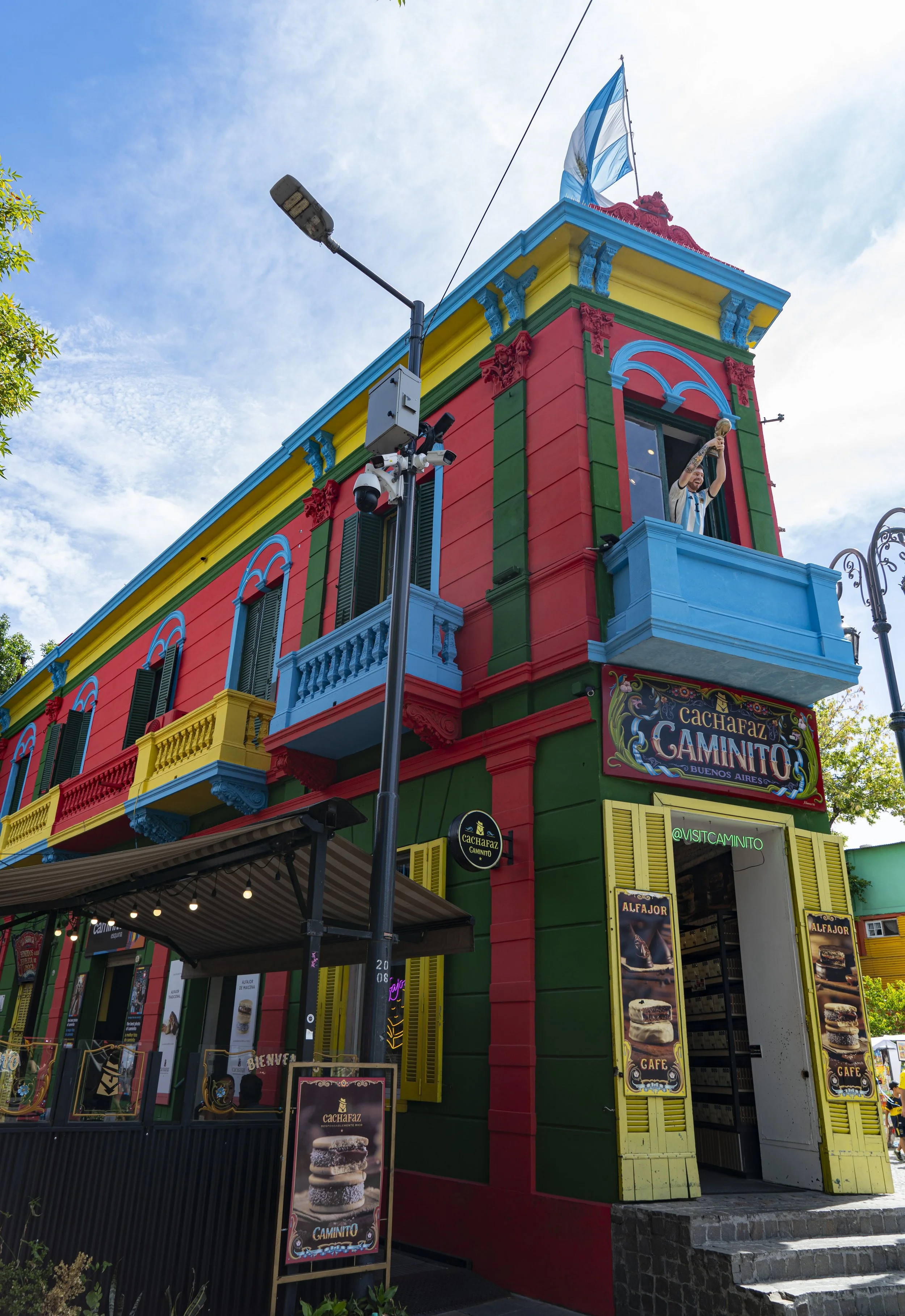
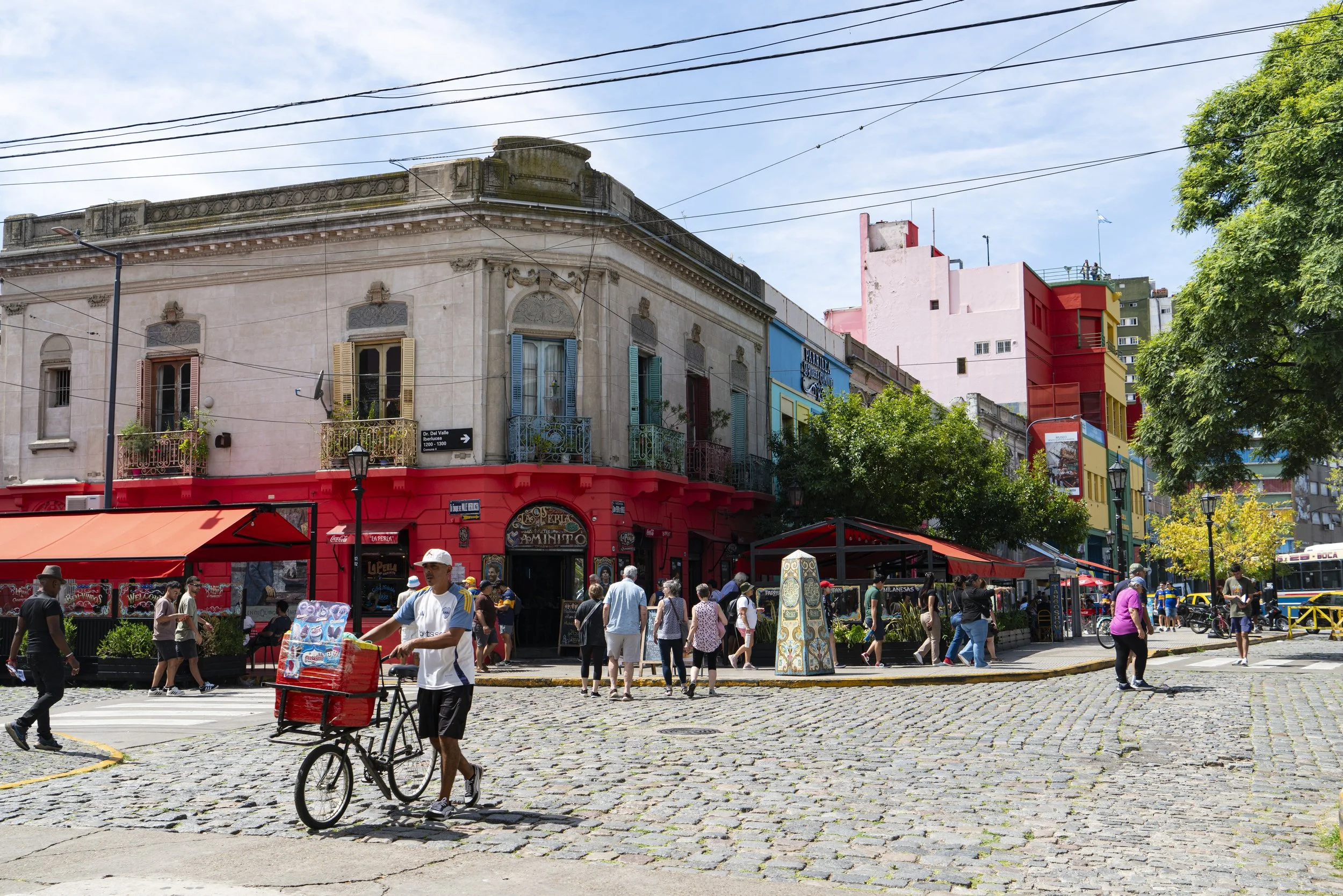
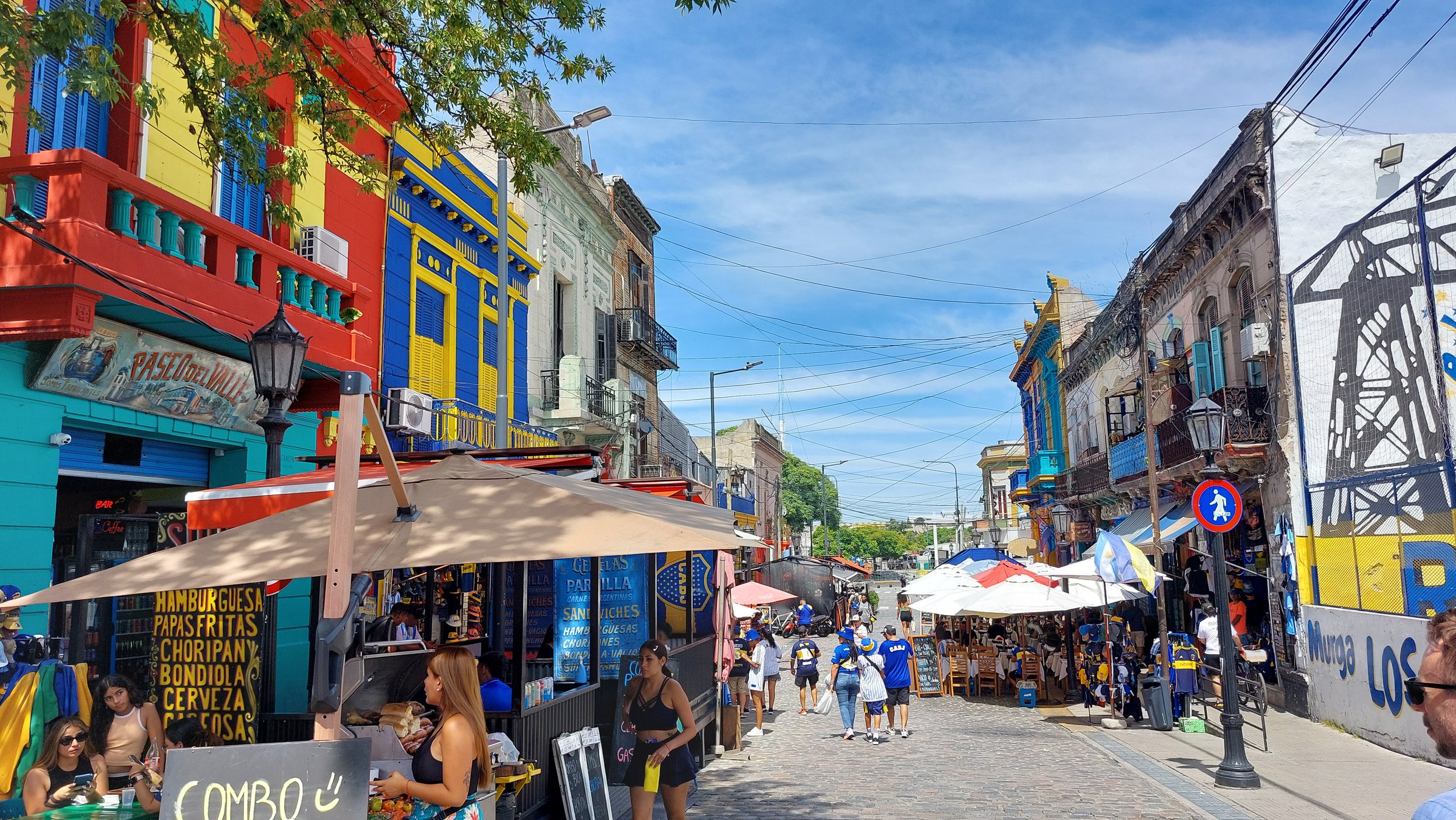
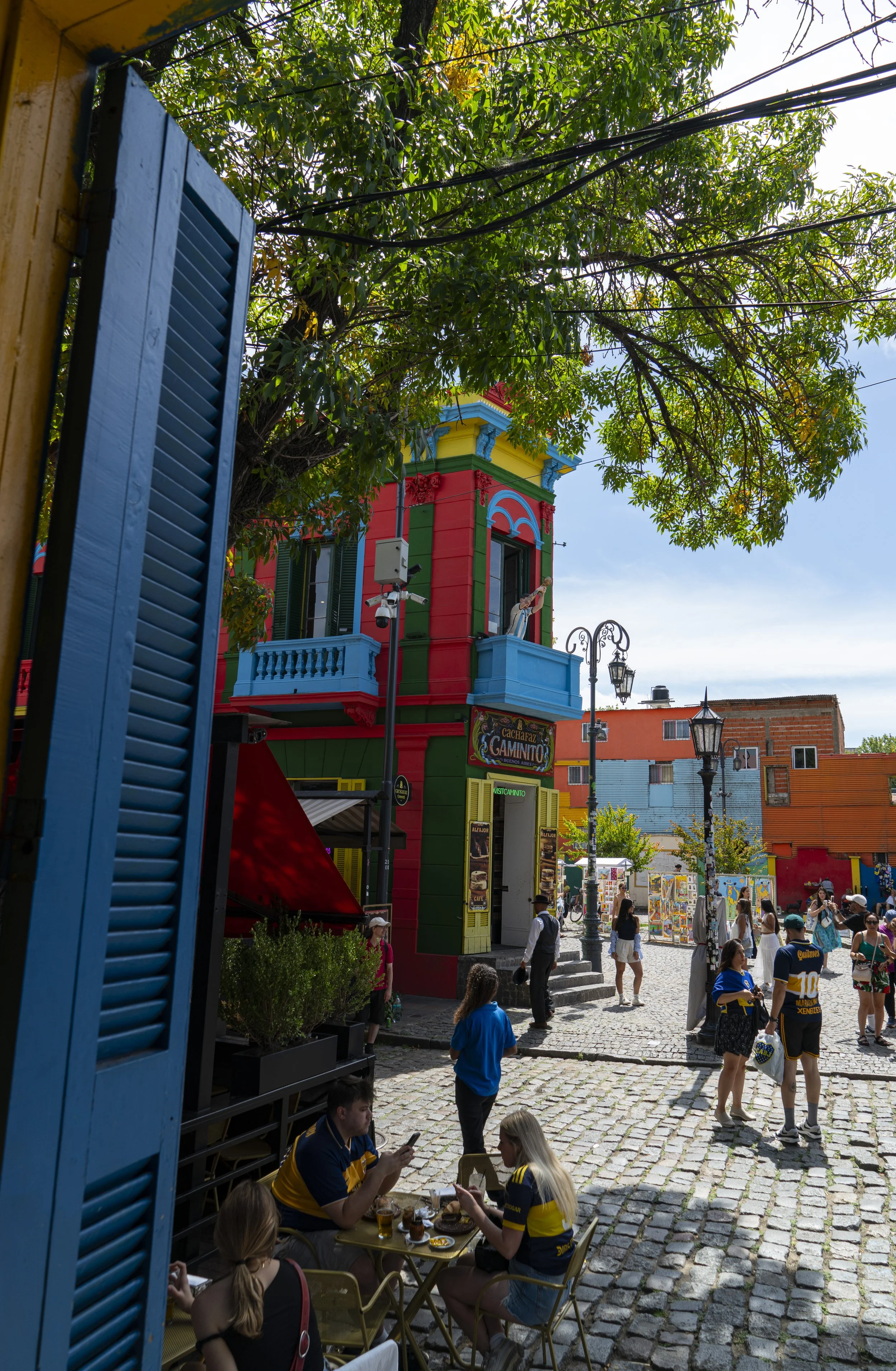
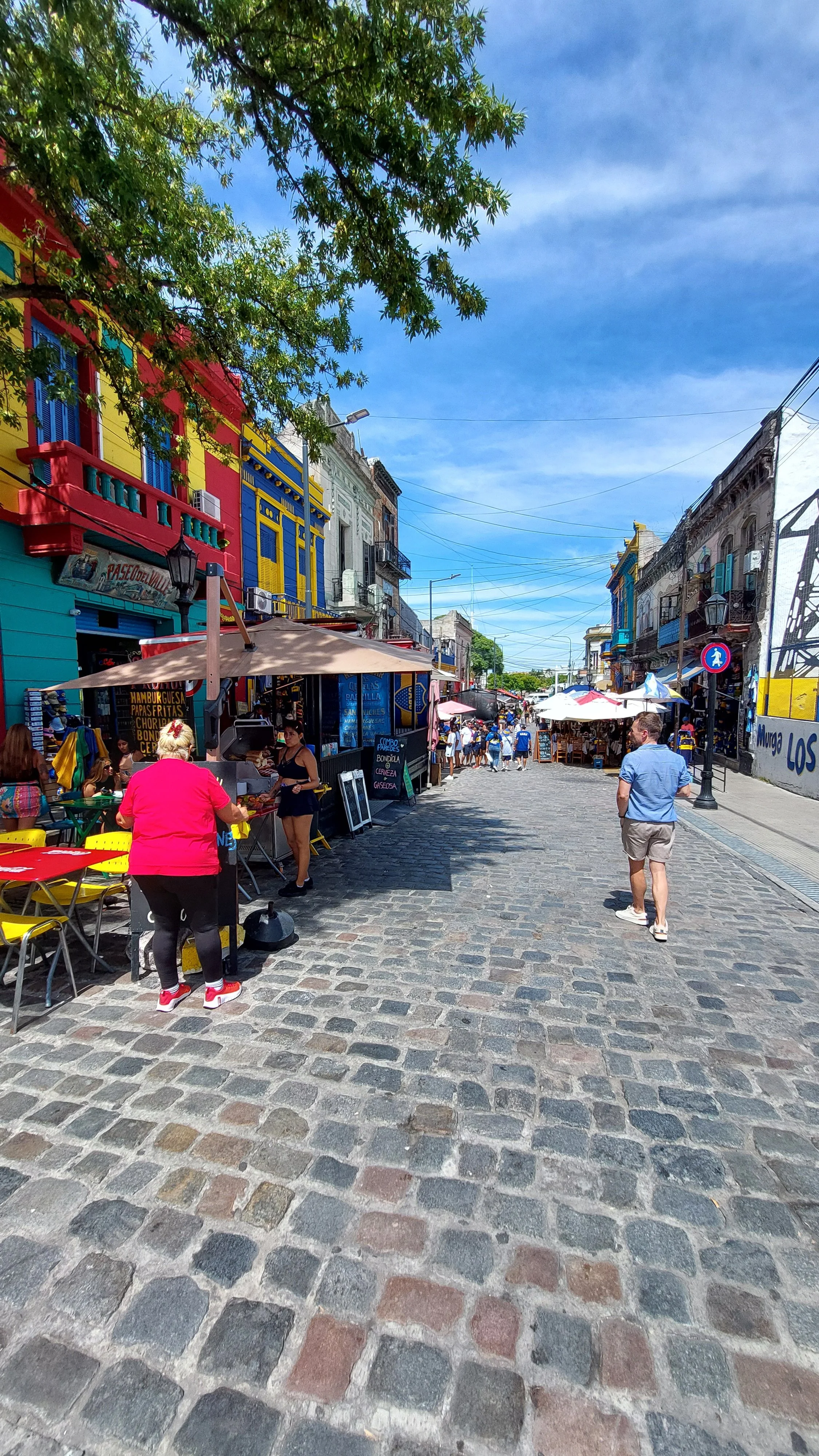
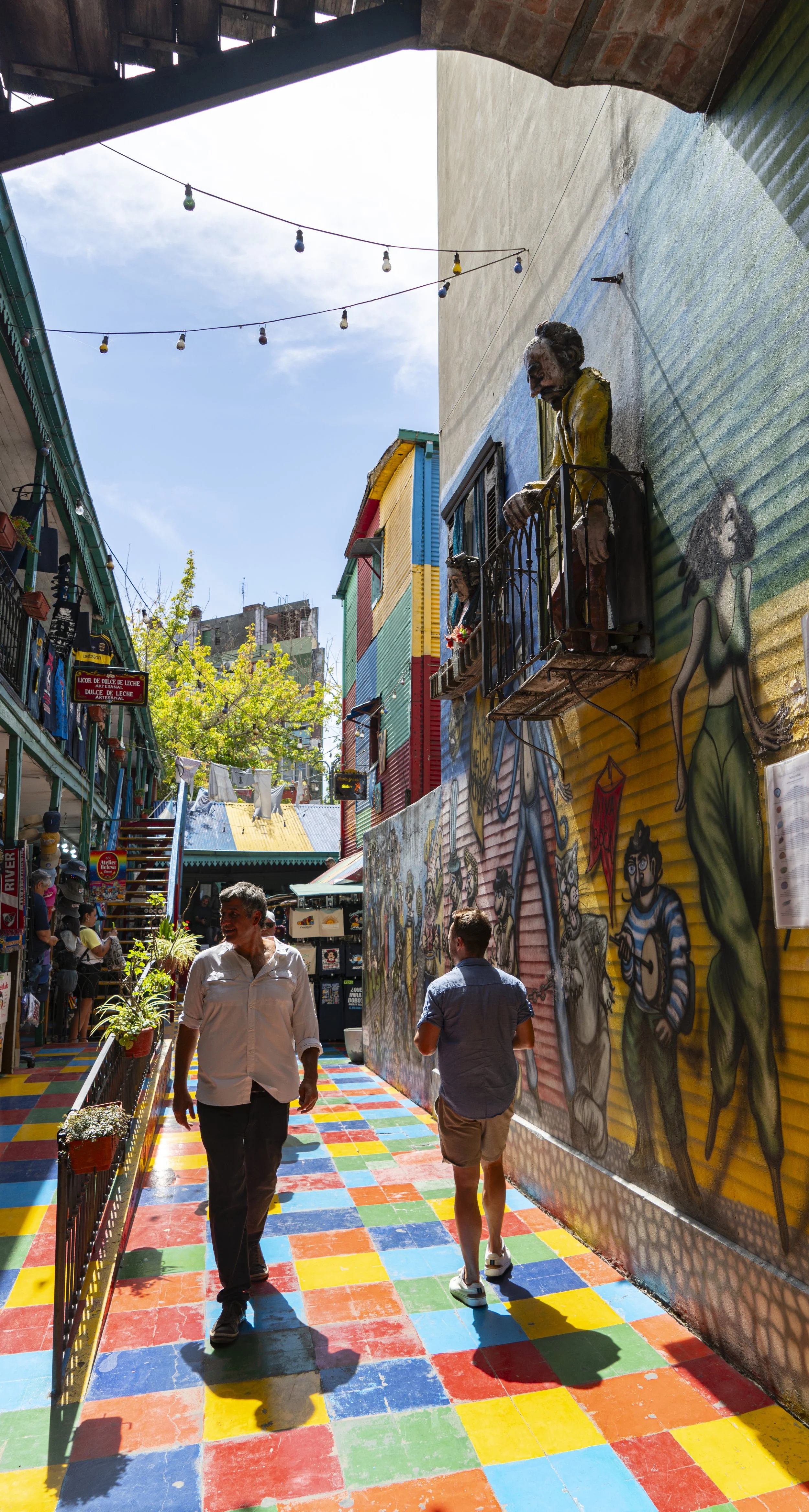
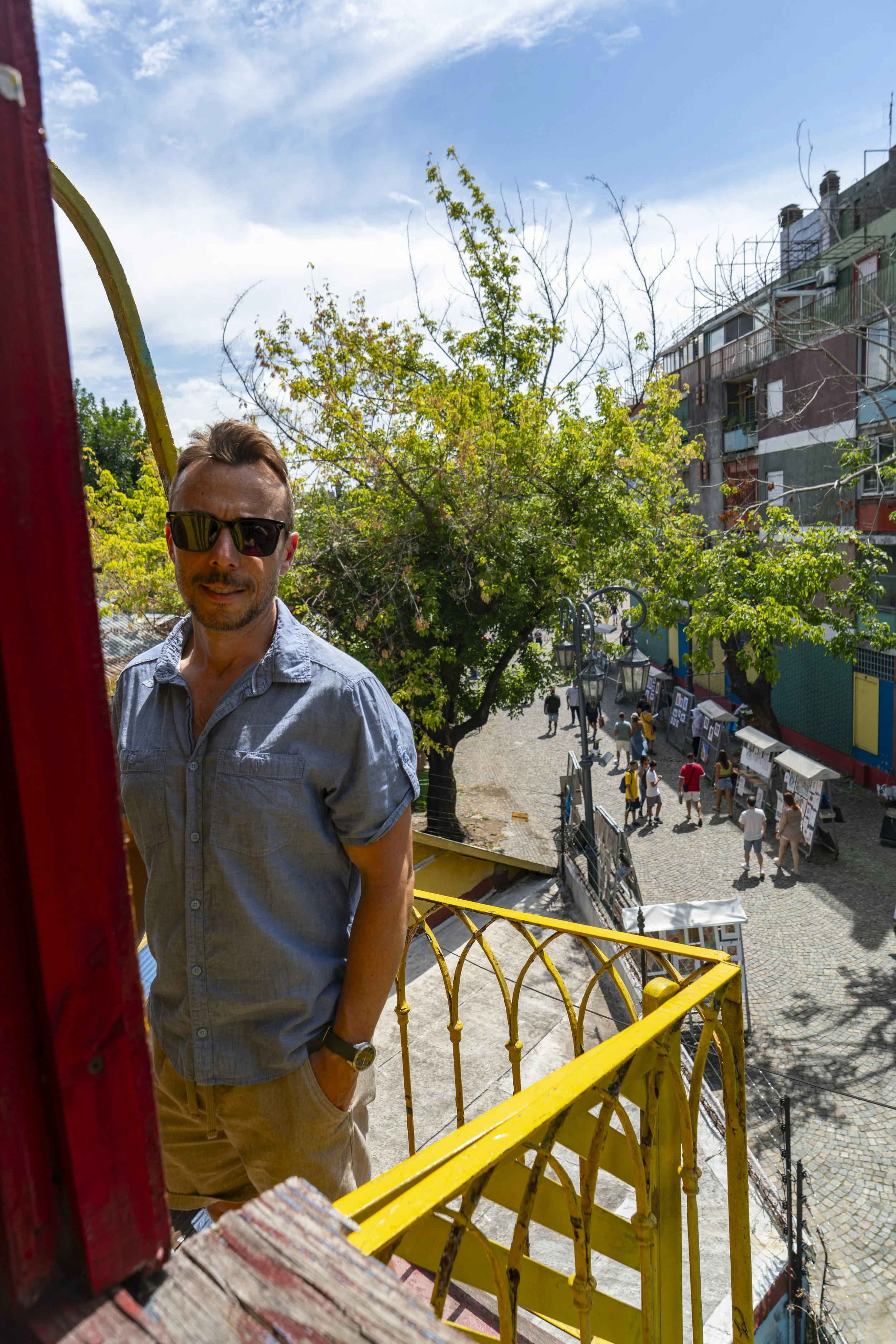
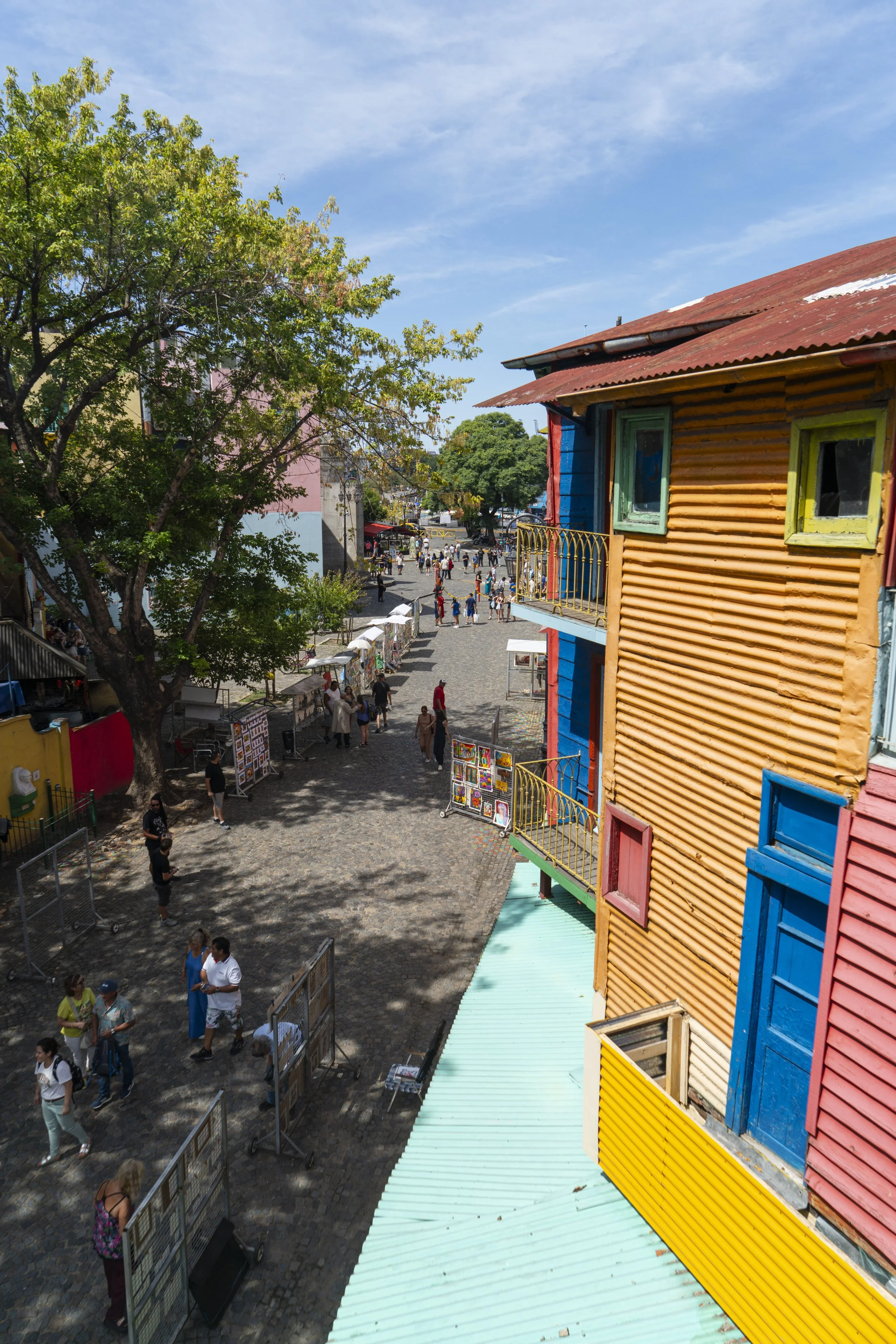
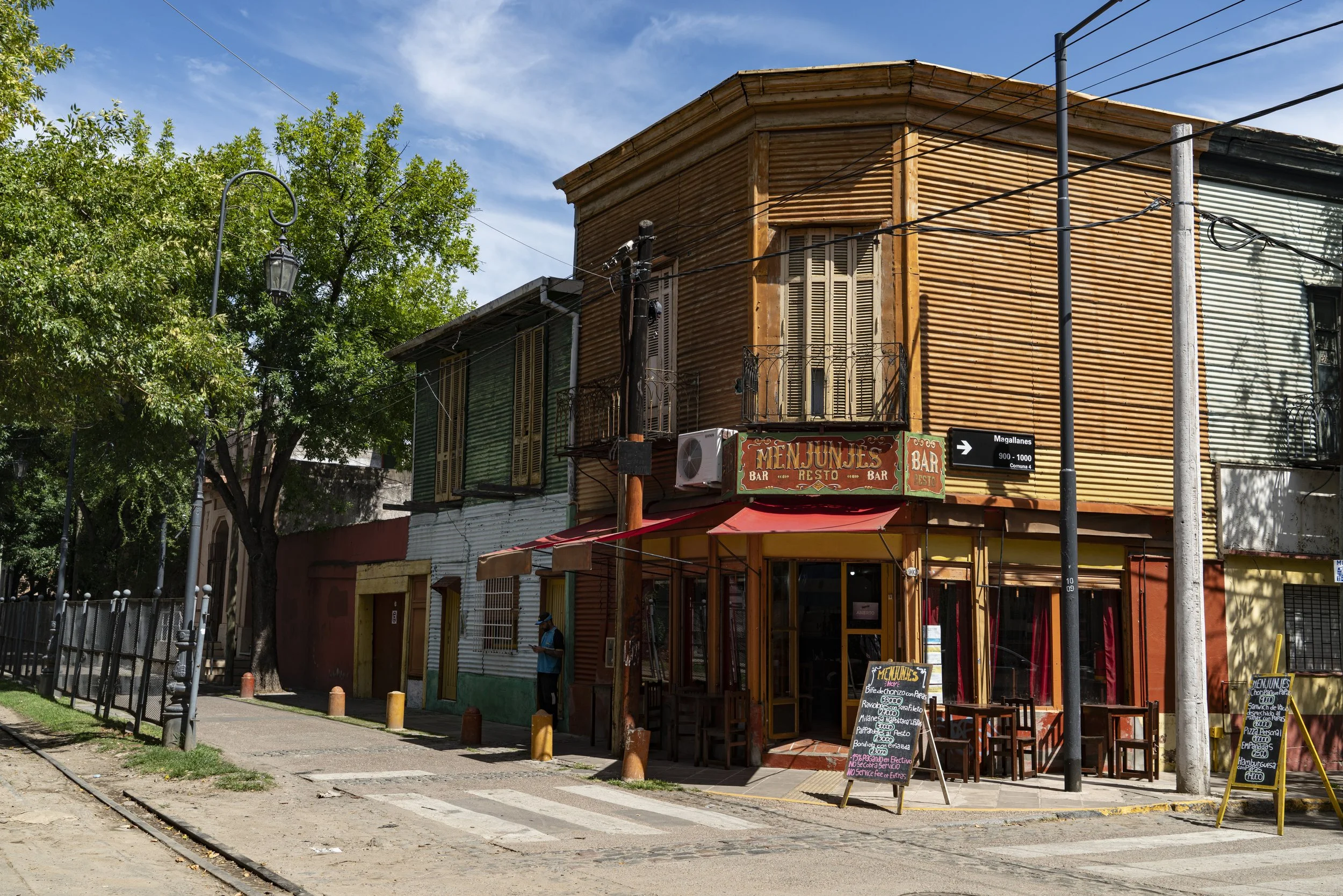
We spent a hot and sunny afternoon exploring La Boca neighbourhood in the south-east of the city. Known for its vibrantly-coloured buildings, housing tourist shops and overpriced restaurants, it is often considered a tourist trap, but one steeped in an interesting history. As the main port area, La Boca was a hub for immigration in the early 20th century, with the largest group actually coming from Genoa, Italy. To house the influx of immigrants, tenement housing was built using scrap metal and leftover paint, hence the brightly painted buildings you see (recreated) today. Random fun fact: in the late 1800s, frustrated by a labour conflict and prolonged strikes, a group of Genovese immigrants decided to declare their independence to the King of Italy and seceded from Argentina, forming the independent Republic of La Boca (this was not very long-lived).
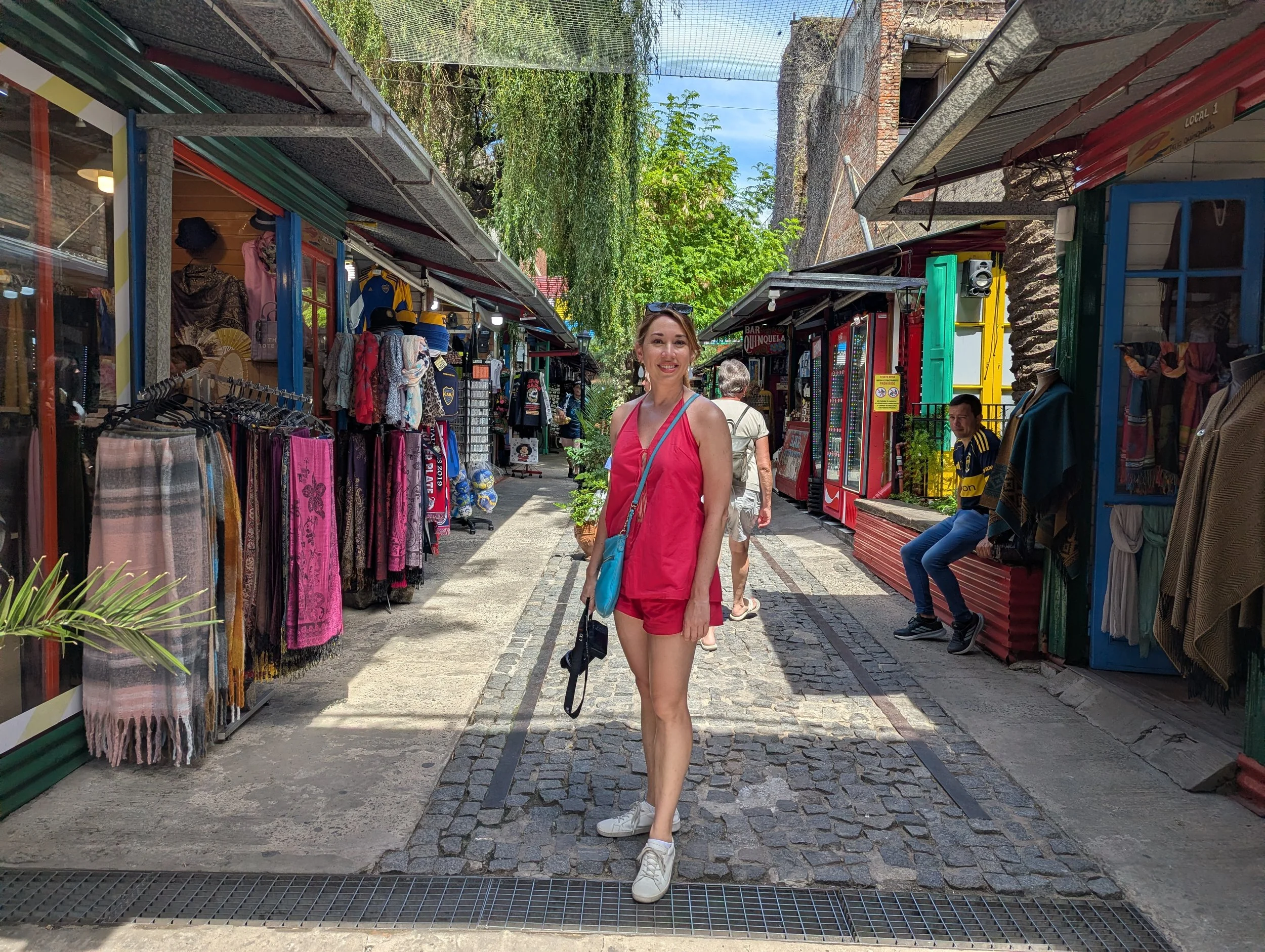
We enjoyed the cheerful kitschiness of the area, wandering through the narrow, colourful alleys with cartoon-ish statues of famous Argentinians stationed at 2nd story windows. A lot of the buildings and signage had a kind of old-timey circus aesthetic—half expected to see a carnival barker pop out and start enticing folks to come see their strange exhibit behind the curtain!
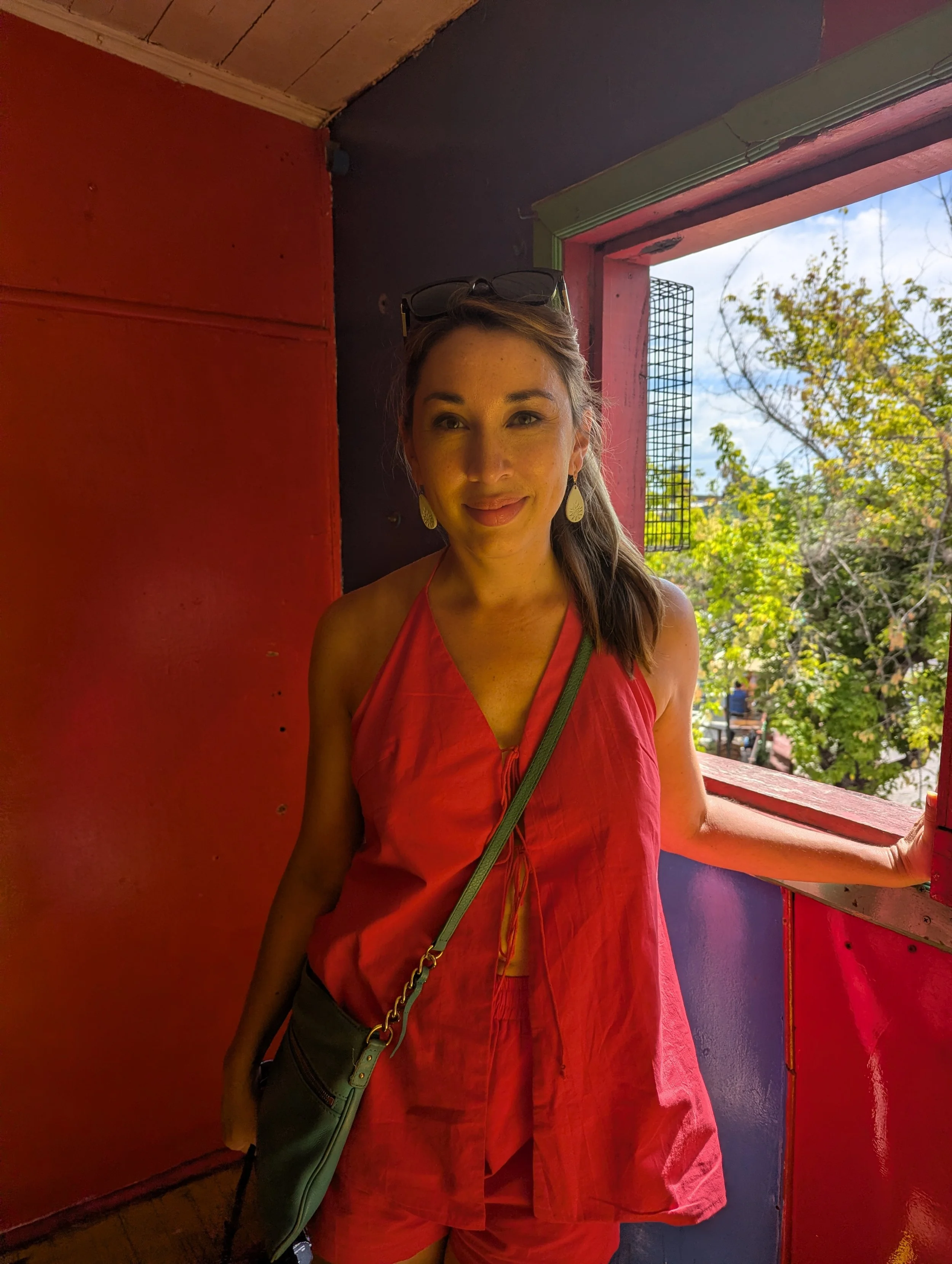
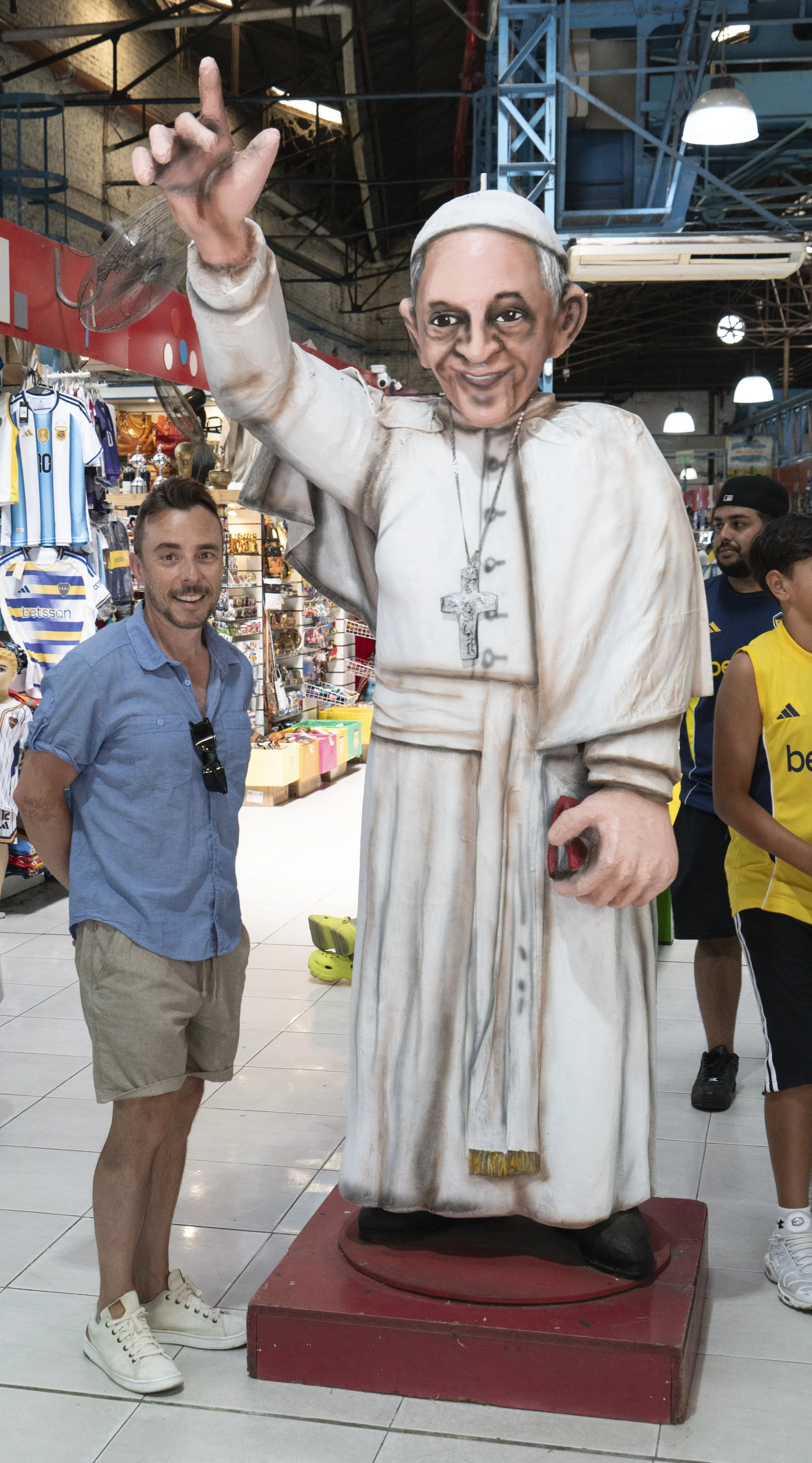
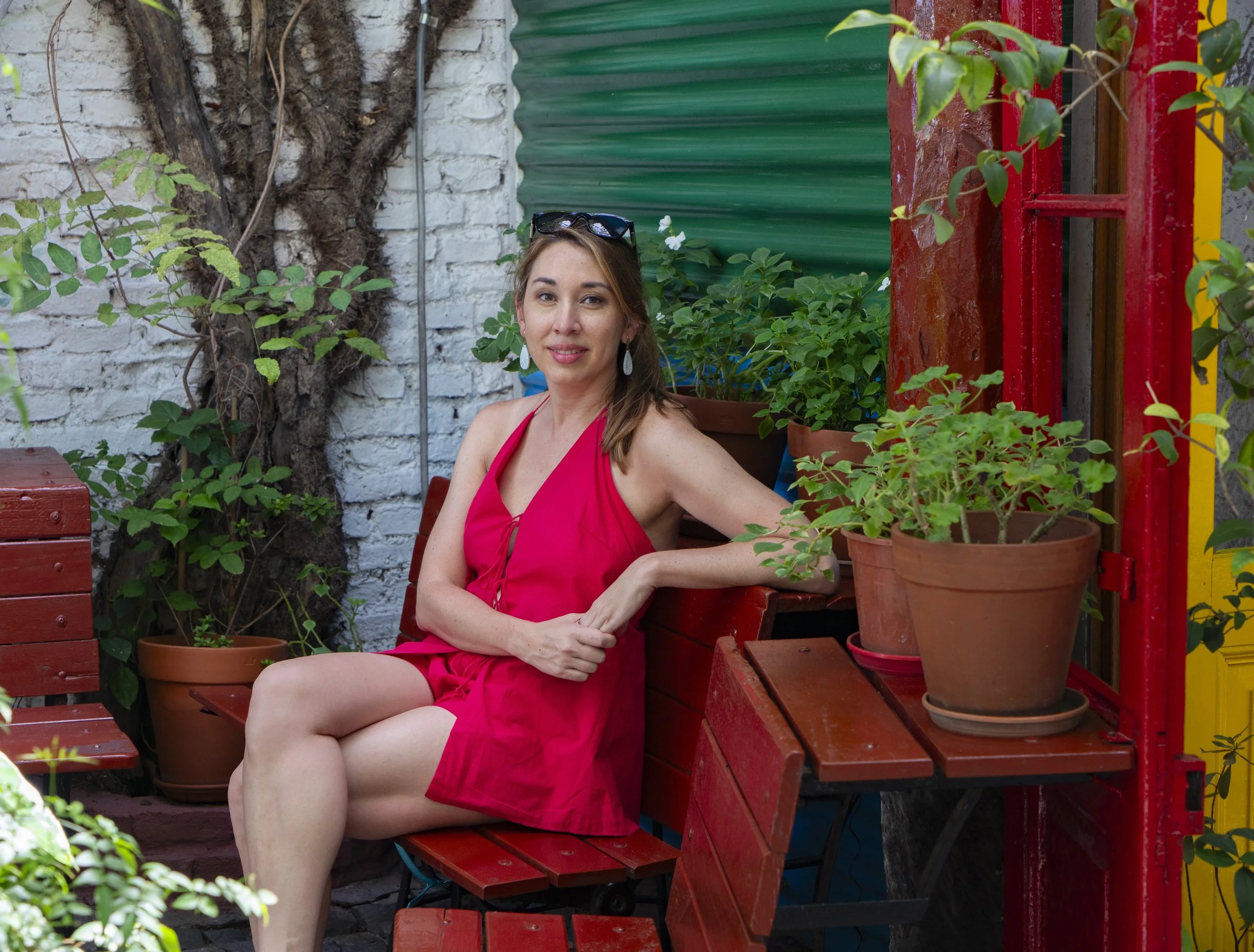
The area was particularly abuzz because the local soccer team, the renowned Boca Juniors, were going to be playing at their home stadium nearby. Dave tried to get tickets so we could we experience the madness that is a fútbol game in Argentina amongst 50,000+ rabid fans, but they were ultimately too expensive. It was still quite an experience being amongst the lively crowds, who were out on the street having drinks and BBQing, and occasionally breaking out into soccer chants. I did feel a bit self conscious walking through the sea of blue-and-yellow bedecked fans, as I had no idea the team’s colours and was dressed entirely in red. While we didn’t get to see the game in person, we headed back to our neighbourhood and found a small local bar to catch it.
San Telmo
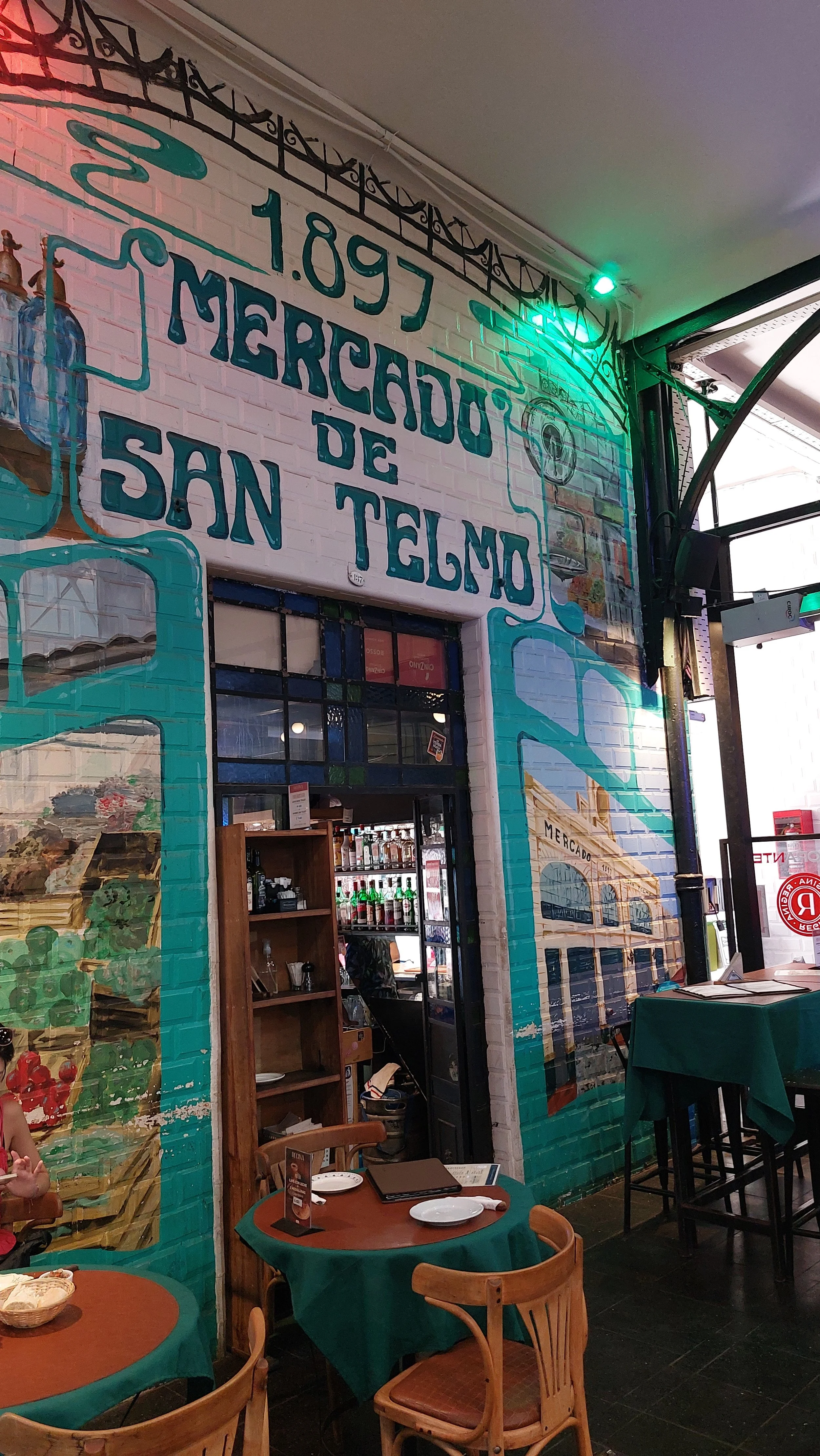
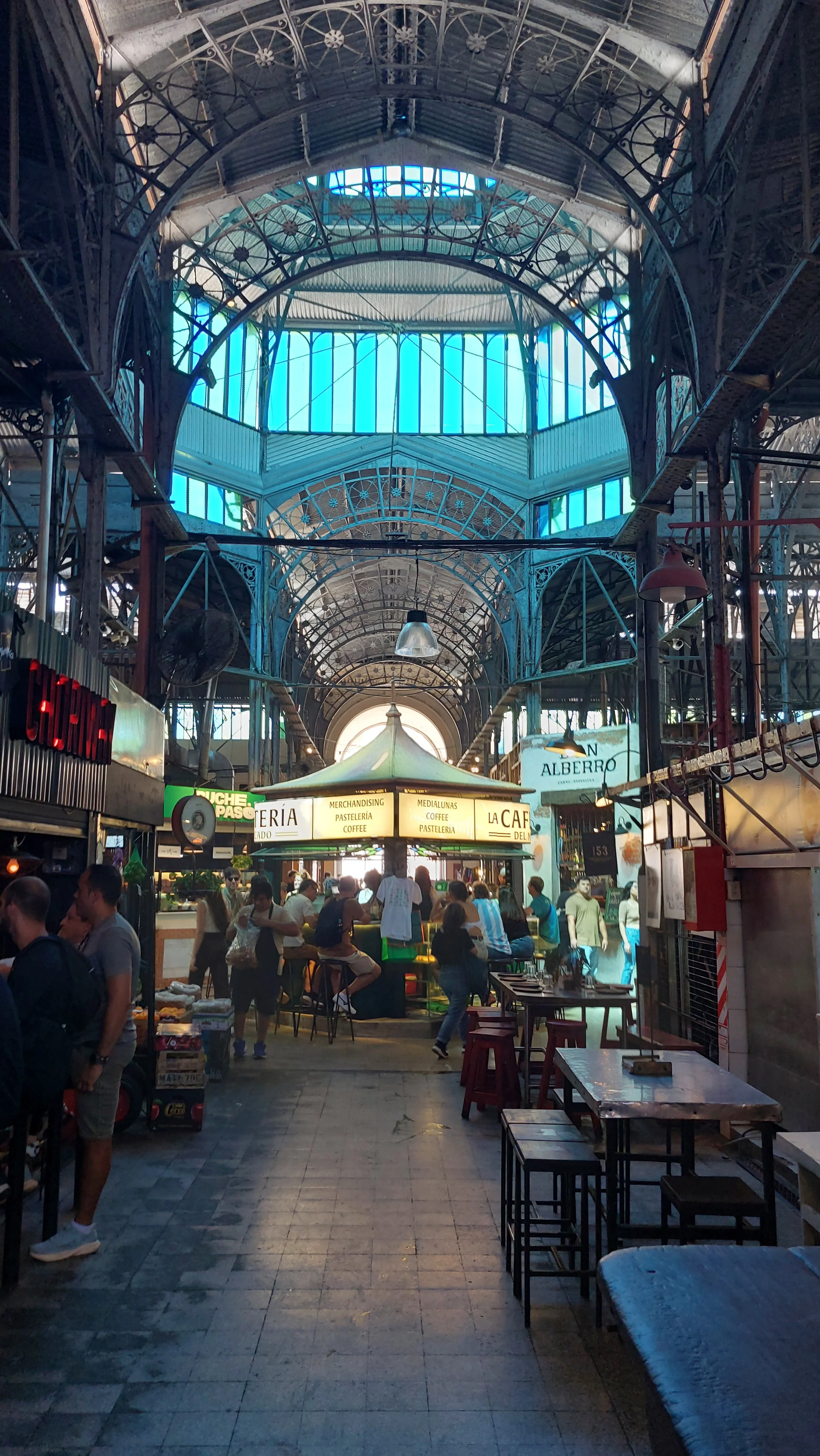
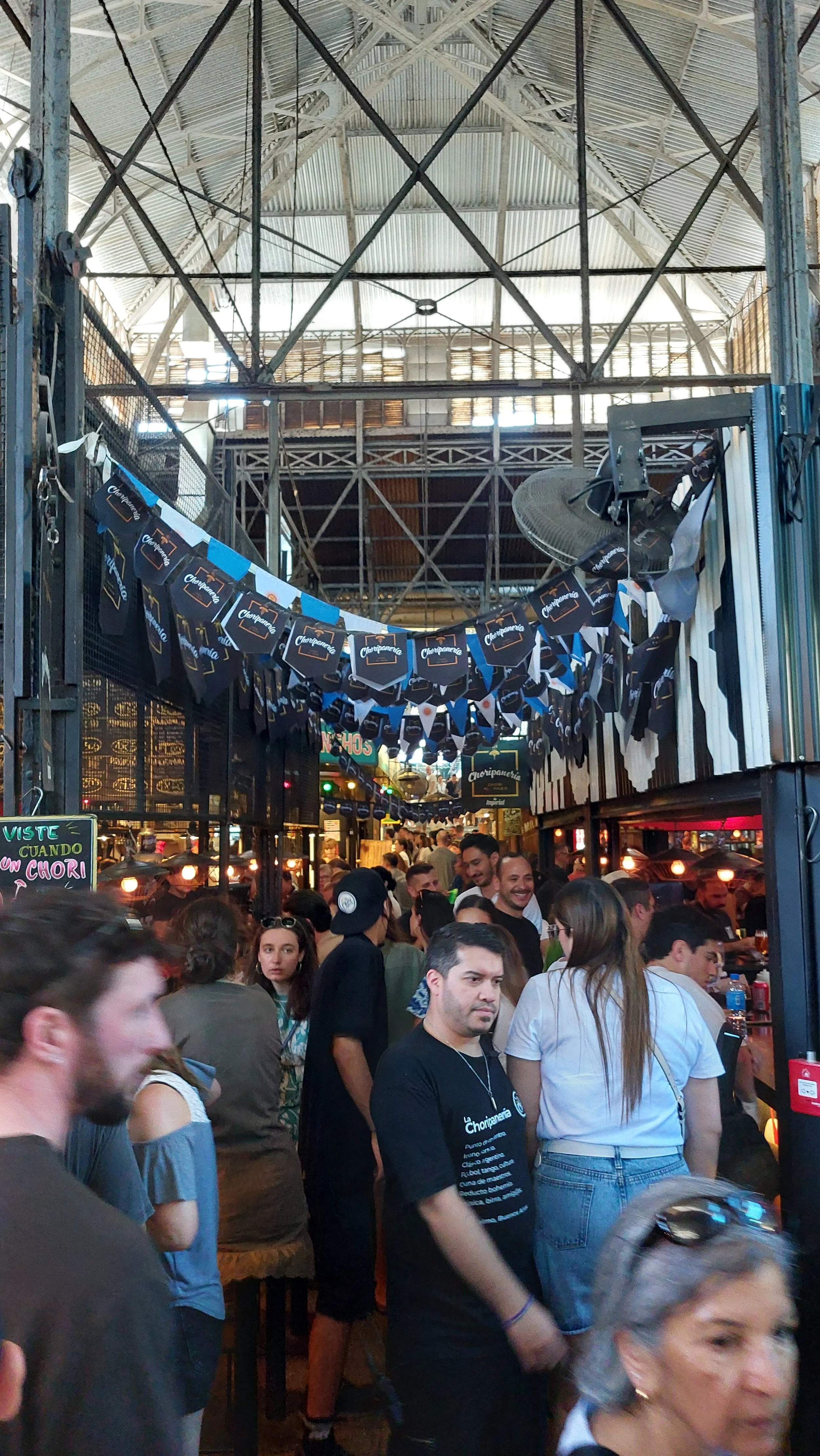
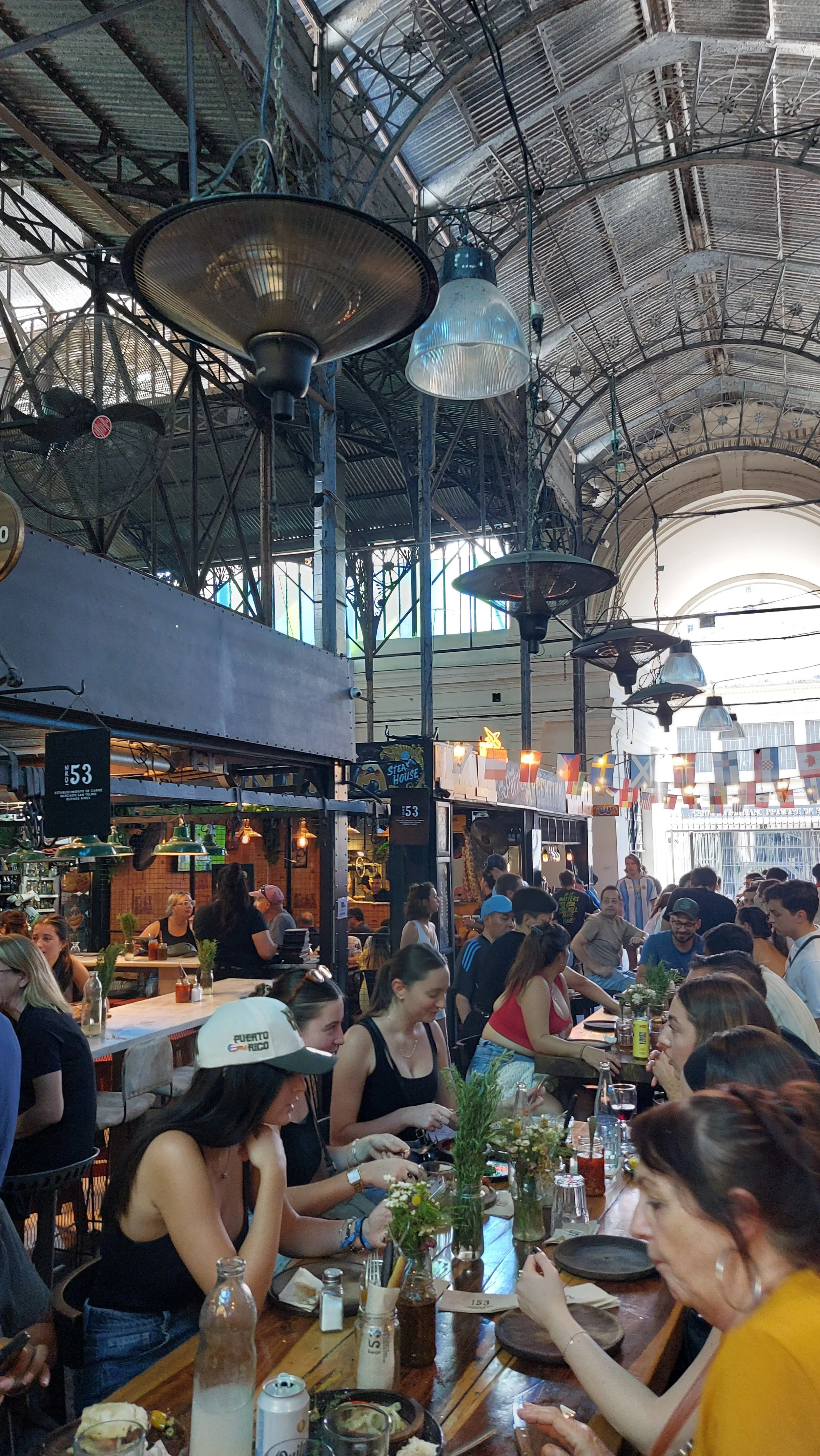
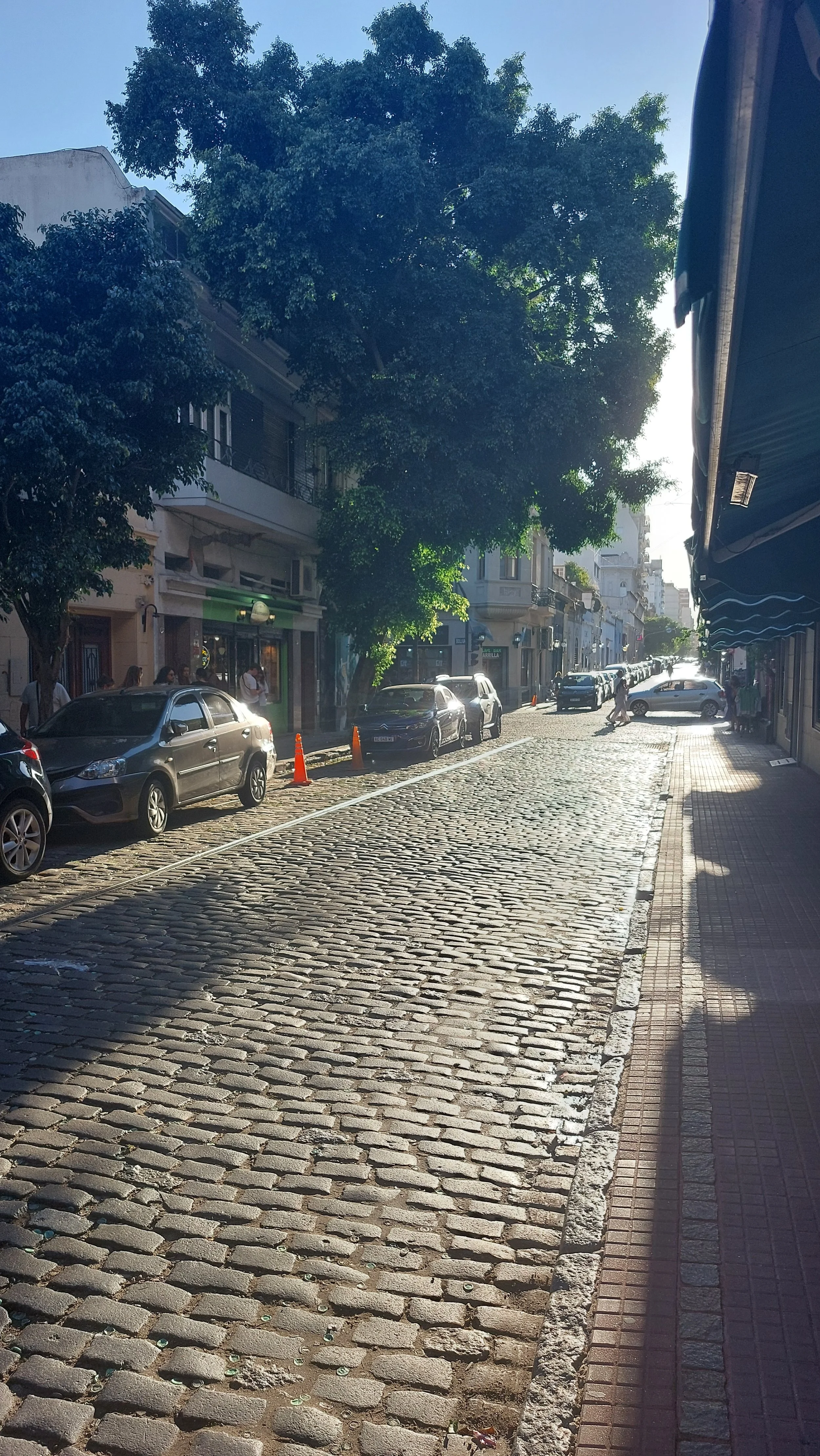
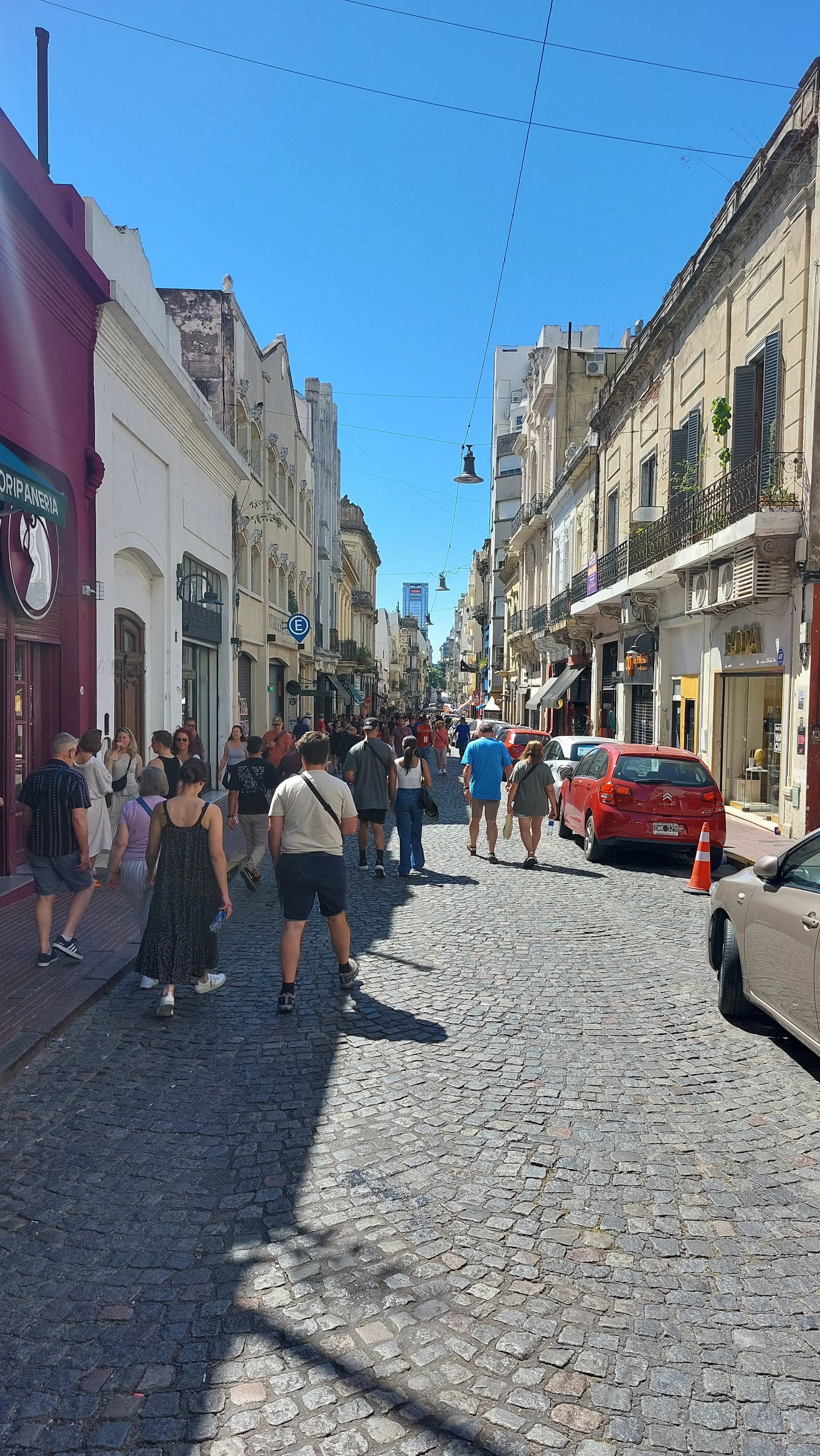
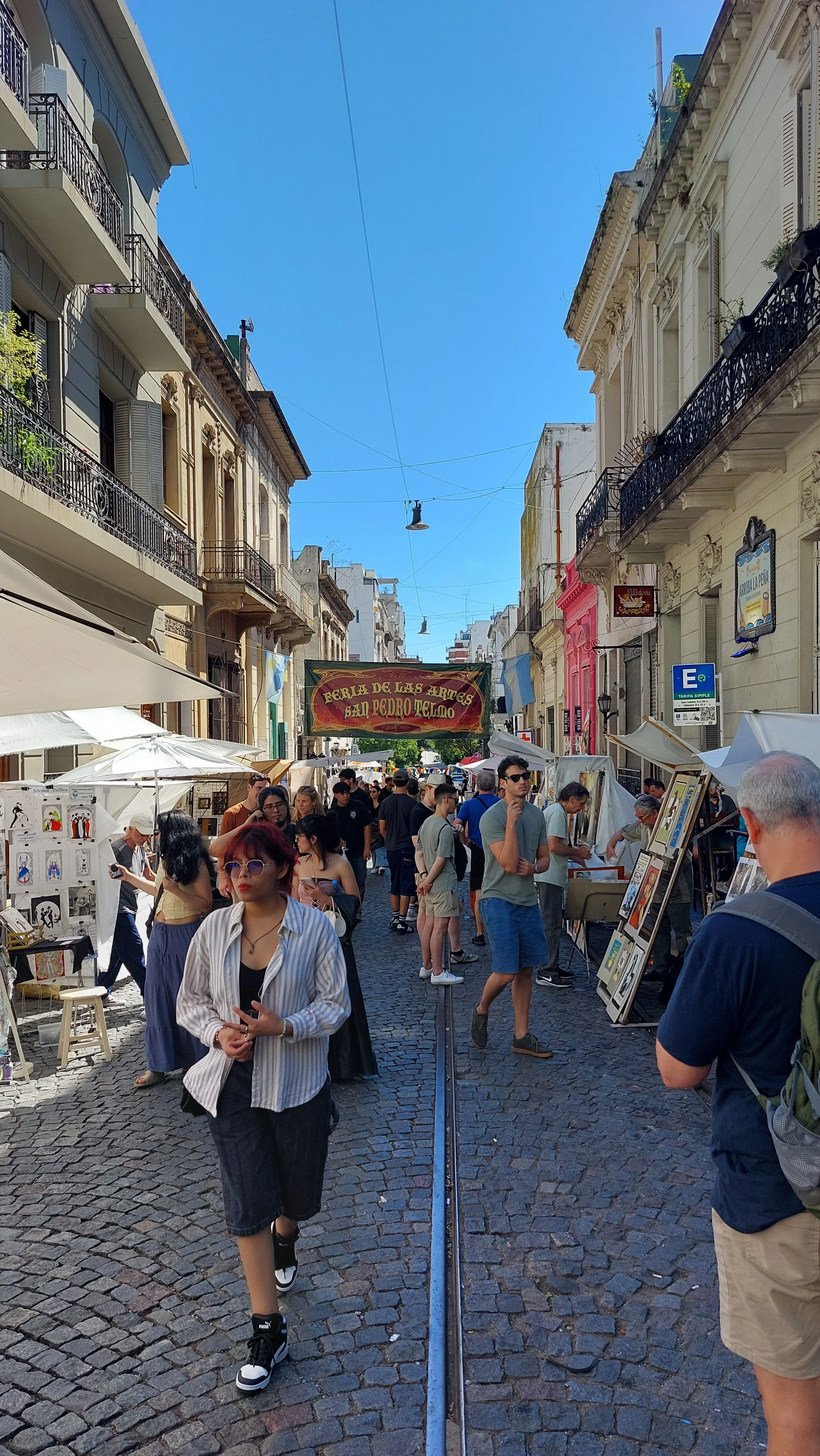
Our last full day in Buenos Aires was spent exploring San Telmo, which is the oldest barrio (neighbourhood) in the city. Specifically, we were there to see San Telmo Market and the Sunday Street Fair. The historic market opened in 1897 and has retained its beautiful arches and metal columns, as well as its grand dome at its the centre. It’s packed with food stalls selling produce as well as prepared foods, everything from empanadas to steak. We did a reconnaissance lap around the market to get the lay of the land and identify food spots of interest.
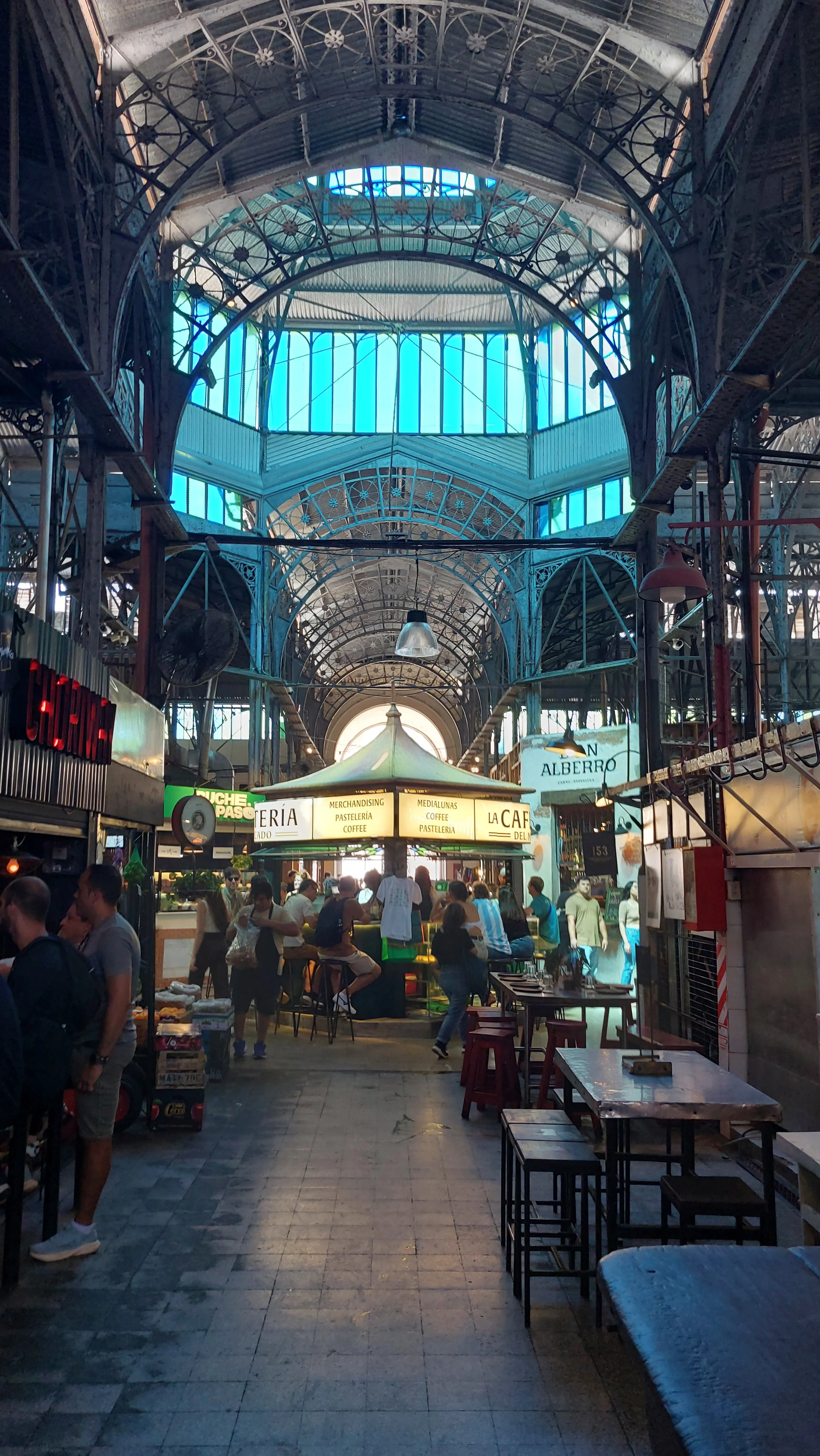
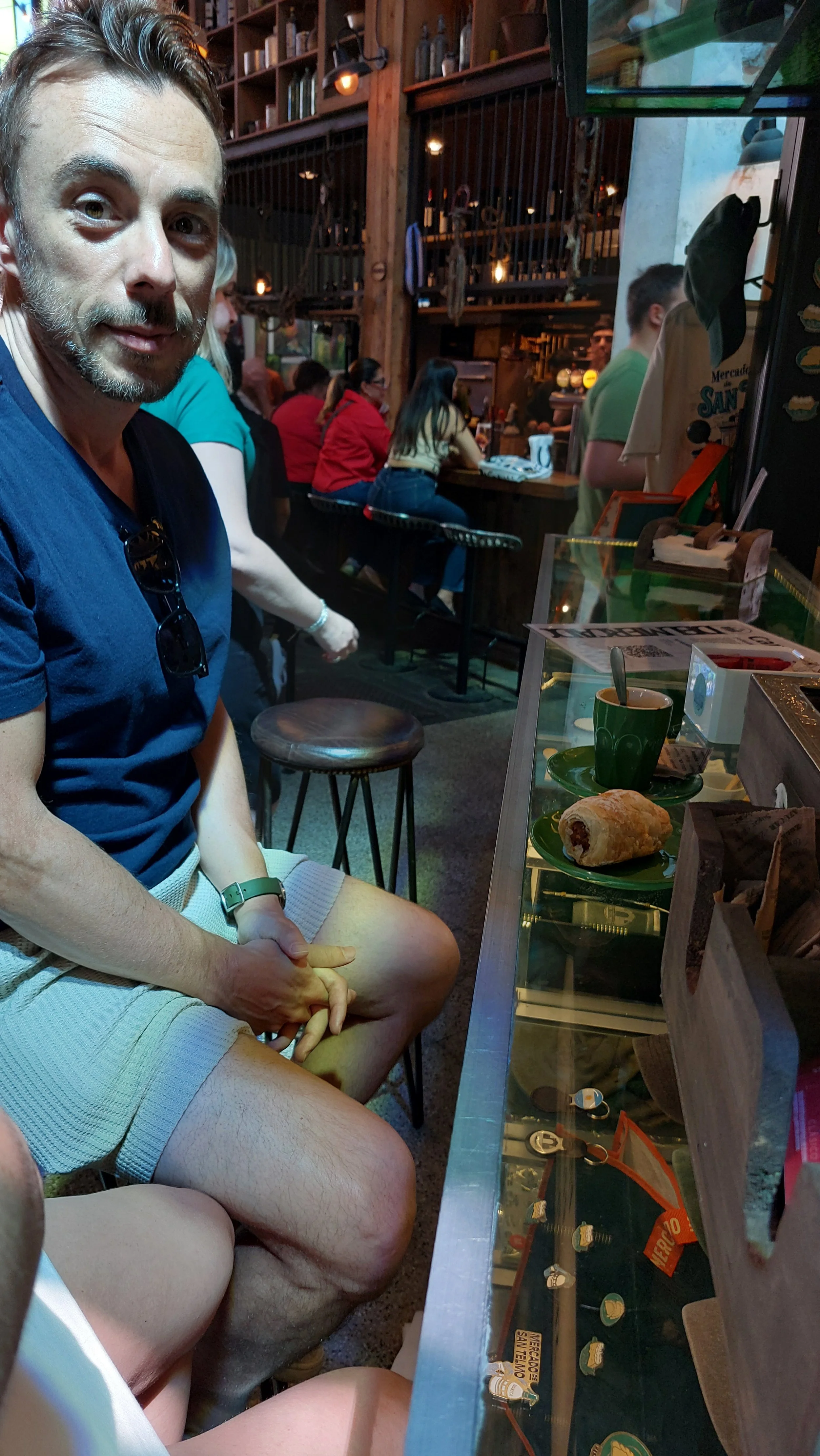
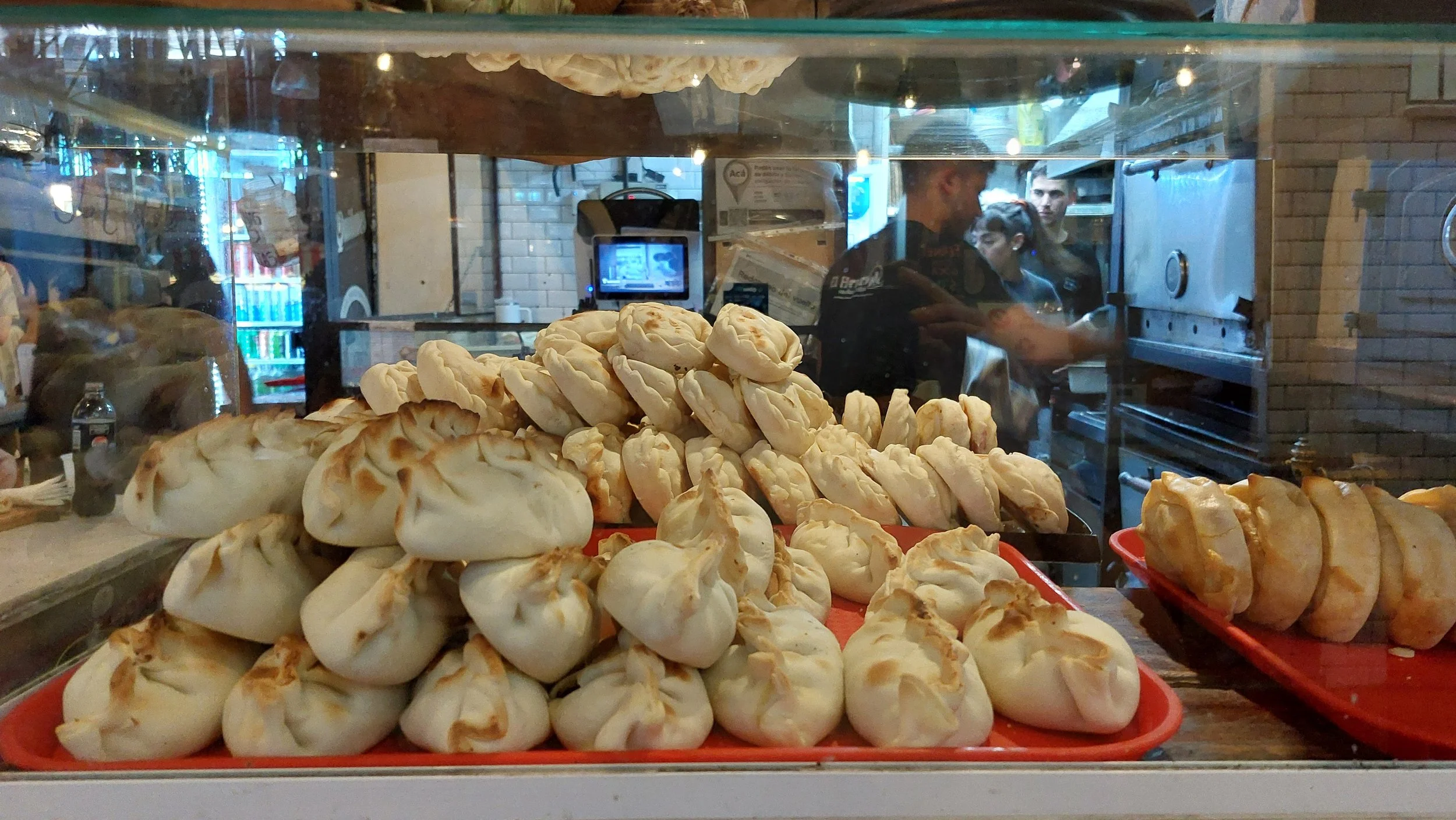
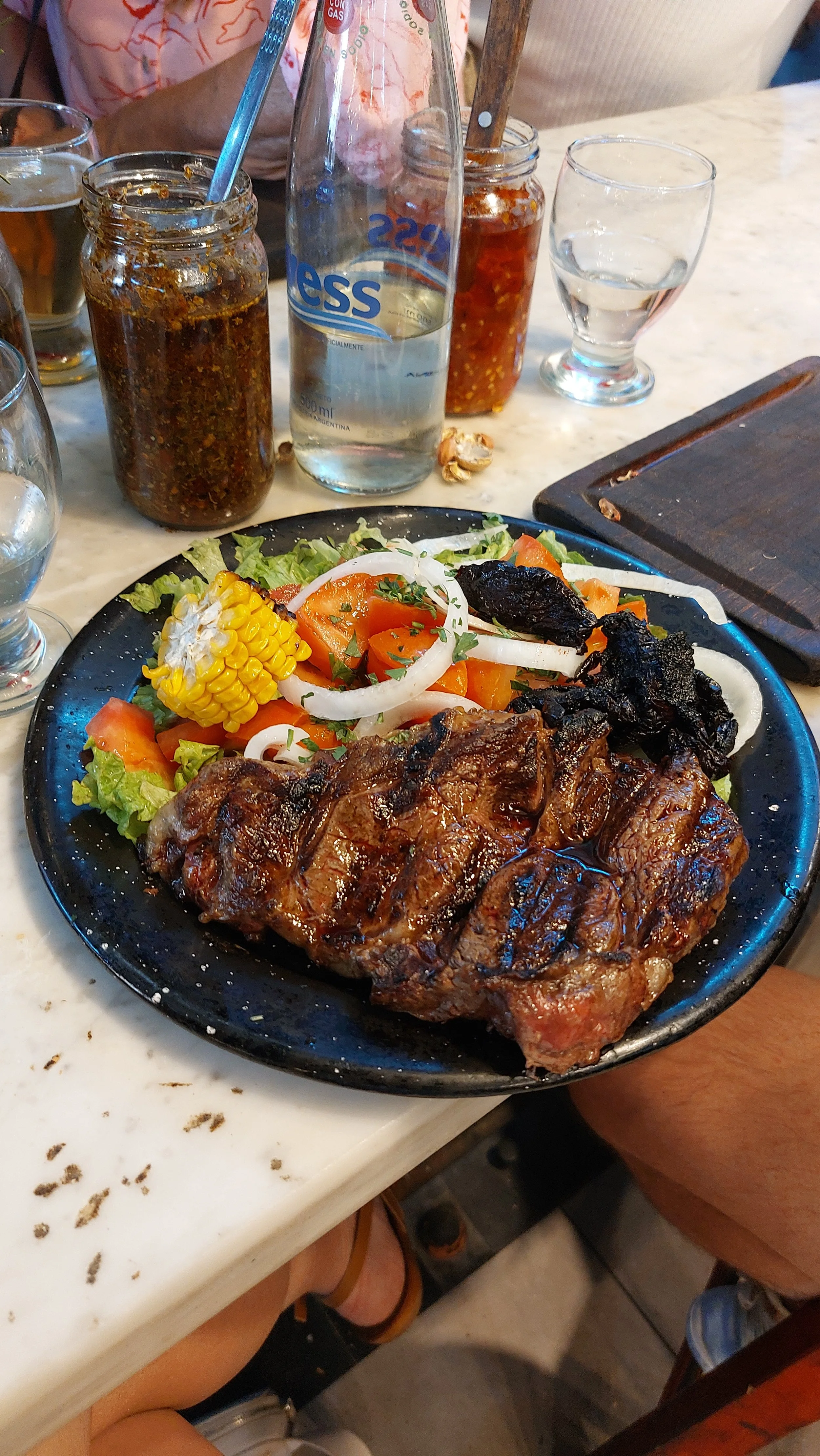
We landed on a place specializing in empanadas (we sampled 1) meat, 2) blue cheese (because me), and 3) onion, corn & cheese), one for Argentinian rib-eye steak, and a cafe that serves mate. Mate is a caffeinated, infused herbal drink that is extremely popular in Argentina and other neighbouring countries. People here don’t invite you out for coffee but mate. It has a very specific preparation process, which our server was kind enough to talk us through. As I’m not much of a tea drinker, Dave was spearheading this particular culinary adventure. Similar to other hot beverages, I found it to be quite bitter—definitely an acquired taste! Thankfully, I had my blue cheese empanada to chase it down. There are few things I enjoy more than an afternoon of sampling foods and people watching, so I was a happy camper.
We eventually ventured outside to explore the outdoor market, stretching about 10 blocks. Stall upon stall of antiques, artisan jewelry and goods, and original art. Dave was scanning for watches, and I was resisting the temptation to buy more art pieces. He did very sweetly get me a pair of stud earrings in the shape of croissant breakfast sandwiches, which not only makes for a great souvenir but also is very on brand for me. It was a lovely day, sitting on outdoor patios, listening to musicians, and watching tango dancers.
Pasaje de la Defensa
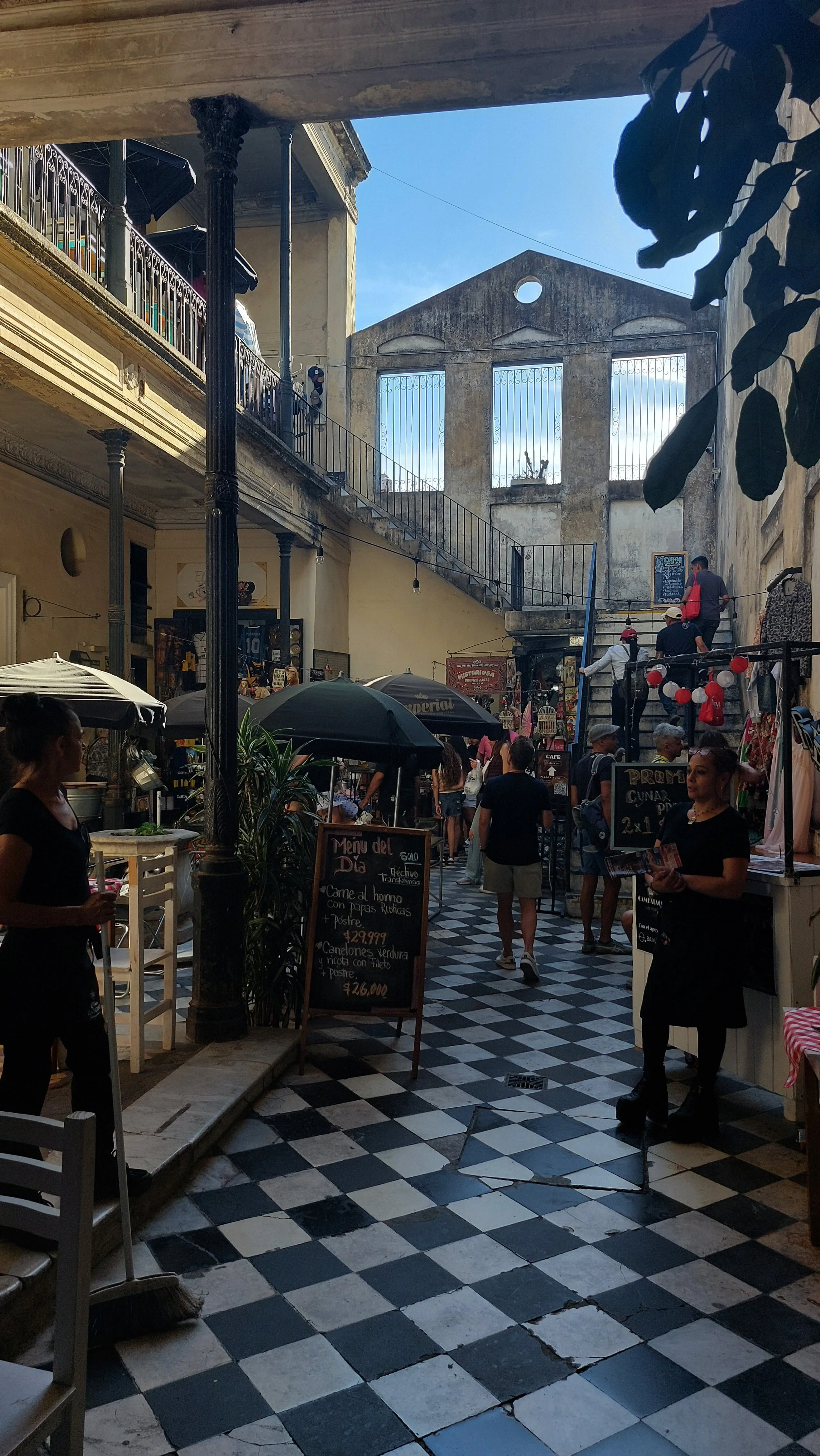
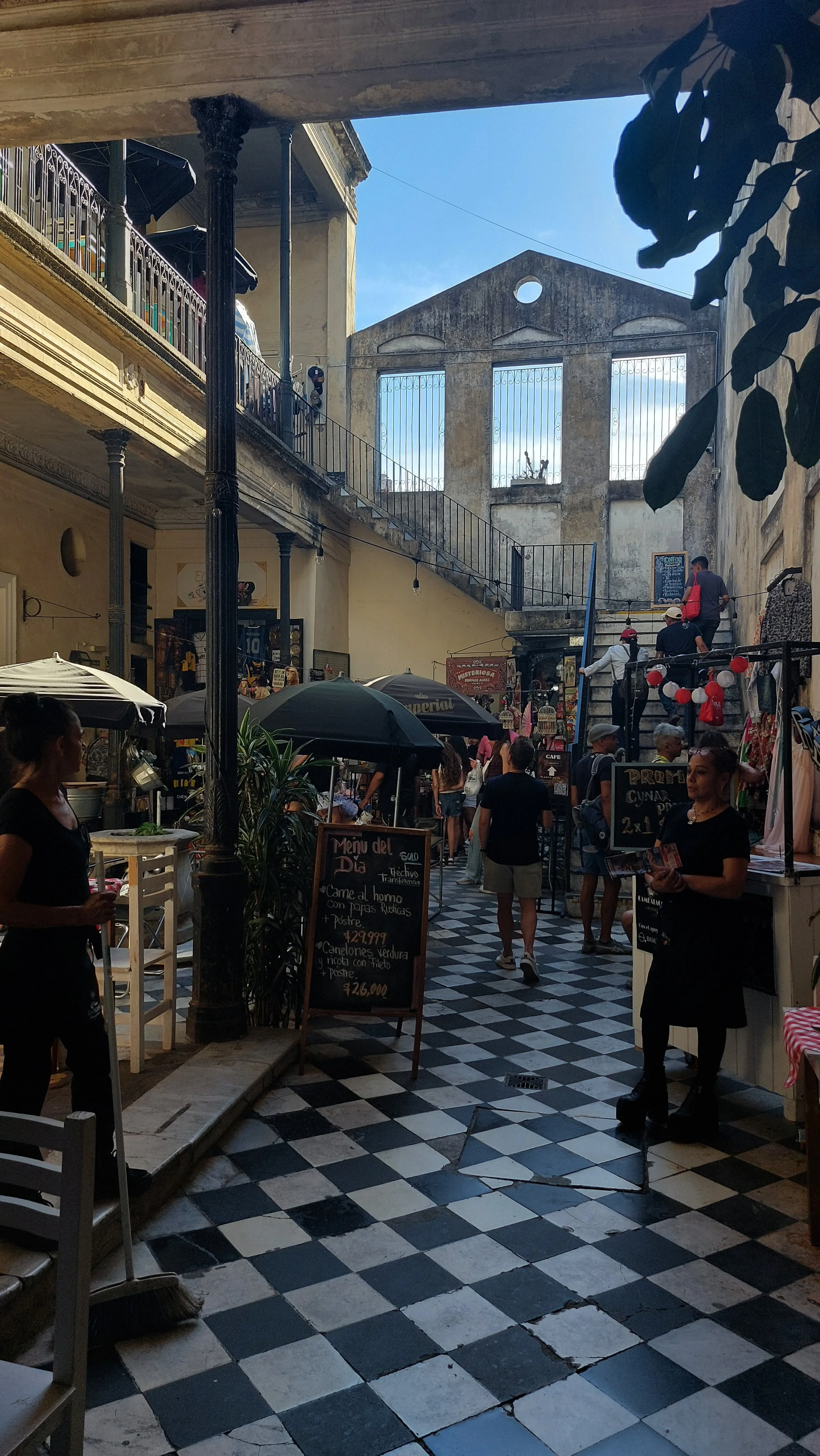
One of our favourite finds was coming across the Pasaje de la Defensa, a historic mansion built in the 1880s that was abandoned by its aristocratic family during the yellow fever epidemic and converted into a multi-family tenement home. It now houses antique shops and cafes. The space itself was enchanting, with its black-and-white checkered floors and open-air courtyard.
While we eventually headed elsewhere, we ultimately made our way back to San Telmo to spend our last night. We had first checked out Palermo Hollywood to find dinner, which surprisingly felt a bit dead. So we trekked back down to San Telmo and discovered it was where all the action was at—crowds of people spilled out of bars and restaurants, clusters of (rather inebriated) folk breaking out into spontaneous dancing and drumming. We enjoyed our bites and drinks with a side of people watching before making our way home.
The Birthplace of Tango
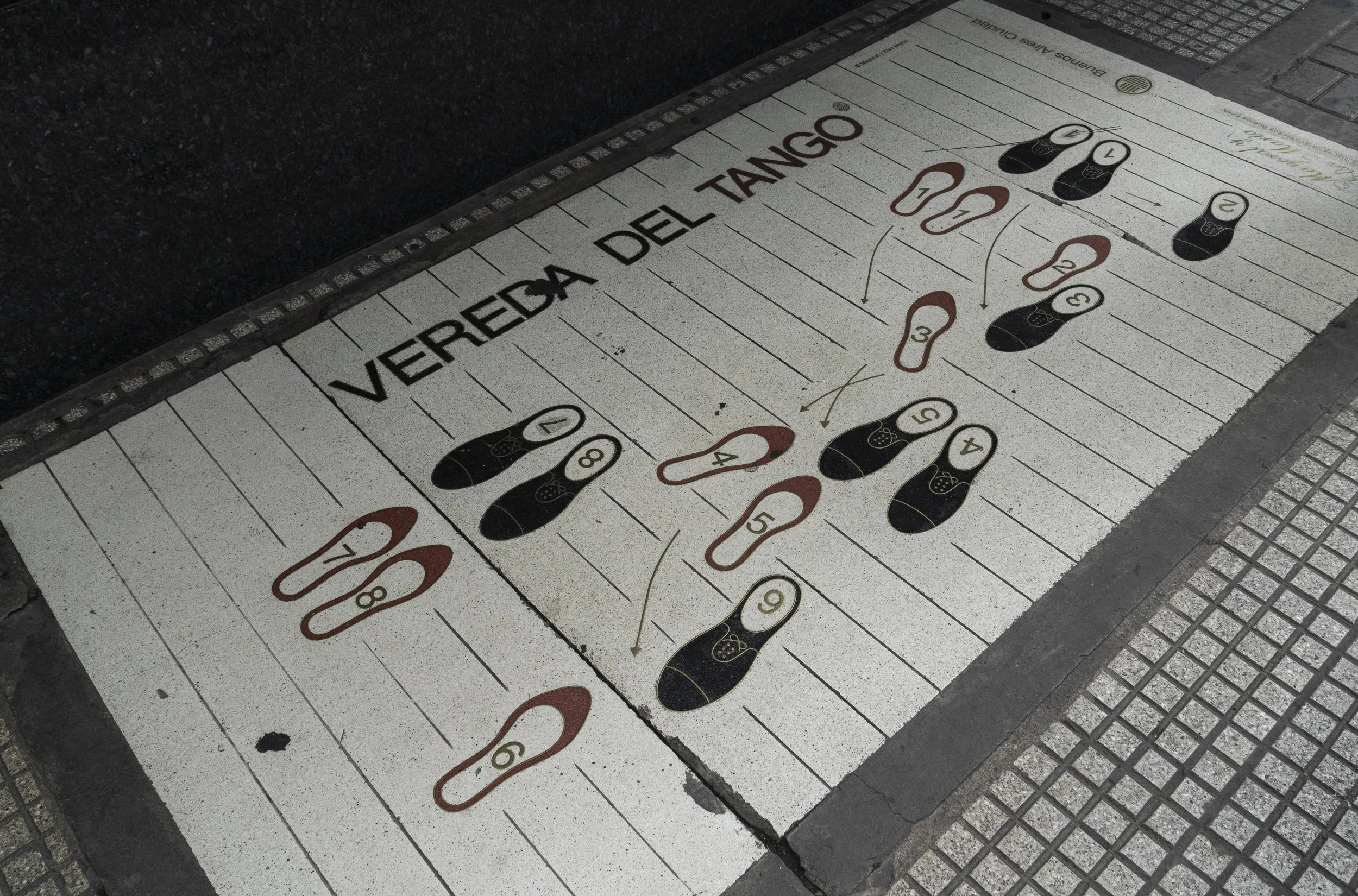
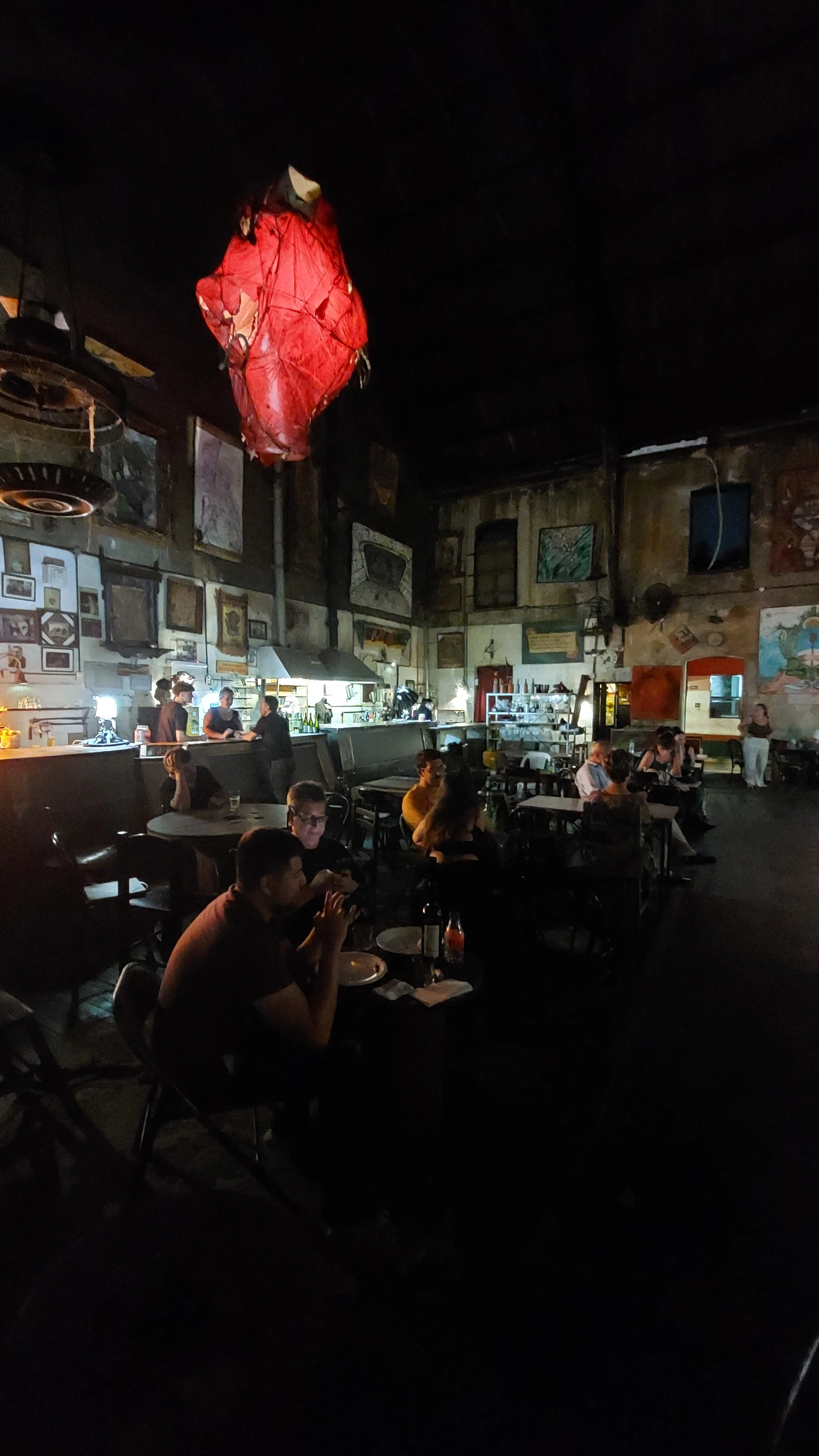
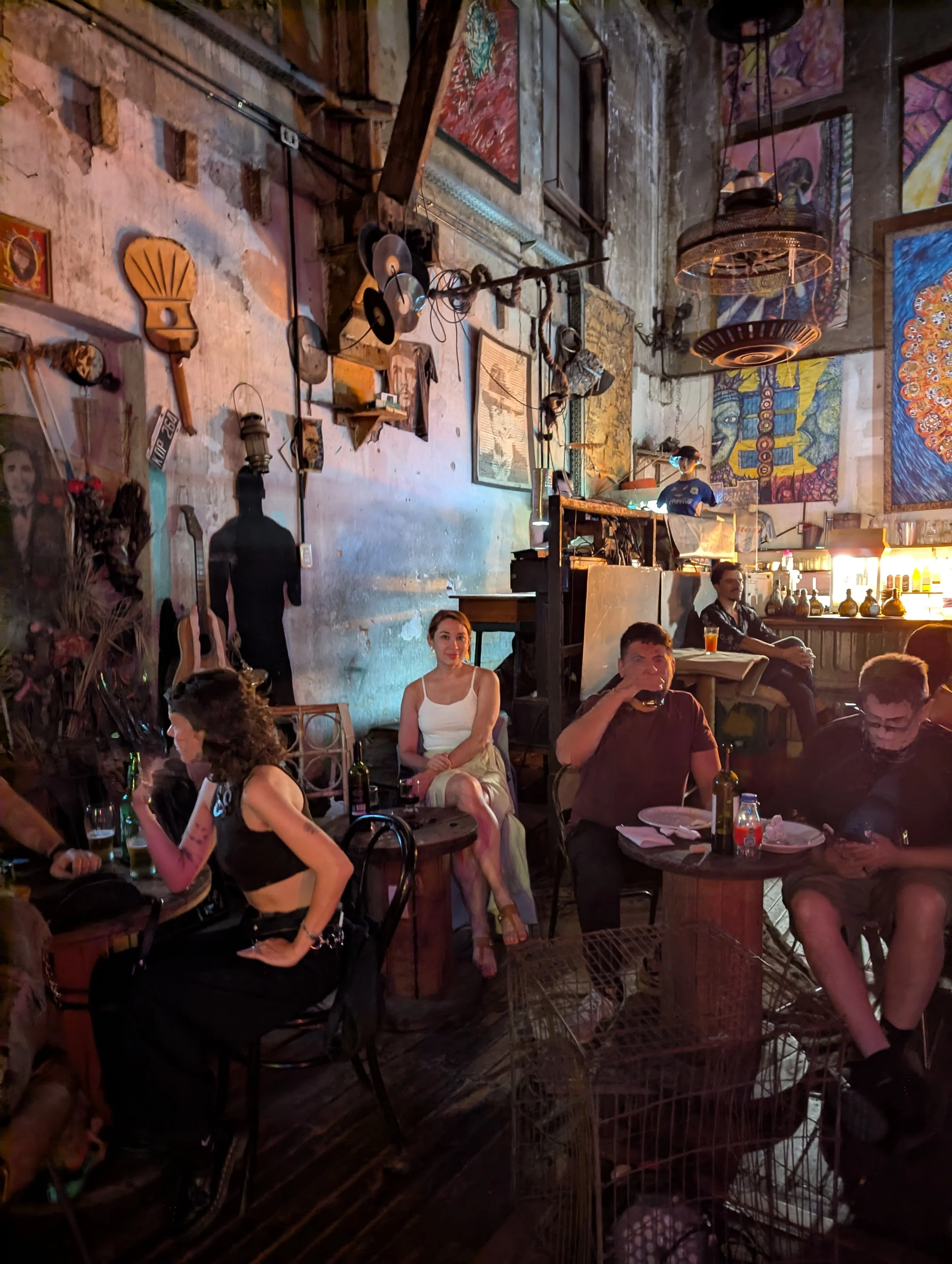
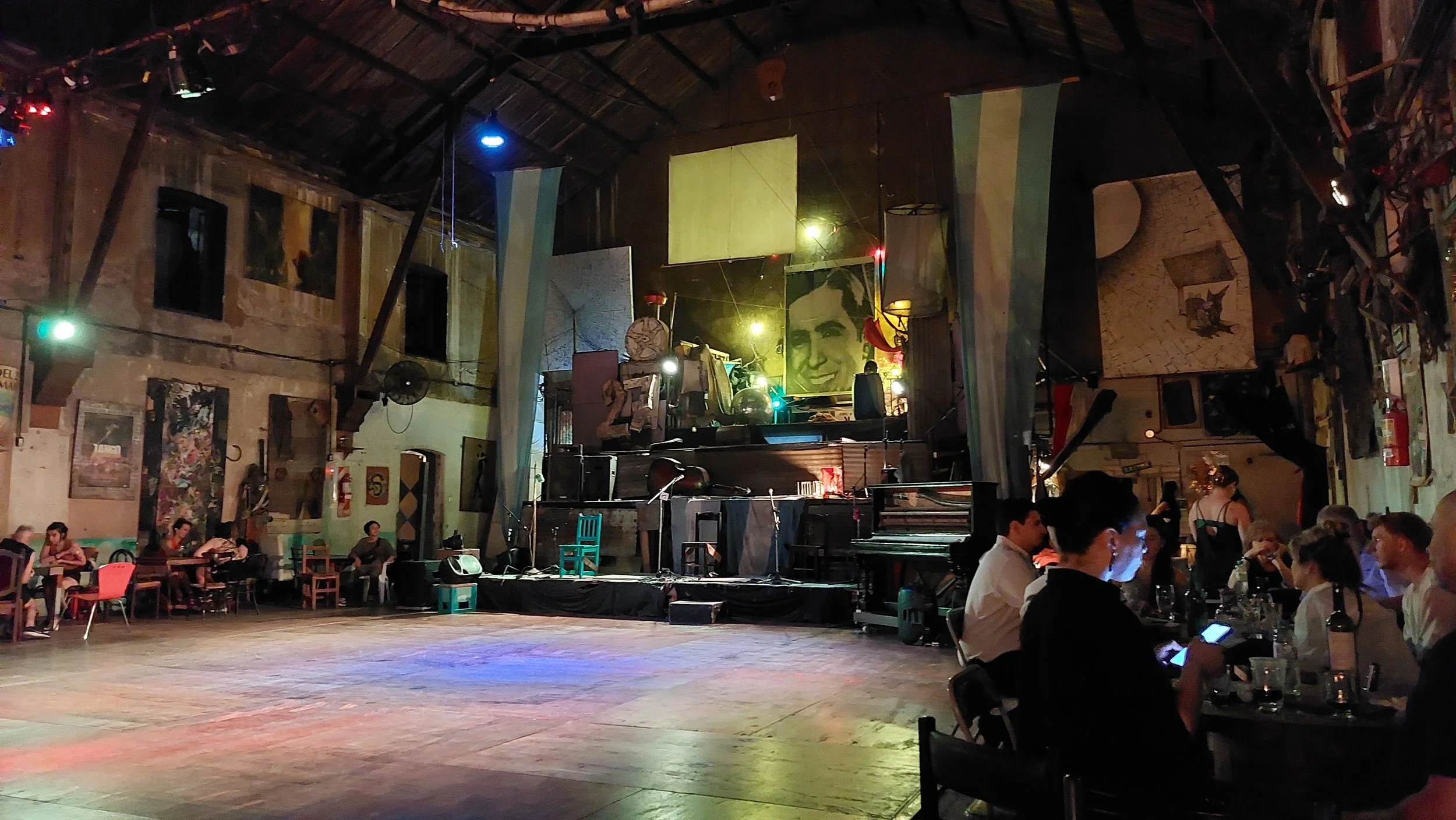
I was honestly fairly unfamiliar with Argentine tango, and naturally, the dancer in me was excited to be in a place so pervaded by dance. Tango is an improvisational partner dance, characterized by a very close, passionate embrace and intricate steps and flourishes. We had the opportunity to watch tango in a variety of settings. One of the coolest venues I think I’ve ever been in was La Catedral Club. This massive space felt like the very essence of a Bohemian style, with its found furniture and eclectic decor. We sadly were too late for the tango class but got ourselves a bottle of wine and stayed to watch the show. We assumed it’d be some kind of professional tango dancing performance, but it was largely music that essentially kicked off a milonga. This is a social dance event, where people come together to dance tango. Many on the dance floor were seasoned, and it was fascinating to watch a group with a shared dance vocabulary to have conversations with one another (how I wish I spoke the language!).
While in La Boca, many restaurants’ shtick was to have tango dancers out front to entice people in. And hey, it works! We were hot and looking to just sit and relax for a bit, and so the Caminito Tango Show was just the ticket. Accompanied by a guitarist, this pair of professional dancers moved around elegantly, and I sat lingering over our wine and flan, captivated by the dancing.
The best show we saw was held in Plaza Dorrego in San Telmo. It was a trio of individuals, an older gentleman and a couple. It was a simple set up, just a speaker and a phone, blaring what seemed to be old-timey tango music. While being passionate dancers, they were also true performers, working the crowd and getting their participation. At one point, they went around asking where audience members were from (Colombia! Mexico! Greece! The list went on), and they then brought them up to do a folk dance from their country. This just made me sad to realize that Canada really doesn’t have our own folk dance, that everyone just collectively knows. Nonetheless, I had my fill of tango dancing in all different venues—next time, I give it a try!